
Nov 26, 5:00 AM
FCC Approves SpaceX Plan to Deploy Up to One Million Satellites for Space Data Centers
The regulatory clearance allows the company to build its Starmind constellation in orbit with launches scheduled to begin in 2027.
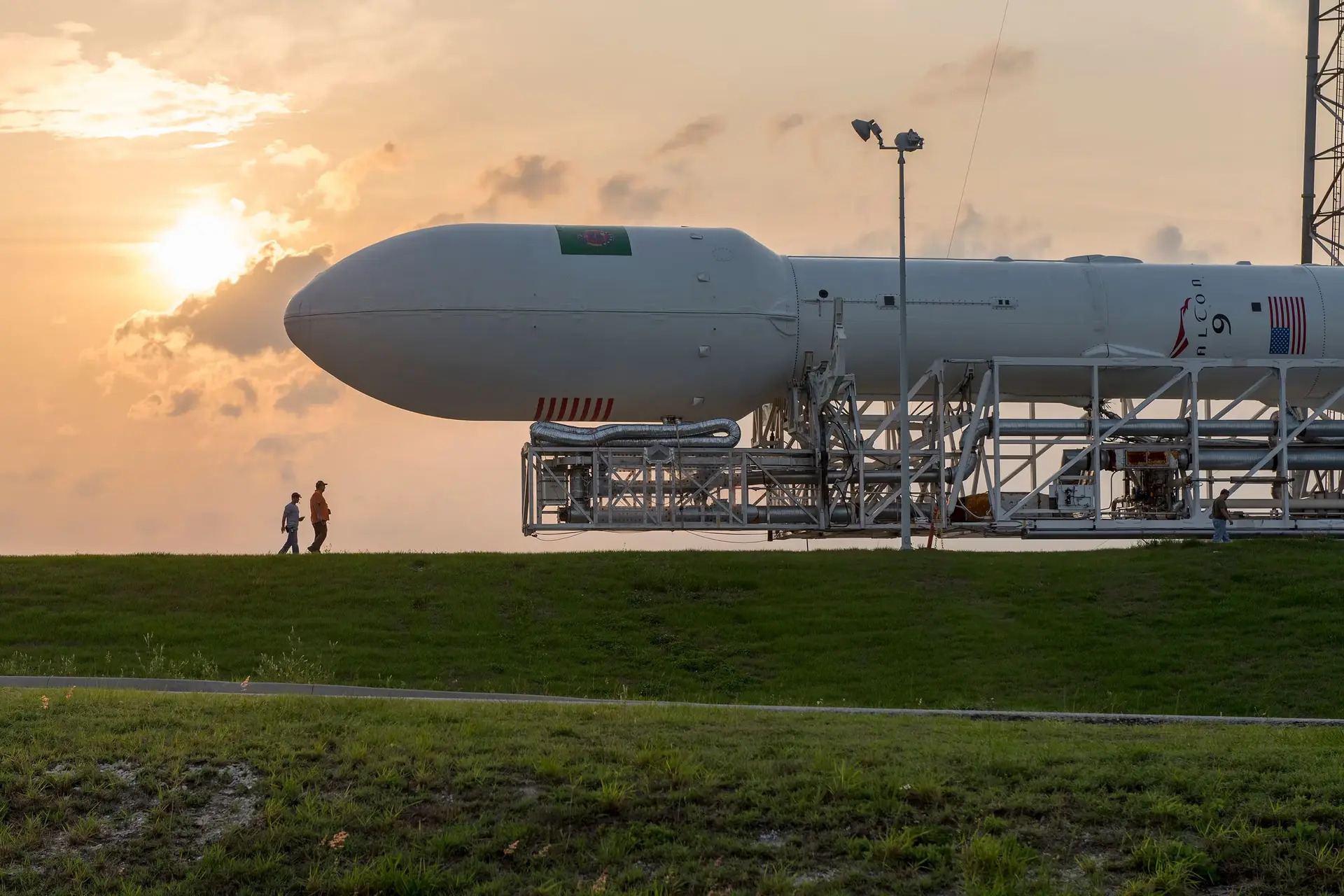
The United States Federal Communications Commission has granted regulatory approval to SpaceX to launch up to one million satellites designed to operate space-based data centers. According to documentation published on the regulatory agency's website on Wednesday, the license for the project, named Starmind, remains valid until 2040.
SpaceX chief executive Elon Musk stated in August that the company plans to conduct its initial orbital launch for the initiative in the fourth quarter of 2027, with deployment scaling further in 2028. SpaceX has partnered with chipmaker Nvidia to equip the satellites with specialized Vera Rubin processors designed to function in space environments. The Starmind constellation is set to route computing data through SpaceX's existing Starlink satellite internet network, which will then relay information to ground stations on Earth.
Placing computational infrastructure into low Earth orbit offers potential operational benefits over terrestrial facilities. Satellites positioned in sun-synchronous orbits can continuously generate solar power, achieving up to eight times the energy efficiency of ground-based solar installations. While SpaceX intends to use Starlink for data relay, alternative projects under development aim to communicate directly with ground systems using optical laser links.
The FCC authorization places SpaceX alongside several major technology companies and startups developing orbital computing systems. Google is pursuing its own project, codenamed Suncatcher, and successfully tested a graphics processing unit in orbit in October. Blue Origin has submitted an application to the FCC for a constellation designated Project Sunrise, while startup Starcloud operated an advanced processor aboard a satellite in late 2025.
Despite regulatory advances and technical progress, industry observers emphasize that significant operational hurdles remain unresolved. Operating high-performance computing hardware in low Earth orbit requires processors to withstand elevated space radiation levels and extreme thermal conditions. Additionally, constellations of this scale face operational risks from space debris and potential impacts by micrometeorites.
Written by Martina Kirchner martina.kirchner@alpineweekly.com