
Nov 28, 11:01 AM
Contargo Installs Switzerland's Largest Container Crane at Basel Rhine Port
Logistics operators expand Rhine port infrastructure to handle growing container traffic despite declining energy imports.
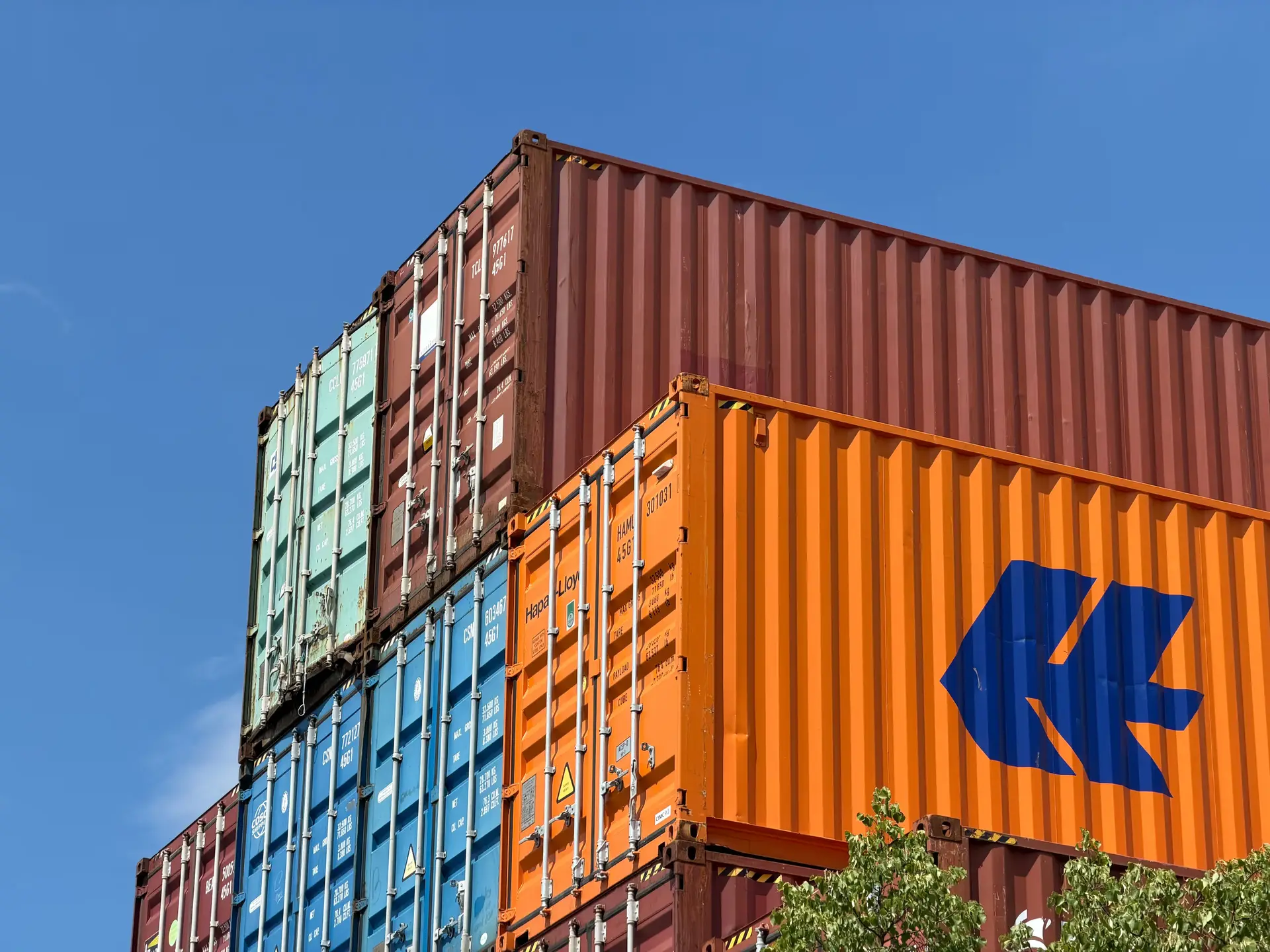
Logistics company Contargo is expanding its operations at the Rhine port in Basel by installing Switzerland's largest container crane. The structure stands 35 meters high and weighs nearly 700 tonnes, representing an investment in the high tens of millions of Swiss francs aimed at expanding freight capacity.
The new crane will operate alongside an existing unit that has been in service for over two decades. According to Contargo Managing Director Daniel Kaufmann, operating both cranes in parallel doubles the facility's handling capacity, allowing faster transfers of containers between river barges, rail cars, and trucks.
The expansion proceeds despite a decadal decline in total cargo moved along the Rhine. Since reaching a peak of 9.3 million tonnes in 1974, annual freight handling in Basel dropped to 4.7 million tonnes last year, primarily due to lower Swiss imports of coal and mineral oil during the ongoing energy transition.
While traditional energy shipments have decreased, containerized transport of consumer products such as electronics, appliances, and textiles has expanded. Overall, around ten percent of all Swiss imports and exports currently pass through the three Basel Rhine ports of Kleinhüningen, Birsfelden, and Muttenz.
Other logistics companies are also expanding their port infrastructure, including Rhenus Logistics, which built a new warehouse facility at the site. Rhenus Logistics Managing Director Lukas Curschellas noted that inland shipping remains exceptionally efficient, with one cargo vessel carrying 400 to 500 tonnes of freight replacing twenty trucks or ten rail cars.
Recent extreme weather conditions had temporarily disrupted river operations, as drought caused historic low water levels that halted barge traffic for months this summer. Water levels have since normalized, and logistics operators anticipate that containerized freight, including agricultural shipments like grain, will increasingly offset the decline in bulk fossil fuel imports.
Written by Freya Stensrud freya.stensrud@alpineweekly.com