Nov 12, 11:01 AM
China Rejects Nvidia Espionage Allegations and Accuses US of Tech Blockade
Beijing dismisses reports targeting chip executive Jensen Huang ahead of the upcoming APEC summit in Shenzhen
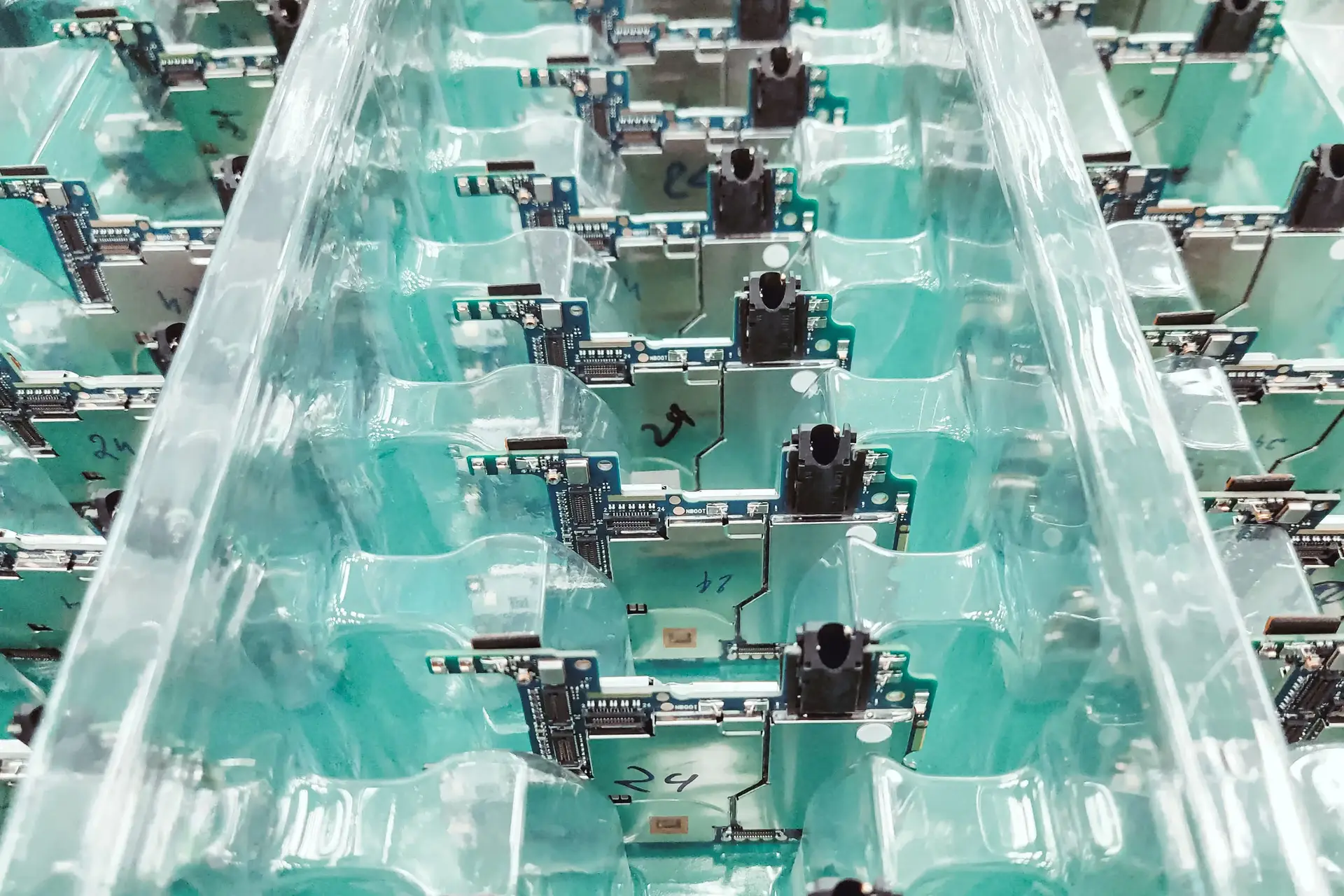
China's Foreign Ministry has rejected claims of an espionage operation targeting Nvidia Chief Executive Officer Jensen Huang, accusing Washington of fabricating spy narratives to justify restrictions on technology exports to Beijing. The statement follows recent reports in the United States alleging that the head of the American semiconductor company was the subject of a Chinese intelligence plot.
Speaking at a regular press briefing in Beijing, Foreign Ministry spokeswoman Mao Ning said that technological progress in China was driven by independent innovation and open cooperation. She called on American authorities to cease using security allegations as a pretext for imposing a technological blockade. The ministry further characterized the accusations surrounding Huang as groundless speculation aimed at smearing China.
The controversy centers on reports that Huang admitted to an extramarital affair with Alice Huang, a former executive at Singapore-based technology company Megaspeed. United States officials reportedly suspect Alice Huang of having worked on behalf of Chinese intelligence services. Nvidia, co-founded by Huang, is currently the primary global supplier of specialized microprocessors used to power artificial intelligence systems.
Huang has consistently advocated against restrictions on sales of advanced microchips to the Chinese market. Last year, US President Donald Trump authorized the export of Nvidia's H200 artificial intelligence chips to China, overriding objections from lawmakers in both major American parties who expressed concern over Beijing gaining an advantage in artificial intelligence development.
The diplomatic friction comes shortly before a scheduled bilateral meeting between President Trump and Chinese President Xi Jinping. The two leaders are set to meet next week on the sidelines of the Asia-Pacific Economic Cooperation summit in the southern Chinese city of Shenzhen, where trade relations and technology controls are expected to be key topics of discussion.
Written by Thomas Nussbaumer thomas.nussbaumer@alpineweekly.com