
Nov 11, 9:01 AM
China and Central Asian Nations Agree to Expand Flight Quotas and Routes
Bilateral accords reached in Tashkent raise weekly service limits and broaden regional air connectivity under the Air Silk Road framework.
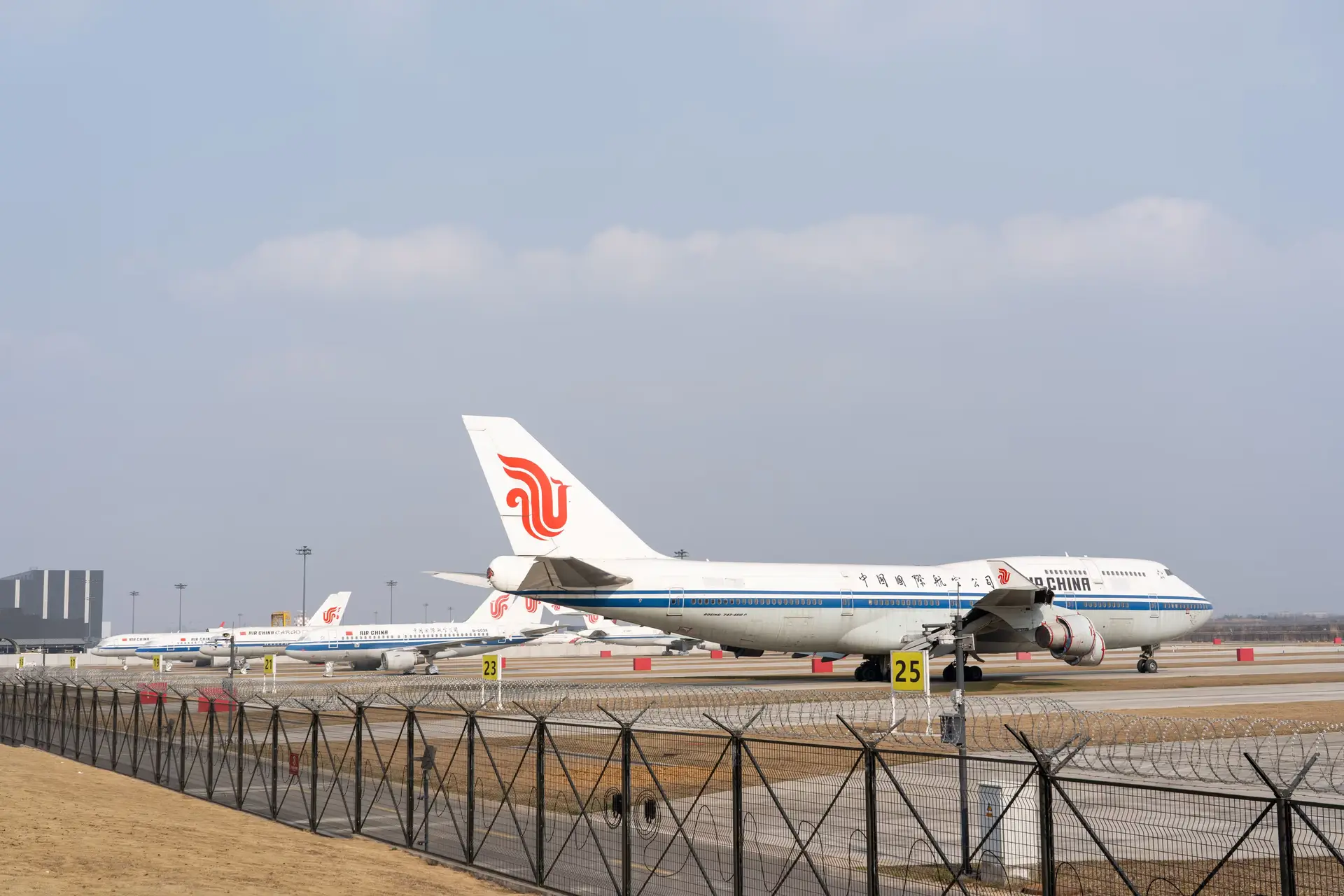
China, Uzbekistan, and Kazakhstan have agreed to expand flight allocations and open new regional air routes across Central Asia following negotiations in Tashkent. The bilateral and multilateral accords, finalized at the third meeting of the Central Asia–China Working Group on Civil Aviation Cooperation, establish higher weekly flight limits between the participating states and broaden destination access.
Under the newly negotiated terms, weekly flight limits between Uzbekistan and China will rise from 100 to 114. Kazakhstan secured an expansion allowing up to 180 weekly services to China, up from the previous limit of 150. Kazakh carriers were also granted authorization to operate flights to Chengdu and Kashgar alongside established destinations such as Beijing and Shanghai. Saltanat Tompiyeva, Chair of Kazakhstan's Civil Aviation Committee, stated that Kazakh airlines intend to expand operations into secondary Chinese cities beyond the main national hubs.
Air connections within Central Asia were also expanded during the summit. Uzbekistan and Kazakhstan agreed to raise maximum flight frequencies between Tashkent and the Kazakh cities of Almaty and Astana from 42 to 60 weekly services on each route. Permitted frequencies on secondary routes connecting the two neighboring nations will increase from 14 to 20 flights per week. According to Kazakhstan's Civil Aviation Committee, the quota expansion aims to accommodate rising passenger traffic between the two states.
The expansion forms part of the Air Silk Road initiative, which originated from a January 2024 agreement between Uzbekistan's Ministry of Transport and the Civil Aviation Administration of China. Jamoliddin Nazarov, Head of the Air Transport Department at the Uzbek Ministry of Transport, stated that Tashkent intends to position its airports as transfer points for travelers moving between China, Central Asia, and Europe. Kyrgyzstan also participated in the broader regional effort, having signed a memorandum with China in 2024. Qanat Tologonov, Deputy Director of Kyrgyzstan's State Civil Aviation Agency, reported that joint work with Chinese aviation authorities led to the opening of a new air corridor in 2025. In April 2026, Chengdu Airlines initiated a weekly service between Kashgar and Osh utilizing Chinese-manufactured C909 aircraft.
Private air carriers are concurrently increasing intra-regional traffic, though operational expenses remain a key factor. Vietjet Qazaqstan introduced direct connections linking Astana with Bishkek and Samarkand in November 2025, subsequently adding frequencies on both routes in early 2026. Adilbek Umraliyev, Chief Executive of Vietjet Qazaqstan, identified further growth options in regional destinations such as Bukhara, citing tourism potential. However, Umraliyev stated that elevated fuel prices and rising airport fees have driven up operational expenditures, calling for increased coordination between civil aviation regulators and airlines. Tologonov observed that sustainable routes to smaller regional locations depend on adequate passenger demand, commercial activity, and local economic volume.
Written by Sandy van Dongen sandy.vandongen@alpineweekly.com