Oct 21, 8:01 PM
Canada’s LNG Ambitions Meet the Friction of Global Energy Politics
Ottawa's push for massive natural gas exports exposes the awkward compromises behind corporate mega-projects.
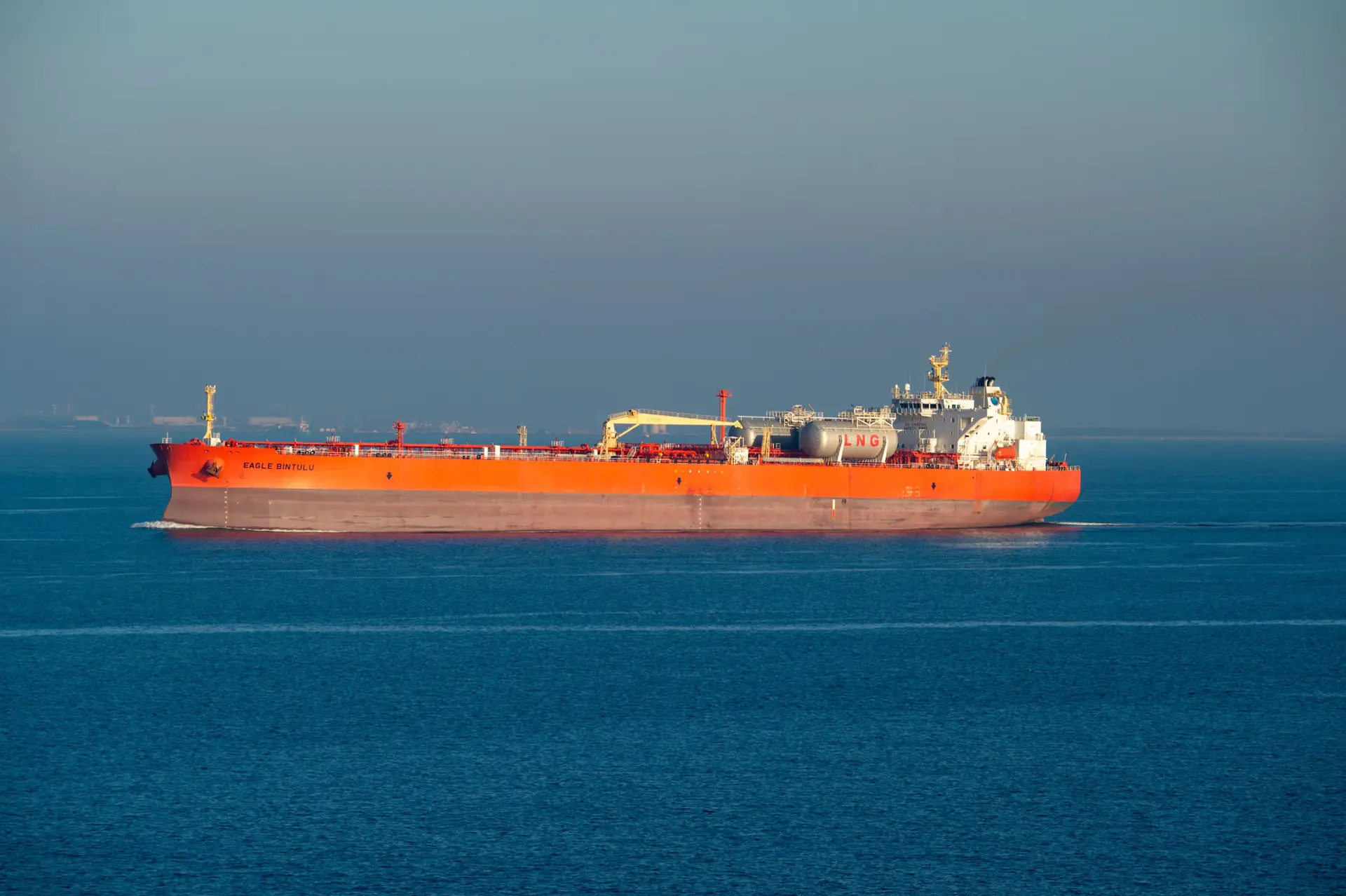
Canada’s ambitious bid to position itself as a global champion of liquefied natural gas (LNG) is running into the thorny reality of international energy markets and local governance disputes. Ottawa’s drive for clean-burning export expansion depends heavily on global energy conglomerates whose operational records and geopolitical entanglements are attracting fierce scrutiny.
At the center of this push is the massive LNG Canada facility in British Columbia. Owned by a consortium comprising Shell, Petronas, Korea Gas, PetroChina, and Mitsubishi, the plant has stumbled early. Since commissioning began in early 2025, technical trouble linked to an equipment integrity issue forced the plant to flare over 350 million cubic metres of gas in its first year alone, catapulting it among the world’s top flaring emission sites. Local communities only learned of the malfunction through media reporting after operations had already commenced.
Yet expansion plans move forward. To feed the terminal, TC Energy constructed the 670-kilometre Coastal GasLink pipeline across Wet’suwet’en territories—a project that sparked widespread protests in 2020 because it lacked the consent of the nation’s Hereditary Chiefs. Private equity giant KKR, which holds a majority stake in the pipeline, is now vying to purchase Shell’s shares in LNG Canada while plans proceed to build compressor stations that would double the line's transport capacity.
Meanwhile, a second major project, Ksi Lisims LNG, has lined up long-term supply agreements. Both Shell and French multinational TotalEnergies signed deals to purchase two million tonnes of LNG annually from the facility. TotalEnergies also acquired a five percent stake in Texas-based parent company Western LNG. The terminal is slated to receive gas via the 800-kilometre Prince Rupert Gas Transmission pipeline, co-owned by the Nisga’a Lisims government, though several neighboring First Nations assert they were never properly consulted.
For critics, the reliance on mega-multinationally backed ventures exposes a troubling gulf between corporate branding and operational reality. Shell points to local criminal gangs and oil theft in Nigeria to explain its legacy of spills there, while TotalEnergies faces legal complaints in France concerning its activities in Mozambique.
Building mega-infrastructure on contested territory with multinational partners always brings a calculation. Whether Canada’s energy ambitions can withstand the reputational and environmental friction remains an open query for investors and policymakers alike.
Written by Christiane Hofreiter christiane.hofreiter@alpineweekly.com