Nov 11, 5:01 PM
Agricultural Destruction in Lebanon Reduces Wheat Cultivation, Study Shows
Research indicates that 24 percent of cropland has been left fallow due to military operations in the south and the Bekaa Valley.
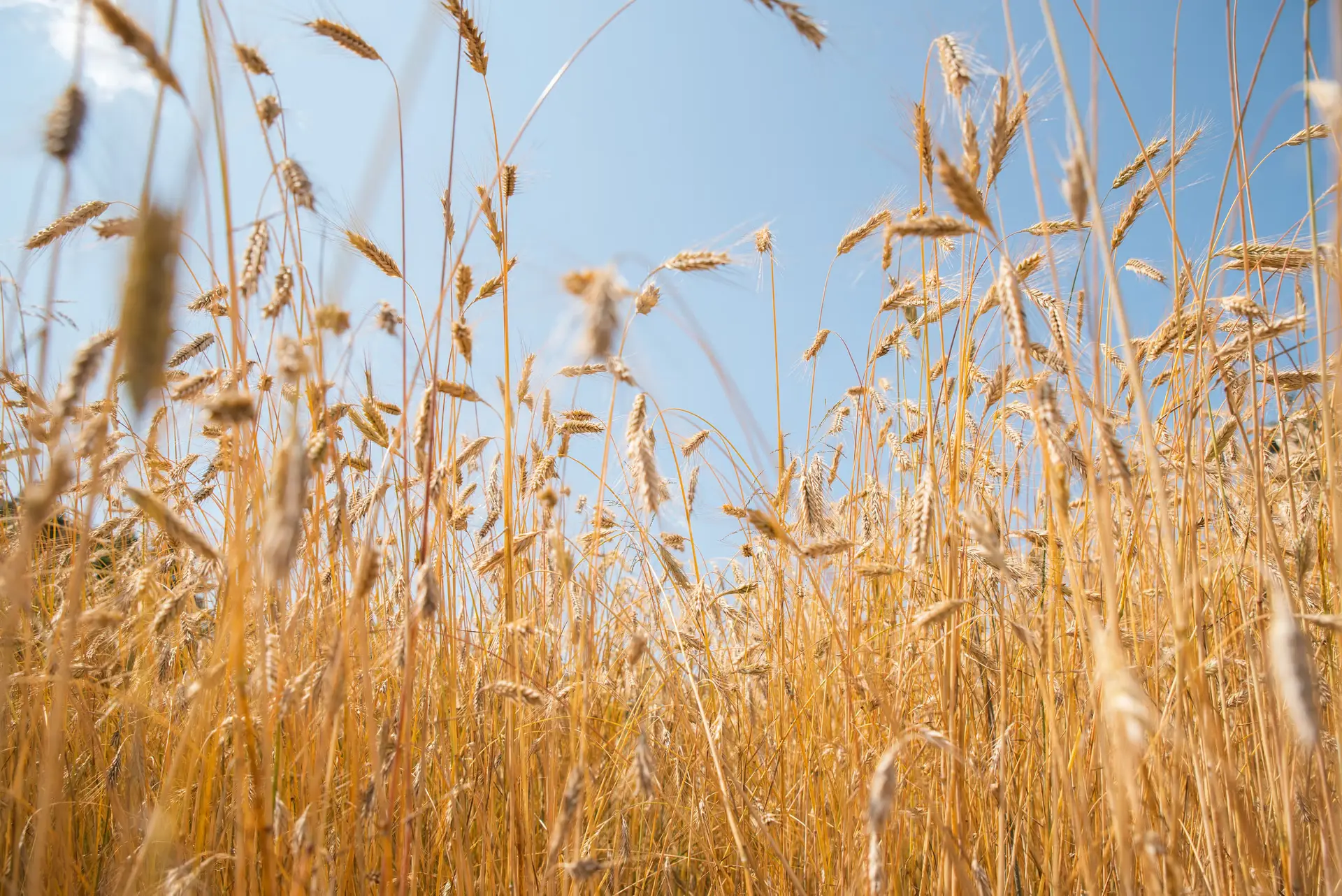
Military operations in southern and eastern Lebanon have caused extensive damage to agricultural land, causing the proportion of uncultivated farmland to rise from 9 percent to 24 percent, according to a recent study by Lebanon’s National Council for Scientific Research (CNRS-L). The loss of arable land has particularly affected wheat-growing regions in the south of the country and the eastern Bekaa Valley.
According to data compiled by CNRS-L researcher Mariam Ibrahim, the Bekaa plain accounts for approximately 64 percent of national wheat output. The region saw its wheat-growing area drop by 43 percent in the 2023–2024 season and by 57 percent during the 2024–2025 season. In southern Lebanon, losses reached 47 percent and 61 percent over the same two periods. In localized areas such as the southern border town of Bint Jbeil, 100 percent of cropland was reported destroyed, while the eastern district of Baalbeck saw roughly 32 percent of its agricultural land affected.
The decline follows a period of expanded domestic production. Following the outbreak of the war in Ukraine in 2022, global grain prices rose and the depreciation of the Lebanese pound prompted local farmers to expand wheat cultivation, reaching a peak during the 2022–2023 season. Subsequent fighting, including reported uses of incendiary chemicals such as white phosphorus, led to widespread land abandonment and structural damage to rural infrastructure.
Elias Ghadban, a food security analyst at the consultancy AgriDev, stated that while the local damage has not severely disrupted grain availability at the national level, it has severely affected small-scale farmers in the south who rely on seasonal crops for income. Academic researcher Munira Khayyat pointed to long-term risks, stating that physical destruction of soil and vegetation threatens to accelerate land degradation and desertification.
The military conflict in the region escalated further in March following mutual attacks between Israel and Hezbollah, which took place despite a ceasefire framework established in 2024 by France and the United States. A subsequent framework agreement signed in June aimed to establish pilot zones for the deployment of the Lebanese Armed Forces, though destruction of agricultural infrastructure continued. The source text does not contain a response or statement from the Israeli military regarding the reported damage to Lebanese farmlands.
Written by Andreas Hofer andreas.hofer@alpineweekly.com