Can Europe Cut Its Reliance on Visa and Mastercard? Digital Euro Talks Stall in Parliament
Lawmakers struggle to agree on ECB-backed project as political divisions threaten to narrow its scope
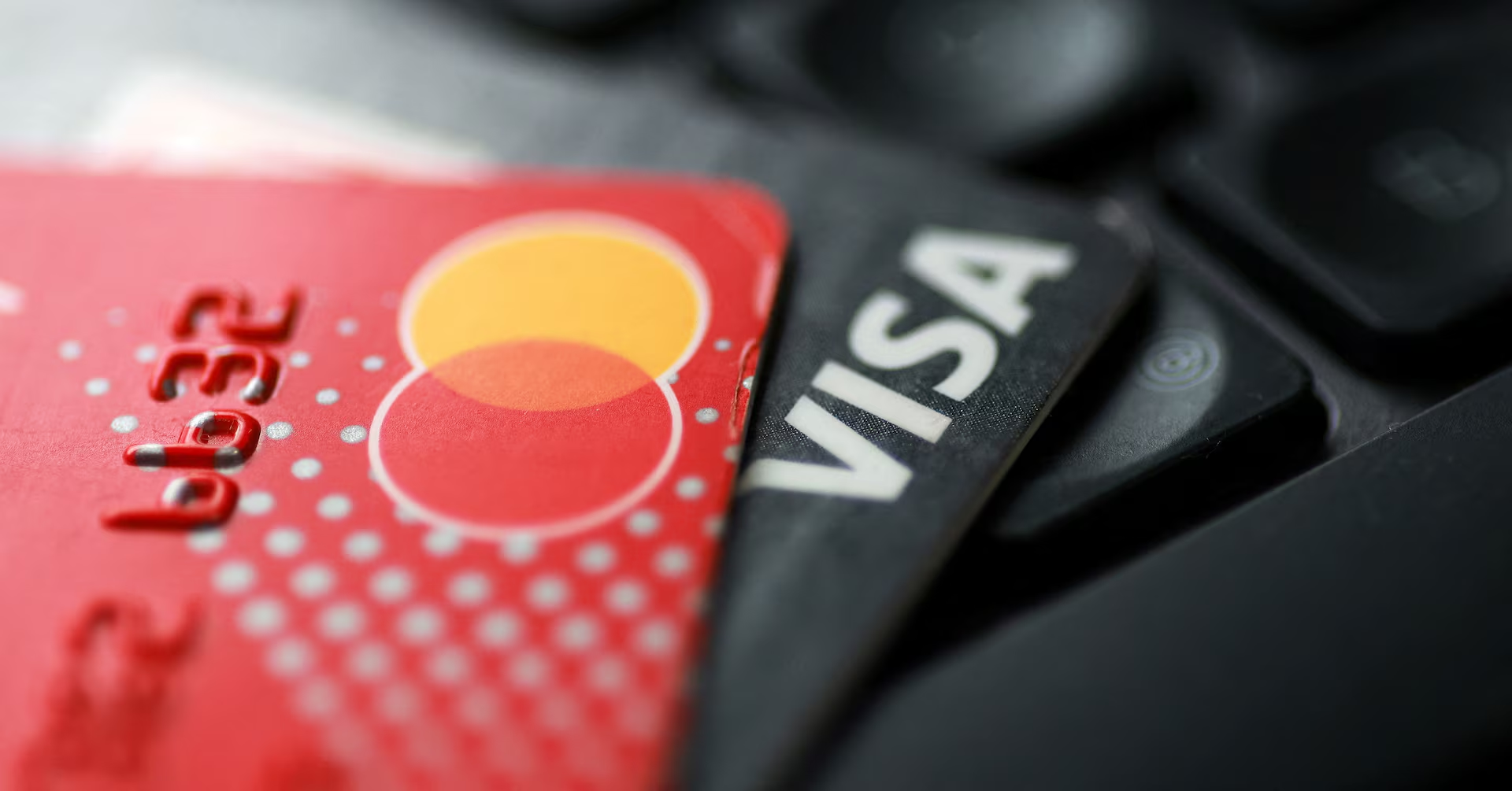
Pushing the EU’s digital euro forward has hit yet another political snag, and suddenly everyone’s asking: can Europe actually break free from the grip of US payment titans like Visa and Mastercard.
Right now, discussions in the European Parliament have ground to a halt. The reason. Fernando Navarrete Rojas, the lead rapporteur,has unexpectedly teamed up with far-right factions, throwing a wrench into efforts to cobble together broad support for the draft bill. This digital euro initiative, which sits squarely on the ECB’s agenda, is supposed to introduce an electronic version of public money, something meant to sit alongside cash and work in tandem with private banks.
According to what Brussels first envisioned, this new currency would be usable whether you’re online or offline. But here’s where things get sticky: Navarrete is doubling down on a model that works offline only,a move his critics say would dramatically shrink what the project could achieve and even undermine its whole strategic rationale.
As rapporteur, he’s supposed to guide negotiations and stitch together consensus across party lines (easier said than done). Yet insiders say his latest attempt at compromise includes changes that are simply nonstarters for those who want to see the Commission’s more expansive plan realized.. This impasse really came into focus during a particularly fraught meeting earlier this week; lawmakers basically admitted they were stuck in neutral, the text “going nowhere,” as several put it.
So that tentative May vote. Probably slipping further down the calendar now. And let’s not kid ourselves: timing couldn’t be touchier politically. Member states already hammered out their position at Council level,but without Parliament signing off, there’s no green light for trilogue talks.. Why all this urgency around a central bank digital currency anyway.
Look closer, it has everything to do with mounting economic friction between Europe and Washington. Visa and Mastercard aren’t just players; they’re running most of Europe’s card payments show right now. In fact, ECB figures reveal these two American giants handle 61% of card transactions across the EU,and nearly every cross-border swipe goes through them. Backers of a digital euro claim launching state-backed e-money would bolster Europe’s financial independence while finally giving ordinary people direct access to public funds digitally (right now that's only possible with physical cash). Germany's Vice-Chancellor Lars Klingbeil hasn’t been shy about calling for movement, he warns dragging feet could seriously dent Europe’s competitive edge globally.
For their part, German members within the European People's Party seem generally on board,even if some internal rifts remain unresolved. Meanwhile advocacy groups warn that current compromises risk gutting much of what makes this project worth pursuing in the first place. Laura Casonato from Positive Money Europe points out there are positive steps toward privacy protections and sovereignty baked into parts of the draft, but she questions whether Navarrete is truly prepared to embrace Brussels’ broader aims. Strip away all these technical arguments though,and you find something bigger simmering beneath it all: fundamental questions about how much control Europeans will have over their economy, personal data privacy stakes, and ultimately what “public money” should look like in our increasingly digitized world. For now.
That grand vision of building an authentically European alternative to Visa or Mastercard remains mired in parliamentary gridlock, with no clear endgame on offer yet.
Written by Freya Stensrud