Aug 2, 4:01 PM
The Lucrative Business of Being Completely Alone
A new breed of content creators is monetising the mundane reality of friendlessness, proving that even radical isolation has a market value.
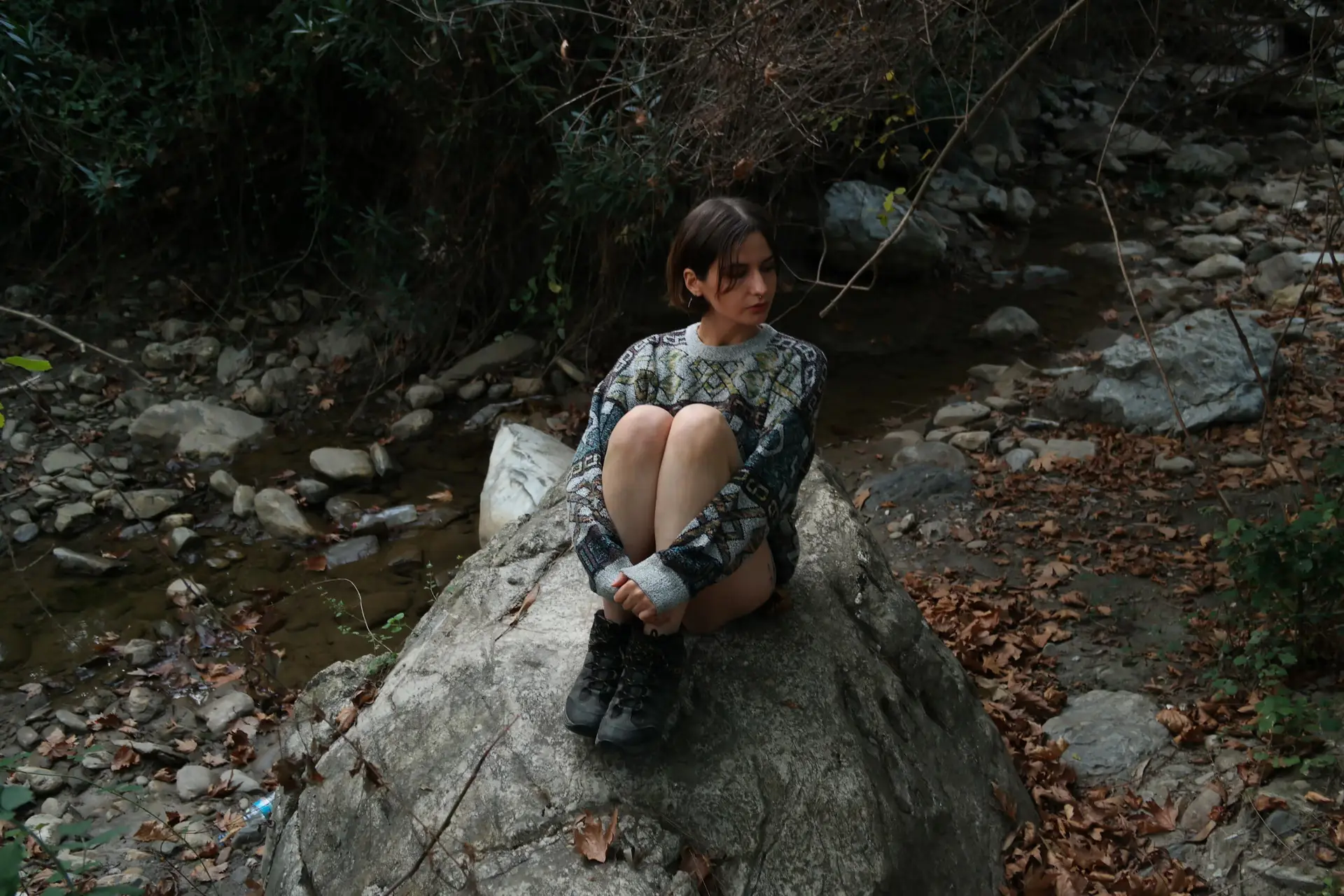
The digital attention economy has discovered a curious new commodity: the evening routine of a woman with absolutely no friends. While the traditional influencer peddles unattainable luxury, a rising cohort of content creators is successfully marketing the mundane reality of solitary living.
Take Lana Isa, a software sales manager based in Toronto. She transformed the quiet act of eating a frozen pizza alone in her apartment into viral gold, capturing seven million views on a single TikTok video. By openly branding herself as a single, childfree woman without a social circle, she tapped into a vast, unserved demographic. Within eight months, her audience surged from a negligible baseline to over 175,000 followers, eventually nearing the 400,000 mark across platforms. The product being sold is not aspiration, but validation.
The trend extends across borders. In Arizona, Devon Noehring broadcasts her introverted weekends spent with her dog, while in the United Kingdom, SJ Hoadley chronicles her independent life after leaving an abusive relationship. Predictably, this niche has attracted moral panic. Critics have rushed to label these women loneliness influencers, accusing them of romanticising isolation and fostering a culture of defeatism. Yet, the creators themselves reject the victim narrative. They argue that their content celebrates self-reliance and the freedom of operating entirely on one's own terms, distinct from the stigma usually attached to solitude.
Epidemiologists naturally view chronic isolation as a public health issue. Melody Ding of the University of Sydney points out that while solitary living can be framed as an appealing aesthetic, humans remain fundamentally driven by social connection, and intense isolation carries inherent health risks. However, the success of this content speaks to a different kind of deficit. According to Anne Oeldorf-Hirsch from the University of Connecticut, audiences are simply exhausted by the relentless perfection of traditional social media and are rewarding creators who offer a starkly unvarnished reality.
The ultimate irony of the solo-living trend is its trajectory. By broadcasting their friendless existence to millions, these creators have built massive virtual communities. The digital validation has reportedly given them the confidence to seek out real-world social bonds, with several expressing a desire to organise meet-ups or cultivate new friendships. It seems that even the most dedicated practitioners of radical independence eventually use their digital capital to re-enter the social market.
Written by Freya Stensrud freya.stensrud@alpineweekly.com