Nov 25, 1:02 PM
Robot Pianist TeoTronico Challenges Human Musicians in Global Stage Duels
Performances between a 53-fingered automated system and concert pianist Roberto Prosseda highlight contrasting views on technical precision and emotional interpretation.
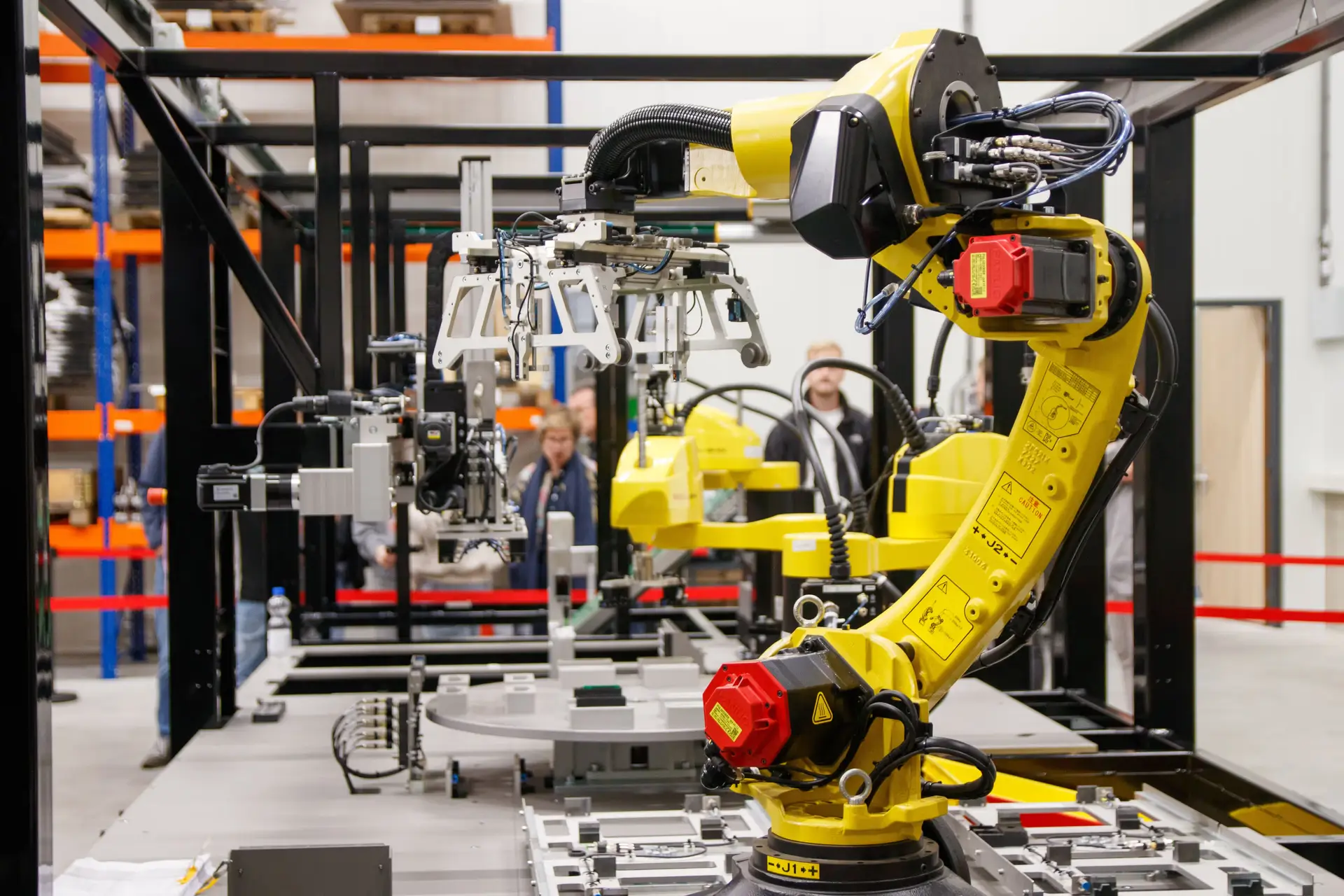
Concert pianist Roberto Prosseda and a 53-fingered robotic pianist named TeoTronico are holding musical duels on international stages, bringing the distinction between mechanical precision and human interpretation into focus. The automated performer uses digital scores and artificial intelligence to deliver error-free renditions of classical masterworks.
Developed in 2008 by Italian electronics engineer Matteo Suzzi, TeoTronico has evolved from an engineering project into a specialized musical system. Its 53 mechanical fingers are actuated by a combination of cables, pistons, and electromagnets. The machine reads standard MIDI files transmitted from a computer host, allowing it to execute complex keyboard works by composers including Johann Sebastian Bach, Wolfgang Amadeus Mozart, Ludwig van Beethoven, and Frédéric Chopin. Technical upgrades include integration with Google's Gemini artificial intelligence model, enabling the robot to carry out unscripted verbal exchanges with interviewers and audience members.
During their joint appearances, Prosseda argues that flawless technical execution constitutes only a portion of musical artistry. The pianist stated that machine execution lacks the emotional communication that occurs between a live artist and a concert audience. Prosseda noted a growing trend among students at high-level music academies to emulate machine accuracy by prioritizing total error avoidance over emotional expression. He warned that this focus on absolute perfection risks diminishing the human elements and individual nuances that define artistic performance.
TeoTronico defends its performance style during stage presentations, asserting that complete technical accuracy and exact timing offer a faithful representation of the composer's written score. Suzzi stated that the capabilities of the robotic system will continue to expand alongside developments in software tools. According to the engineer, future iterations will incorporate real-time input analysis, allowing the robot to adjust its playing style and improvise by evaluating the facial expressions and vocal tones of listeners.
Written by Freya Stensrud freya.stensrud@alpineweekly.com