Aug 30, 10:01 AM
The Unforgiving Currents of Waste
Geography exposes the futility of treating regional toxic fallout as someone else's problem
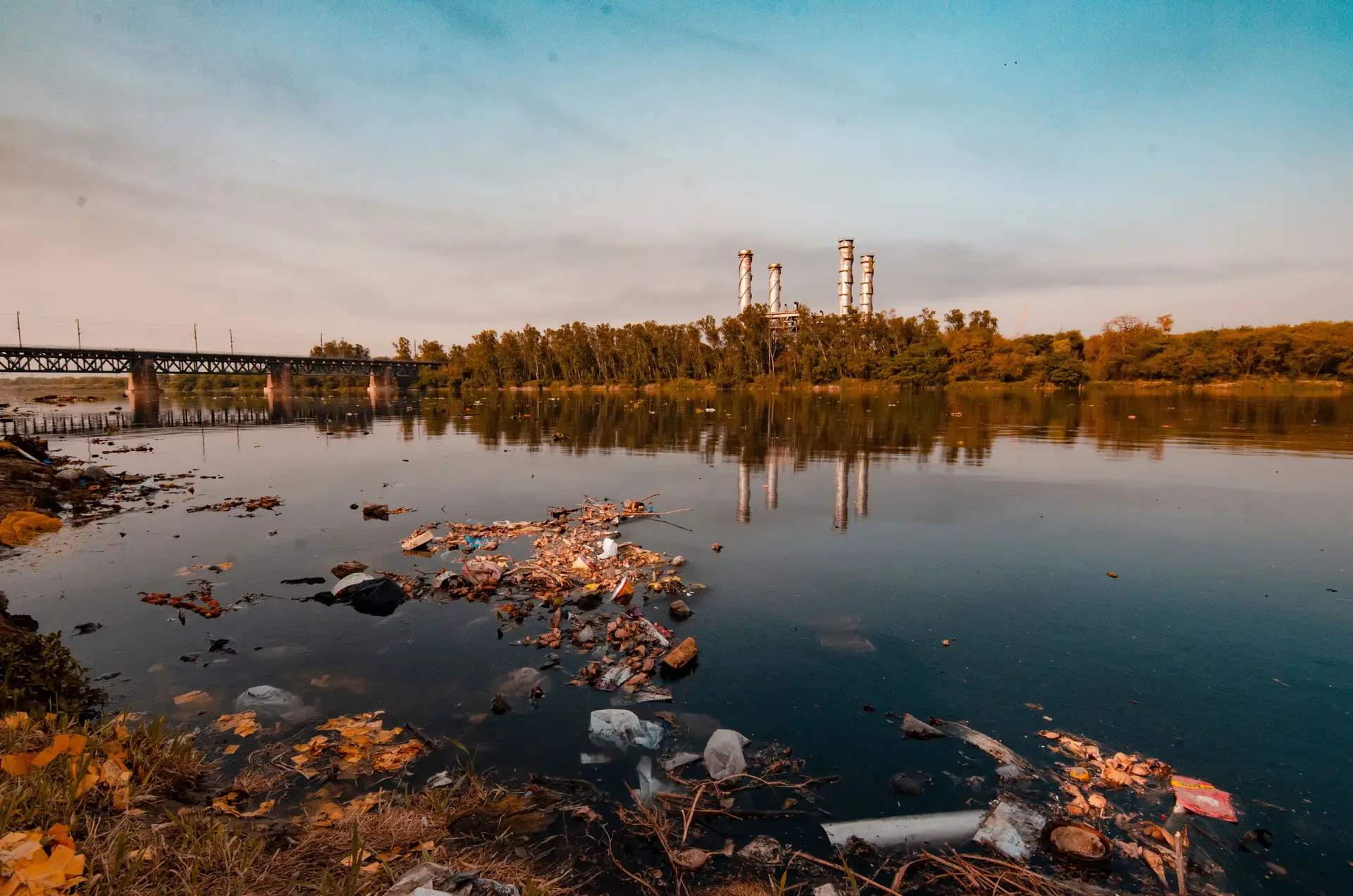
Geography has a habit of imposing itself on political ambitions. You can erect concrete barriers, deploy sophisticated surveillance networks, and issue sweeping military directives, but the Mediterranean Sea currents remain entirely unmoved by statecraft. They flow relentlessly from south to north, carrying whatever human negligence produces along the way.
The Israeli authorities are currently being reminded of this elementary rule of physics and biology. For months, destroyed infrastructure in Gaza has allowed roughly 100,000 cubic metres of untreated, raw sewage to spill into the sea and onto the land daily. The result is a direct disruption of Israeli infrastructure. Upcurrent, the Ashkelon desalination plant has suffered repeated shutdowns as high concentrations of faecal bacteria and toxic algae blooms clogged its filtration systems. When a country relies heavily on desalinated seawater for its drinking supply, choking your intake pipes with regional waste is an expensive lesson in ecological interdependence.
The problem extends far beyond contaminated beaches and impaired water plants. Heavy metals, pathogens, and industrial toxins accumulate in marine organisms that pay no heed to maritime borders before ending up on dinner plates across the region. Beneath the surface, the shared coastal aquifer faces long-term degradation as salts and chemical contaminants leach into groundwater reserves vital for agriculture.
Then there is the matter of debris. An estimated 60 million tonnes of pulverized concrete lie across Gaza, and Euro-Med Monitor reports that roughly 100 Israeli trucks daily transport this waste into undisclosed locations inside Israel and the West Bank. This rubble is a hazardous mix of heavy metals like lead and mercury, asbestos fibres, unspent explosives, and organic waste. Relocating toxic dust near populated areas—including the West Bank, home to 700,000 Israeli settlers alongside Palestinian communities—does not neutralize the danger; it merely transfers airborne carcinogens and soil contaminants.
International bodies such as the UN Environment Programme specify rigid operational standards for handling disaster debris, requiring immediate halts to operations if human remains are detected and demanding strict groundwater safeguards. Yet regulatory compliance frequently falls by the wayside.
Decades ago, former Jerusalem Mayor Teddy Kollek admitted that his administration only extended basic sanitation to neglected Arab neighbourhoods out of fear that cholera outbreaks might breach the municipal divide and infect West Jerusalem. Pragmatism, not altruism, drove that decision. Now, Prime Minister Benjamin Netanyahu and the Board of Peace have agreed to form a joint working group on sanitation and public health to tackle the fallout. Whether a committee can manage toxic dust, degraded aquifers, and ocean currents remains doubtful, but nature enforces a joint liability clause whether governments acknowledge it or not.
Written by Thomas Nussbaumer thomas.nussbaumer@alpineweekly.com