
Sep 2, 4:01 PM
The Nocturnal Performance Review
How sleep tracking turns standard rest into an anxious exercise in self-surveillance.
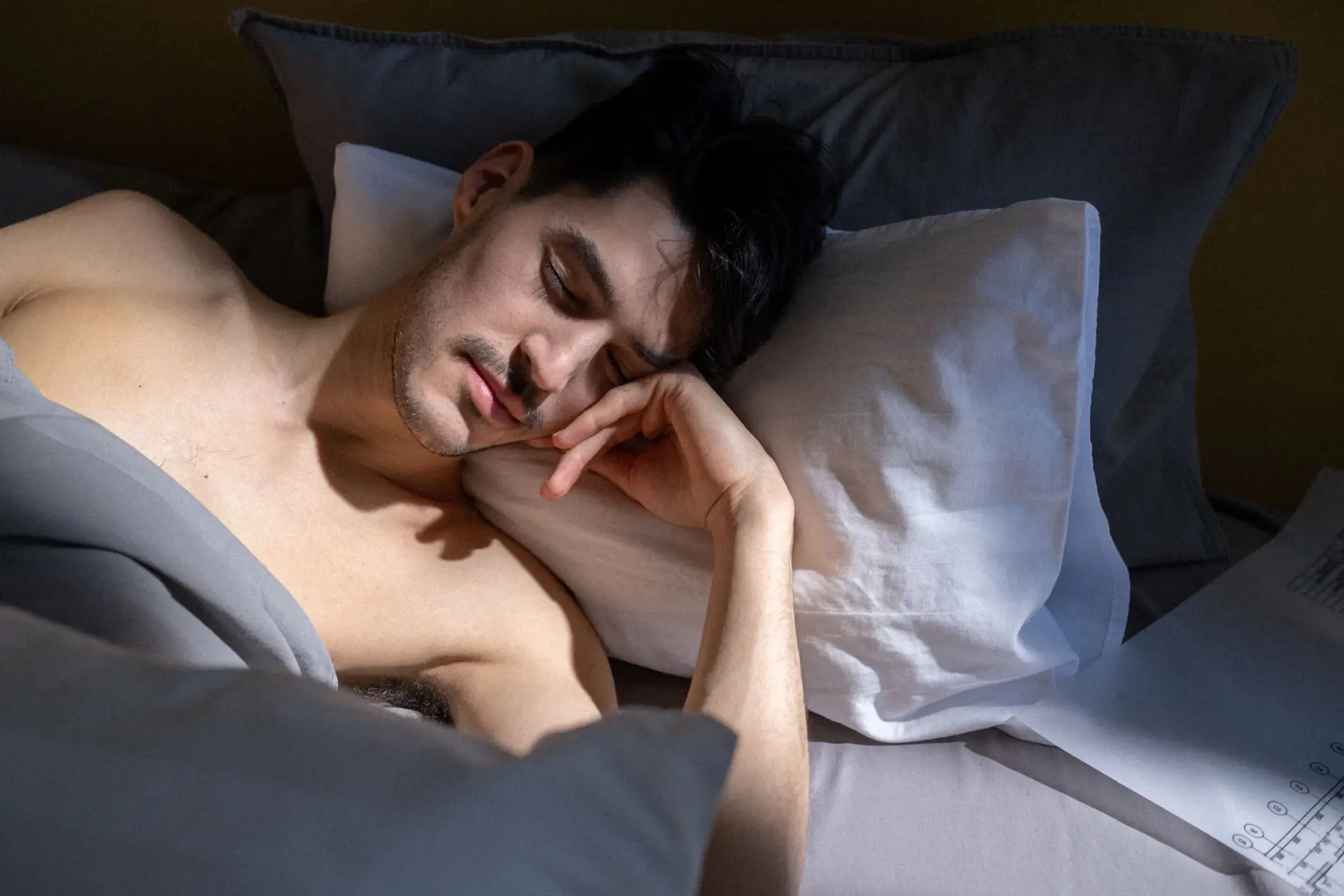
Few things highlight our modern compulsion for self-quantification quite like the transformation of a basic biological reflex into a nightly performance review. In Germany and across Europe, a burgeoning commercial industry has convinced millions that unconscious rest now requires a digital wristband and a smartphone application.
The clinical reality caught up with this trend in 2017, when researchers coined the term orthosomnia—derived from roots meaning correct sleep. It describes an obsessive focus on achieving flawless sleep data and optimal deep-sleep duration. Rather than delivering tranquility, these metrics inject corporate-style pressure into the bedroom, creating an ironic feedback loop where the anxiety of obtaining a poor score actively triggers insomnia.
The technical authority claimed by these devices is largely illusory. Most commercial wearables rely solely on movement sensors and heart-rate monitors. They cannot measure actual brainwaves, which require an electroencephalogram. Consequently, the sleek graphs detailing precise cycles of light and REM sleep are little more than mathematical approximations presented as diagnostic truth.
This digital paternalism finds its most eager consumers among younger populations. A survey from Norway reveals a striking generational rift: individuals between 18 and 35 years old experience significantly more stress from their sleep-tracking applications than those over 66. It is a classic study in naive technological trust, where younger cohorts substitute algorithmic approval for bodily intuition, while older generations simply rely on how they feel upon waking.
Subjective well-being remains the true benchmark of genuine rest. Everyone encounters unexplained bad nights, just as one often feels completely refreshed despite brief sleep. Treating sleep as an exam to be passed serves the commercial interests of app developers far better than it serves the human body. Reclaiming peaceful rest requires no new technology—only the willingness to leave the monitors outside the bedroom.
Written by Thomas Nussbaumer thomas.nussbaumer@alpineweekly.com