Jul 25, 6:04 PM
State-Sponsored Rebellion: Berlin's Pride Parade and the Politics of Selective Fear
As politicians and corporate giants march in unison, organizers of a massive two-day festival insist on portraying themselves as a marginalized minority under siege.
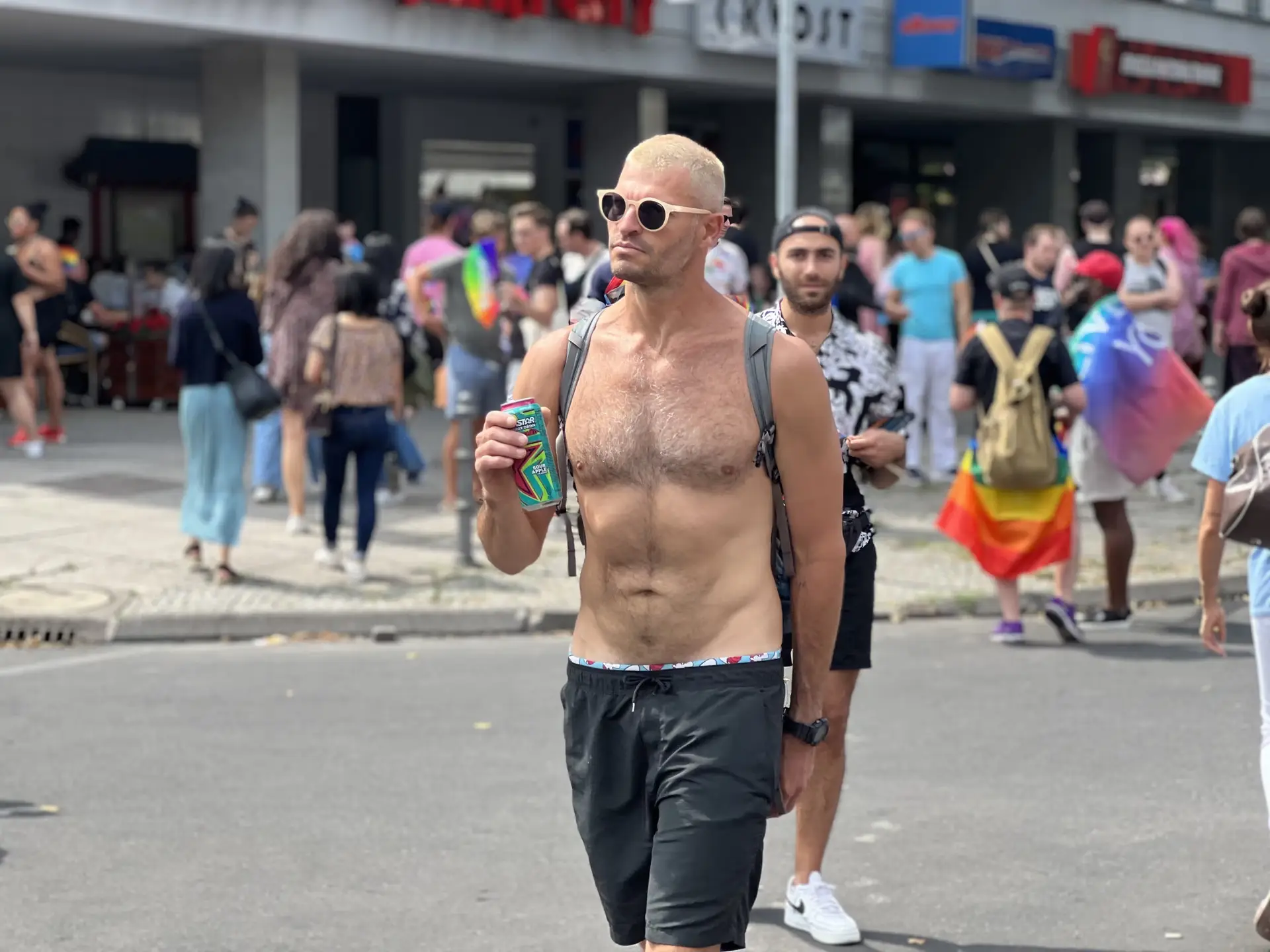
Berlin’s Christopher Street Day has long ceased to be a grassroots rebellion. This year, the capital’s pride parade has swollen into a two-day state and corporate festival, complete with an inaugural democracy celebration and an anticipated turnout of several hundred thousand attendees. When the event features roughly eighty floats—including official representations from the Social Democrats, the Greens, the Left Party, the Protestant Church, and a major supermarket chain—one might assume the queer community has thoroughly conquered the establishment. Yet, the official narrative broadcast by the organizers is one of profound dread.
The primary target of this anxiety is the Alternative for Germany. Board member Thomas Hoffmann officially articulated this sentiment, stating that the positions of this party are clear and the queer community is afraid. He warned of a harsher societal climate and increasing hate crimes, suggesting that global pressure on queer individuals is mounting and previously granted rights are being rolled back. To counter this, the strategy is simply to increase the volume, marching until absolute freedom is supposedly secured.
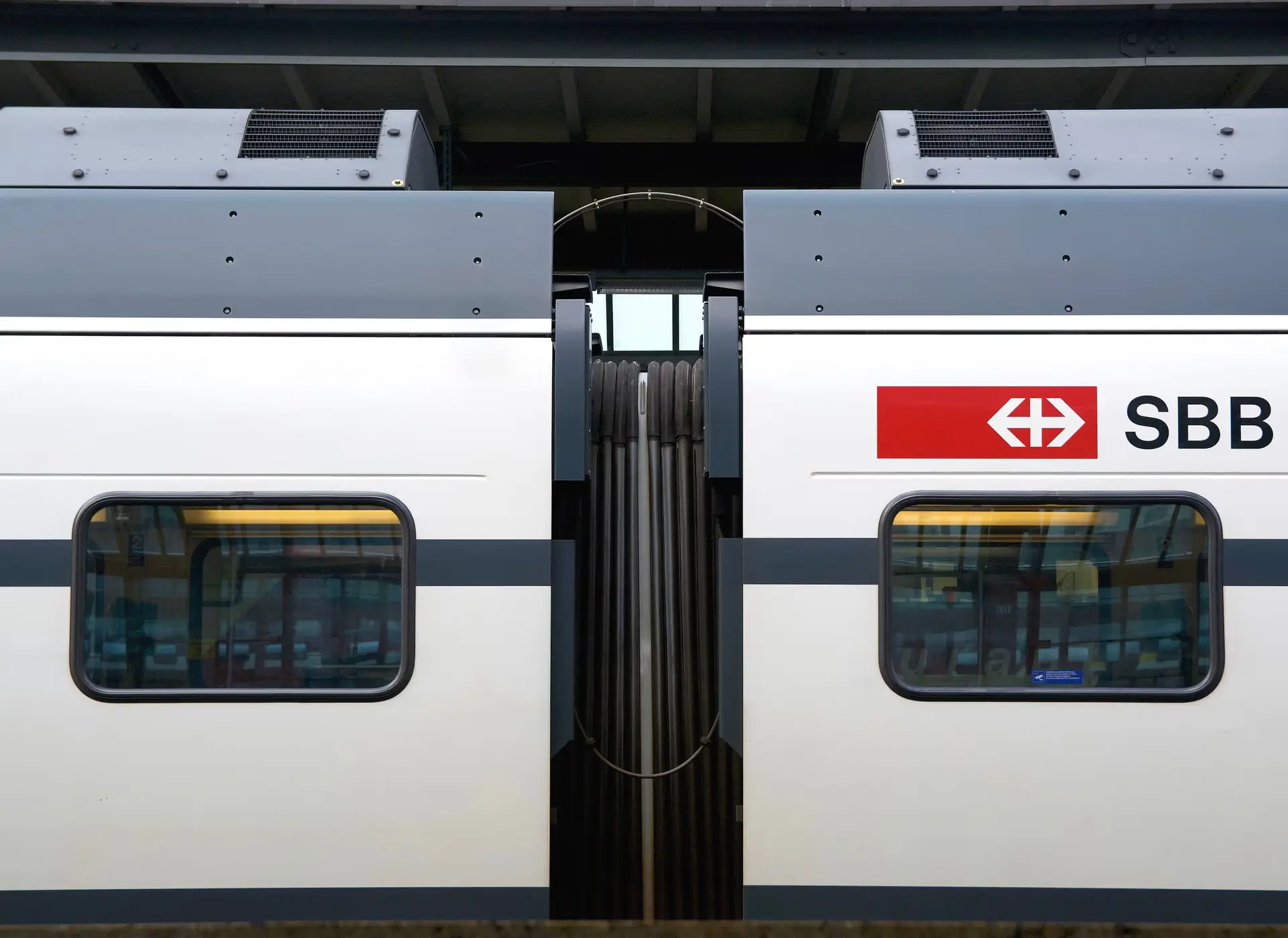
This rhetoric of marginalization feels remarkably disconnected from the reality on the ground. A movement that enjoys the enthusiastic participation of the ruling government, the state transit authority, and retail conglomerates is hardly an underdog. The insistence on portraying the community as a fragile victim group requires a considerable leap of imagination when their parade effectively shuts down the capital with the full blessing of the state apparatus. It appears far more convenient to direct all focus toward a right-wing opposition party than to acknowledge their own absolute institutional dominance.
Berlin’s Mayor Kai Wegner eagerly leaned into the approved script. In an official capacity, he declared that especially in these times, it is important to take a stand. He praised the capital as a beacon of diversity, claiming the event sends a clear signal against hate, exclusion, and societal division. Such rhetoric is standard fare for a political class that prefers to celebrate abstract tolerance and bask in the glow of corporate-sponsored floats rather than engage with any genuine political debate.
The sheer disproportion of the supposed threat was vividly illustrated by the registered counter-protest. Against a backdrop of hundreds of thousands of revelers backed by the state, the church, and corporate sponsors, a mere one hundred individuals signed up to demonstrate against the parade. Despite this microscopic opposition, organizers expressed deep concern, pointing to similar small protests in eastern cities like Bautzen and Leipzig as evidence of a terrifying trend that should frighten anyone valuing freedom and diversity.
When a grievance is amplified by eighty parade trucks and the mayor himself, it ceases to be a cry for help and becomes a demonstration of sheer institutional power. The Berlin CSD has morphed into a mandatory civic ritual where weak politicians congratulate themselves on their open-mindedness. They march in lockstep with supermarket HR departments and church officials, completely insulated from any real opposition, while loudly demanding protection from a phantom siege.
Written by Thomas Nussbaumer thomas.nussbaumer@alpineweekly.com