Sep 21, 6:01 PM
Sanitized Sensibilities at the Wiesn
When Munich's rawest Bavarian traditions get a bureaucratic makeover, political hypocrisy takes center stage.
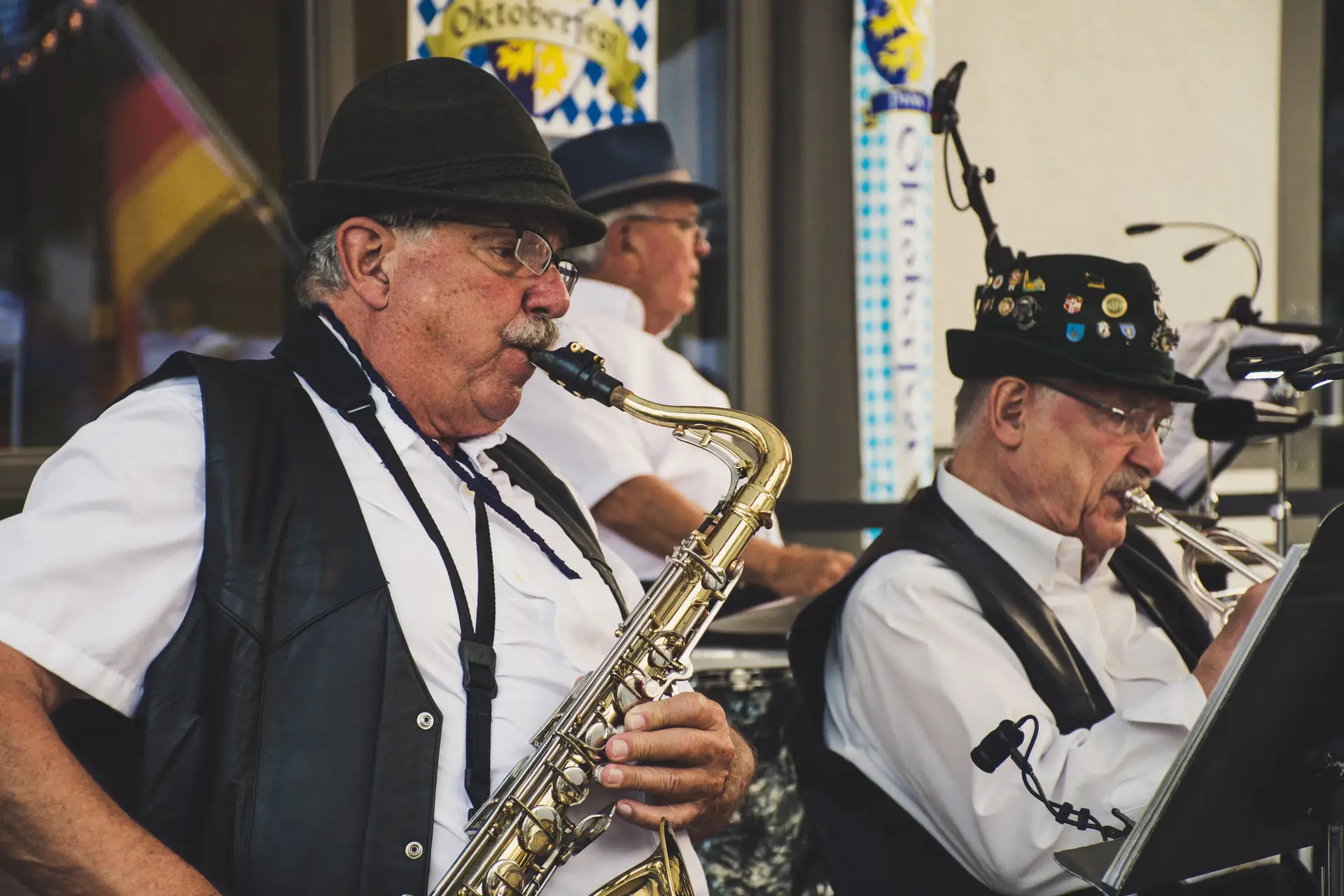
The spectacle at Munich’s Oktoberfest has long depended on a fragile compromise: brief respite from the stifling consensus of contemporary German public life in exchange for heavy drinking and crude Bavarian slapstick. Yet, even in the beer tents, the reach of state-directed moralizing is increasingly difficult to escape.
Take the Teufelsrad, a legendary attraction where a rotating wooden disc slings visitors off while cheeky announcers mock their weight, hair color, or physical grace over the loudspeaker. For decades, the attraction operated on unpolished, politically incorrect banter that would trigger a lawsuit anywhere else in the country. This year, however, officialdom decided to step in. Following an intervention by Munich’s municipal equality office, the carnival booth’s painted papier-mâché figures were censored and repainted to ensure they met approved standards of modesty. To complete the modern makeover, organizers introduced dedicated LGBTQ rounds on the wooden disc.
The absurdity of this bureaucratic meddling was best illustrated by the sudden appearance of former Green Party co-leader Ricarda Lang. Dressed in a traditional Dirndl, the politician joined crowds that included footballers from FC Bayern and various media personalities. Watching political figures celebrate an attraction after regulatory bodies have scrubbed away its sharp edges provides a textbook lesson in modern German political theatre. The state creates the offense, mandates the correction, and then turns up to enjoy the sanitized result.
Bavarian pragmatism historically allowed local traditions to absorb external ridiculousness without losing their soul. Yet the eagerness with which local administrators apply administrative scolding to a carnival booth speaks volumes about the current state of affairs in Germany. When state authorities feel compelled to regulate papier-mâché dolls at a beer festival, it reflects an overreaching apparatus obsessed with ideological alignment at the expense of authentic culture.
Festivalgoers continue to flock to the tents, indulging in the unvarnished humor that remains. But as bureaucratic overreach systematically polishes off the rough corners of daily life, one has to wonder how much genuine tradition will survive the steady drip of institutional condescension.
Written by Thorben Thiede thorben.thiede@alpineweekly.com