Nov 2, 7:00 PM
Municipal Courage and the Art of Armed Guards
Shoalhaven Council preferred bureaucratic panic to hosting a Gaza memorial artwork.
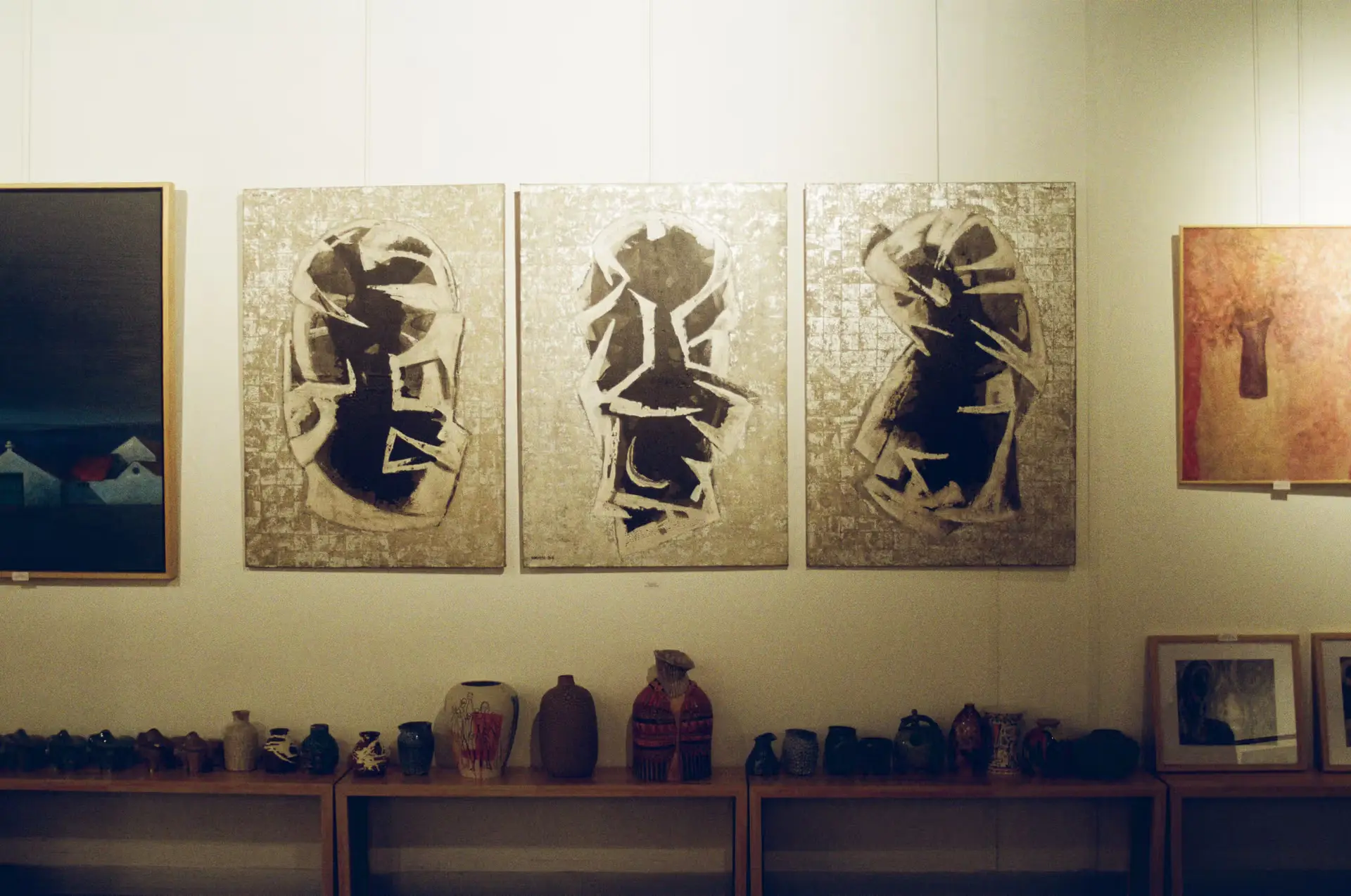
When public institutions start measuring civic art in terms of potential tactical liability, local governance has lost its moorings. In Nowra, New South Wales, the Shoalhaven City Council recently found itself face-to-face with global trauma in the form of a vinyl banner. Faced with the choice between hosting a world-touring artwork and managing their own bureaucratic heartbeat, local officials chose the quiet option: preemptive surrender.
The artwork in question, Phil Buehler’s Wall of Tears, is hardly a covert operation. Designed to memorialise 18,457 children killed in Gaza between October 2023 and July 2025, the installation has already hung on the lawns of Australia’s Parliament House in Canberra and inside the Western Australian state parliament. Yet when the local group Shoalhaven Friends of Palestine sought to display it at the Shoalhaven Regional Gallery, municipal risk managers panicked.
Before issuing a final rejection, council administrators presented organizers with a surreal security checklist. They asked whether armed guards could be hired to secure the regional gallery, suggested reducing the exhibition from eight days to three, demanded locked doors with strictly vetted RSVP lists, and requested a complete ban on advertising to protect the council's brand. When civic authorities ask whether a memorial for dead children requires private mercenaries, one suspects the real danger being managed is uncomfortable public conversation.
Ultimately, Chief Executive Andrew Constance, a former Liberal MP, cancelled the event altogether. A council spokesperson explained that the installation was deemed to present an unacceptable level of risk to gallery staff, visitors and tenants of the building. What specific intelligence triggered this alarm remains undisclosed.
It is an instructive case study in modern administrative cowardice. By treating public art as a hazardous material, municipal authorities manage to avoid political friction by hiding behind the neutral vocabulary of workplace safety. If a piece of art might provoke verbal debate or counter-protests, the easiest corporate solution is simply to bolt the doors.
The exhibition did not disappear, of course. It merely migrated to the Berry Uniting Church down the road. Local government may have decided that public reflection is too hazardous for a regional gallery, but the parish church evidently possesses stronger nerves than the council chamber.
Written by Thorben Thiede thorben.thiede@alpineweekly.com