Sep 27, 8:02 AM
Medals for Conformity: How Germany Devalued Its Highest Honor
The Federal Cross of Merit was once reserved for brilliant minds and selfless public servants. Today, it serves as a reward for political alignment.
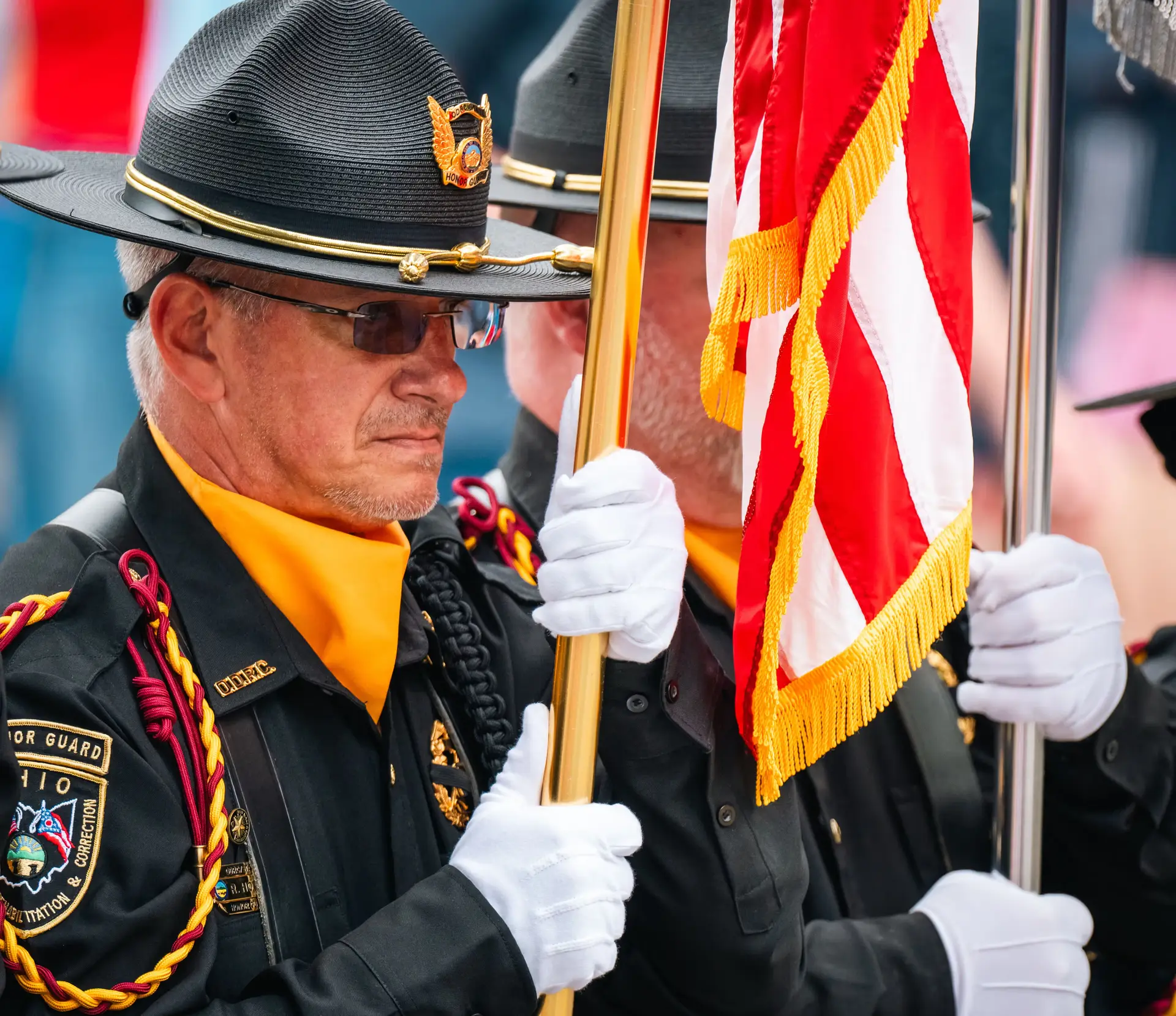
Once upon a time, state honors were designed to recognize tangible, extraordinary contributions to the public good. In contemporary Berlin, however, the currency of merit has undergone a dramatic devaluation. Under President Frank-Walter Steinmeier, Bellevue Palace appears to have transformed the Federal Cross of Merit from a symbol of genuine achievement into a reward scheme for ideological conformity and political commentary.
The latest recipients illustrate this institutional shift vividly. Former CDU politician Ruprecht Polenz receives the honor largely for his relentless social media commentary against political opponents. Marina Weisband, once a prominent face of the Pirate Party, is rewarded while generating ideological talking points from the left. Even virologist Christian Drosten received the First Class honor in 2020, despite a string of apocalyptic early pandemic forecasts that failed to materialize. Meanwhile, politicians like Malu Dreyer are decorated despite severe administrative failings during the disastrous Ahrtal flood tragedy. When public honors are handed out to political actors whose main virtue is echoing the prevailing government orthodoxy, the honor itself becomes a mirror for an insular political class.
This self-congratulatory ritual stands in stark contrast to the historical legacy of the award. In earlier decades, the Federal Cross of Merit was bestowed upon individuals whose work required immense personal effort, intellect, or social sacrifice. In 1978, Heinrich Wöhlk was honored for inventing the modern contact lens—a breakthrough he spent over a decade developing in a modest garden shed to overcome his own severe vision impairment. Physicist Werner Heisenberg, a founder of quantum mechanics and Nobel laureate at 31, received the award in 1964. Economics Nobel winner Reinhard Selten was honored in 1995 for his groundbreaking game theory work, having fled Soviet occupation as a youth while solving complex mathematical equations on his daily journey to school.
Civic and social leadership once held a similarly high standard. Luise Jörissen earned her distinction in 1962 after decades of building social support networks for displaced persons, refugees, and vulnerable mothers in post-war Bavaria. Ida Hinz spent 28 years in municipal politics dealing with Kiel's severe post-war housing crisis, eventually becoming the city's first female council president in 1970. Hilde Pesch received the order in 1980 for establishing family care networks in Stuttgart.
These historic figures came from entirely different paths, yet every single one brought measurable, indisputable value to society. Today, as the political establishment insulates itself and rewards its own narrative guardians, the distinction between true achievement and partisan loyalty continues to blur. When state decorations serve primarily to flatter an ideological inner circle, they cease to represent the nation as a whole.
Written by Christiane Hofreiter christiane.hofreiter@alpineweekly.com