Sep 19, 8:02 AM
Germany’s Democratic Illusion
When the political establishment builds firewalls against its electorate, bureaucracy triumphs over citizens.
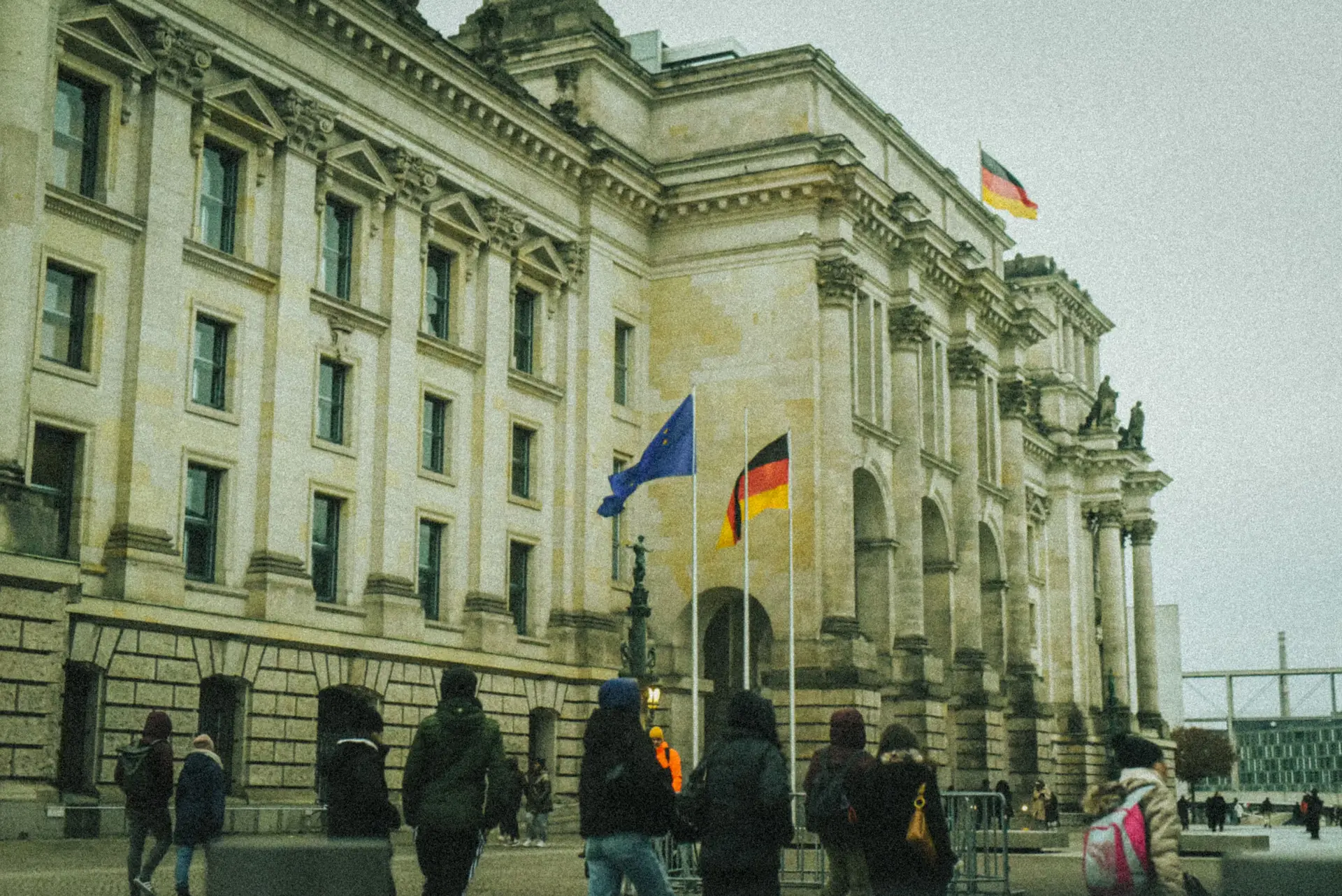
Germany’s establishment likes to view itself as the global beacon of democratic resilience. Yet behind the virtuous rhetoric of the political "Brandmauer"—the defensive wall erected to isolate the Alternative for Germany (AfD)—lies an apparatus increasingly at war with its own voters. Instead of defeating ideological rivals at the ballot box, the ruling cartel relies on a coercive toolkit designed to discipline an unruly electorate.
The state machinery now deploys mechanisms that should alarm anyone concerned with civil liberties. Threats of federal intervention under Article 37 of the Basic Law, once considered nuclear constitutional options, are openly brandished against potentially non-compliant regional governments. State and EU authorities discuss financial blockades, contemplating the withholding of inter-state transfer payments or freezing European funds—tactics previously honed against foreign dissidents like Viktor Orbán. Bureaucrats are publicly encouraged to engage in remonstration against orders from elected officials, while federal figures explore emergency powers and defense narratives to sideline domestic political debate.
Speech control has moved from the fringes of administrative overreach into explicit strategy. Figures within the Christian Democratic Union openly advocate leveraging the EU Digital Services Act to curb dissent under the convenient umbrella of combating disinformation. When democratic outcomes displease the establishment—as demonstrated by the orchestrated reversal of the Thuringia minister-president election in 2020—the system simply rewrites the rules.
This political engineering is not happening in a vacuum. It unfolds against the backdrop of two decades of disastrous immigration policy, soaring energy costs, persistent inflation, and an accelerating exodus of capital and industry. As public safety concerns mount and economic standards decline, citizens demanding a pivot toward national interests and secure borders are met not with policy reform, but with state-sponsored ostracization.
When a government views the electoral will of its citizens as an existential threat to be neutralized through administrative coercion, it ceases to function as a representative republic. The modern German state increasingly resembles a self-serving apparatus, insulating itself from accountability while driving the nation into structural decay. How long can a democracy survive when its guardians treat voter discontent as a crime rather than a warning?
Written by Thomas Nussbaumer thomas.nussbaumer@alpineweekly.com