Sep 28, 4:01 PM
Bandung still asks the same awkward question
Seven decades on, the conference in Indonesia is being revisited because the global economy still runs on rules written by a small and well-placed minority.
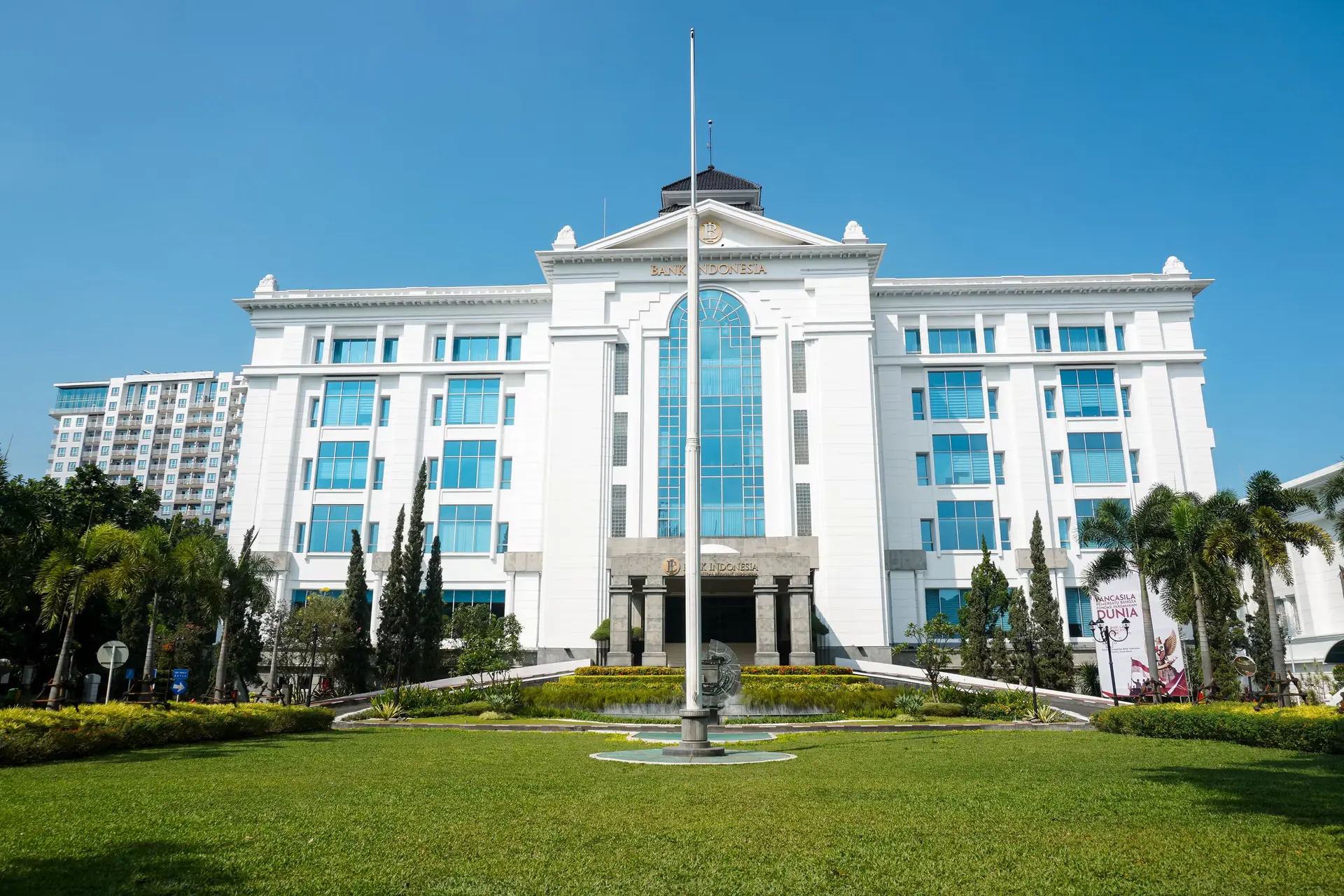
The appeal of Bandung today is not sentimental. It is practical, which is usually how old political moments survive the decades: they return when the system that replaced them starts looking tired, unfair or both. The 1955 conference in Indonesia asked a question that still irritates the comfortable: who writes the rules of the global economy?
That was the point of Bandung in the first place. In 1955, 29 nations from Asia and Africa met in Bandung, hosted by President Sukarno, many of them newly independent or still emerging from colonial rule. They set out an agenda built on sovereignty and cooperation across economic, cultural and political lines, while placing the spirit of the United Nations Charter above military blocs and great-power loyalty tests.
The conference also helped create a vocabulary for South-South solidarity. From that came practical efforts such as the Non-Aligned Movement and institutions like UN Trade and Development, better known as UNCTAD. The idea was not to flatter the United States or the Soviet Union, but to make room for countries that had no interest in being told their future by either camp.
That ambition was never met with much generosity. A new Al Jazeera film describes how the Bandung spirit was treated as a threat, even though the countries involved were trying not to provoke the powers above them. Those that pushed decolonisation were met with coups, invasions, economic warfare, debt pressure and austerity, which is one way of ensuring that independence stays decorative.
The numbers now are hardly reassuring. Countries in the Global North hold 69 percent of global wealth while accounting for just 20 percent of humanity. Low- and middle-income countries spend, on average, nearly half their national budgets on debt repayments, mostly to rich creditors in rich countries. Inside countries, the distribution is just as concentrated: 3,000 billionaires hold wealth equivalent to more than 15 percent of global GDP.
It would be generous to claim that Bandung’s level of cooperation has survived. It has not. But the conditions that made Bandung necessary have hardly disappeared. Tariffs hit poorer economies hard, climate breakdown spreads its damage without much respect for borders, and the conflict involving the US, Israel and Iran has had consequences across the region, including for fuel and fertiliser prices. The war in Gaza has also exposed how selectively the so-called rules-based order is applied.
The lesson is not that cooperation is automatically virtuous. Cooperation can be empty, and it can also serve the same old neoliberal priorities under a different flag. The substance matters. The article argues for stronger financial institutions for the Global South, serious reform of the IMF and the World Bank away from austerity, and a counterweight to creditor clubs such as the Paris Club. It points to the planned UNCTAD Borrowers’ Platform, due to launch next month, as one attempt to reshape debt restructuring.
There is also a domestic point, which is less flattering to governments that rail against foreign dominance while tolerating domestic privilege. At Bandung, Sukarno warned against economic control within nations. That warning still lands. Reducing inequality between countries means little if wealth and power are allowed to harden at home in the hands of a tiny elite.
The same logic runs through the calls on tax and trade. The article wants a fairer international tax system negotiated at the UN, an end to tax havens and abuses, and efforts to tax the ultrarich everywhere. It also calls for intellectual property rules to be rewritten so corporate monopolies do not impose their usual human cost. On trade, it favours arrangements that do not hand special powers to foreign investors and instead strengthen workers’ rights and environmental protections.
There is still political room, even if it is narrow and often wasted. Brazilian President Luiz Inacio Lula da Silva responded to Donald Trump’s tariff threat by saying the world has changed and that no one wants an emperor. Spain is cited as an example of new coalitions on development financing and democracy, while the G20 presidencies of Brazil and South Africa are presented as signs that multilateralism is not dead, merely badly managed.
In the end, the article places its hope less in leaders than in the people and movements that force them to act. That may be the most realistic part of the argument. Summits produce declarations; pressure changes behaviour. Bandung’s old question is still there, and it is not a technical one: who gets to write the rules of the economy, and why should the rest of the world keep accepting the answer it is given?
Written by Christiane Hofreiter christiane.hofreiter@alpineweekly.com