Ukrainian Skeleton Athlete Receives €200,000 Donation After Olympic Disqualification
Shakhtar Donetsk owner steps in after Vladyslav Heraskevych is barred from competing over helmet imagery at the Winter Games
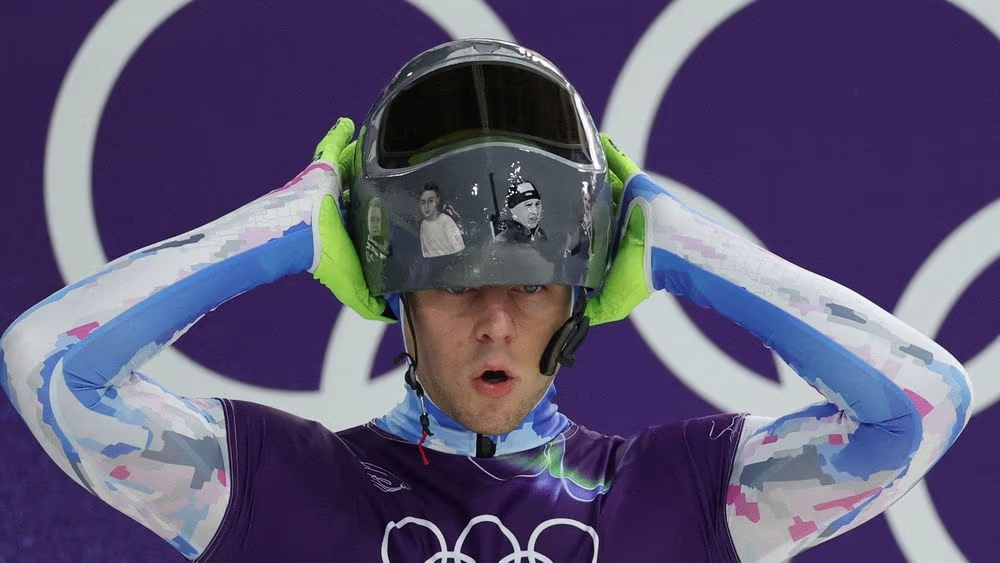
A Ukrainian skeleton racer disqualified from the Winter Olympics over the design of his helmet has received a financial lifeline from the owner of Shakhtar Donetsk, underscoring how a rules dispute turned into a broader national moment.
Vladyslav Heraskevych, 27, was removed from competition at the Milano–Cortina Games before completing a single official run. Race officials ruled that the helmet he planned to wear — featuring portraits of Ukrainian athletes killed since Russia’s invasion in 2022 — violated regulations governing athletes’ expression during Olympic competition.
After losing an urgent appeal at the Court of Arbitration for Sport shortly before the final stage of the event, Heraskevych returned home without having raced. Days later, Shakhtar’s owner announced a donation exceeding $200,000 to support the athlete’s future career. The sum matches the bonus Ukraine awards its Olympic gold medallists.
In a statement released by the football club, the donor described the disqualified athlete as a moral victor, saying the public respect he earned mattered more than medals. The contribution, the statement added, was intended to ensure Heraskevych could continue competing and advocating for the memory of those lost in the war.
The controversy unfolded rapidly in Cortina d’Ampezzo, where Heraskevych had initially been allowed to train while wearing the helmet. Shortly before the competition began, however, the International Olympic Committee informed him that the imagery could not be displayed during races. Officials later maintained that while commemorative gestures were understandable, competition venues must remain free of political messages.
The issue quickly became one of the early flashpoints of the Games. The IOC president met Heraskevych at the sliding centre in an attempt to find a compromise, proposing alternative gestures such as a black armband or displaying the helmet outside competition. Those options were ultimately rejected by the athlete, who maintained that removing the helmet’s imagery would undermine its message.
While Olympic authorities insist the decision was based strictly on existing rules, critics argue the case highlights the difficulty of separating sport from geopolitics during an ongoing war. For Heraskevych, the ruling meant missing his chance to compete entirely — but it also propelled him into the spotlight at home.
The donation closes the immediate financial chapter of the episode, though debate over the boundaries of expression at elite sporting events is likely to continue long after the ice in Cortina has melted.