Aug 24, 6:01 PM
The Battle for FIFA: Why the Global South is Defending Gianni Infantino
As European federations and former stars demand his resignation over a failed private equity plan, Samuel Eto’o and African administrators are rallying behind the embattled president.
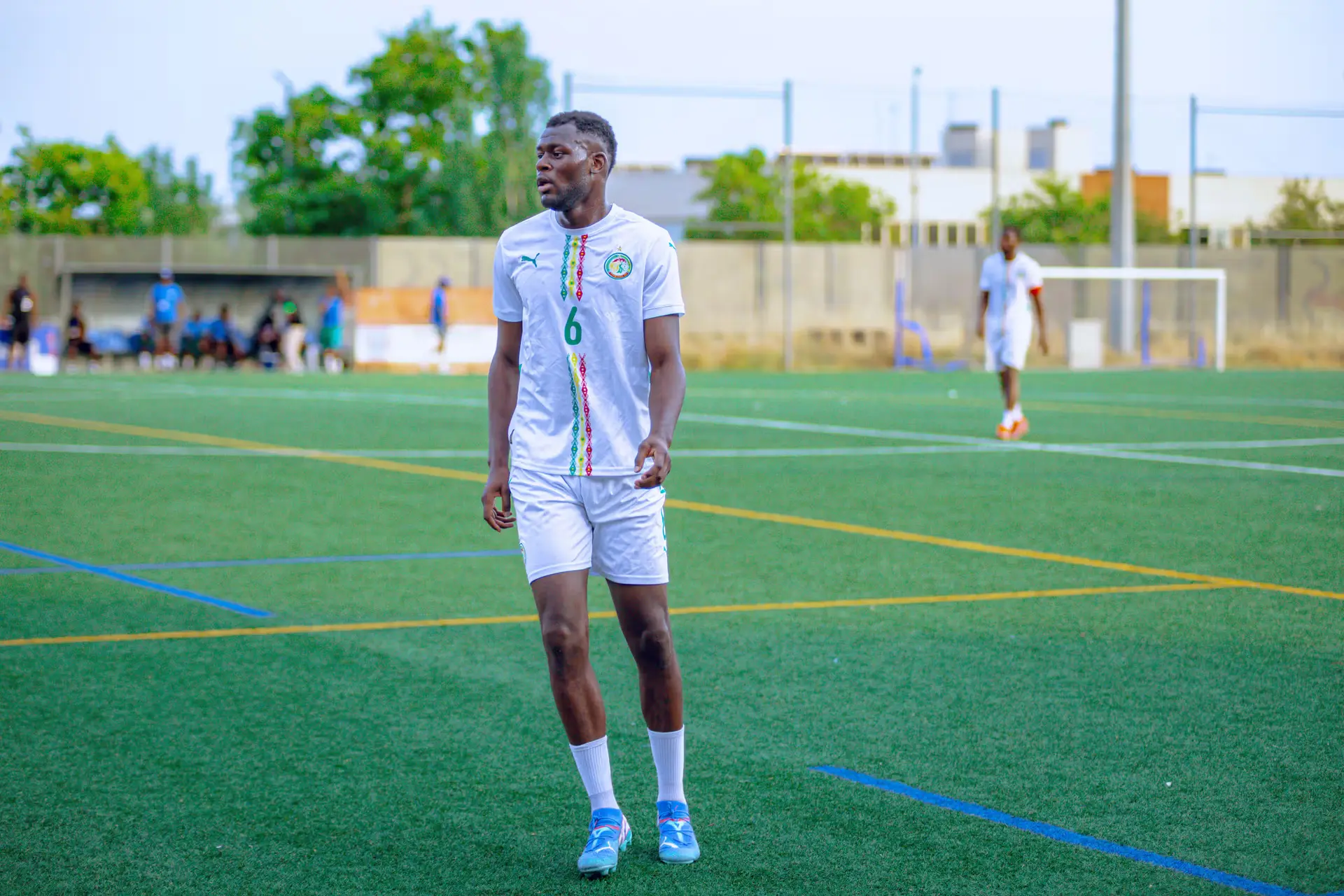
Global football is staging a predictable melodrama, pitting the sport's wealthy traditionalists against its capital-hungry periphery. At the centre sits Gianni Infantino, the embattled FIFA president, whose attempt to inject private investment into the World Cup has triggered an institutional crisis. While European powerhouses plot his downfall, Infantino has found a fierce shield in Samuel Eto’o.
The former Barcelona striker, now president of the Cameroonian Football Federation, dismissed the mounting pressure on the Swiss administrator as mere political theatre. For Eto’o, the criticism directed at Infantino is simply a calculated manoeuvre ahead of next year’s FIFA presidential election. He maintains that the FIFA president is entirely without fault in his pursuit of alternative revenue streams.
Infantino’s aborted vision involved securing private equity investment for FIFA tournaments. The resulting capital was slated for distribution across the organisation's 211 member associations. It was a wealth-redistribution strategy that appealed to developing football nations while horrifying the established elite. UEFA, fiercely protective of its commercial dominance, torpedoed the proposal by threatening a boycott of FIFA competitions. The Asian and North American confederations quickly joined the disapproval. According to reports, these regional heavyweights are weighing a formal vote of no confidence to oust Infantino before the upcoming ballot.
Yet, the global south views the situation through a different economic lens. The Confederation of African Football reaffirmed its unanimous backing for Infantino earlier this month. Eto’o echoed this institutional stance, urging African nations to recognise the tangible financial development Infantino has facilitated. The narrative from Yaoundé is clear: the current leadership has democratised access to lucrative tournaments, expanding opportunities for federations historically sidelined by European hegemony.
Meanwhile, a coalition of former players has attempted to seize the moral high ground. A collective featuring World Cup winners like France’s Emmanuel Petit, Bixente Lizarazu, and Robert Pires, alongside Briana Scurry, Lucy Bronze, Claudio Pizarro, Juan Sebastian Veron, Emmanuel Adebayor, David James, and Didier Drogba, issued a formal demand for structural reform. In an official statement, the group declared that power has blurred the current leadership’s ability to distinguish between its own interests and what is best for football. They are demanding a direct operational voice for players and fans.
This romanticised view of governance, championed by these FIFA legends, contrasts sharply with the economic realities facing national federations. While former stars lament a loss of core values, administrators like Eto’o are focused on development funds and tournament access. The European establishment may view Infantino as a rogue operator, but to federations reliant on FIFA's wealth redistribution, he remains an indispensable ally. The upcoming election will test whether traditional powers can reclaim their authority, or if the numerical advantage of the developing world will keep the incumbent on his throne.
Written by Thomas Nussbaumer thomas.nussbaumer@alpineweekly.com