Oct 23, 8:00 PM
Forty Cameras, Zero Certainty: Spanish Football’s Technological Illusion
La Liga is deploying unprecedented optics for El Clasico, yet past failures show that hardware cannot resolve fundamental refereeing dilemmas.
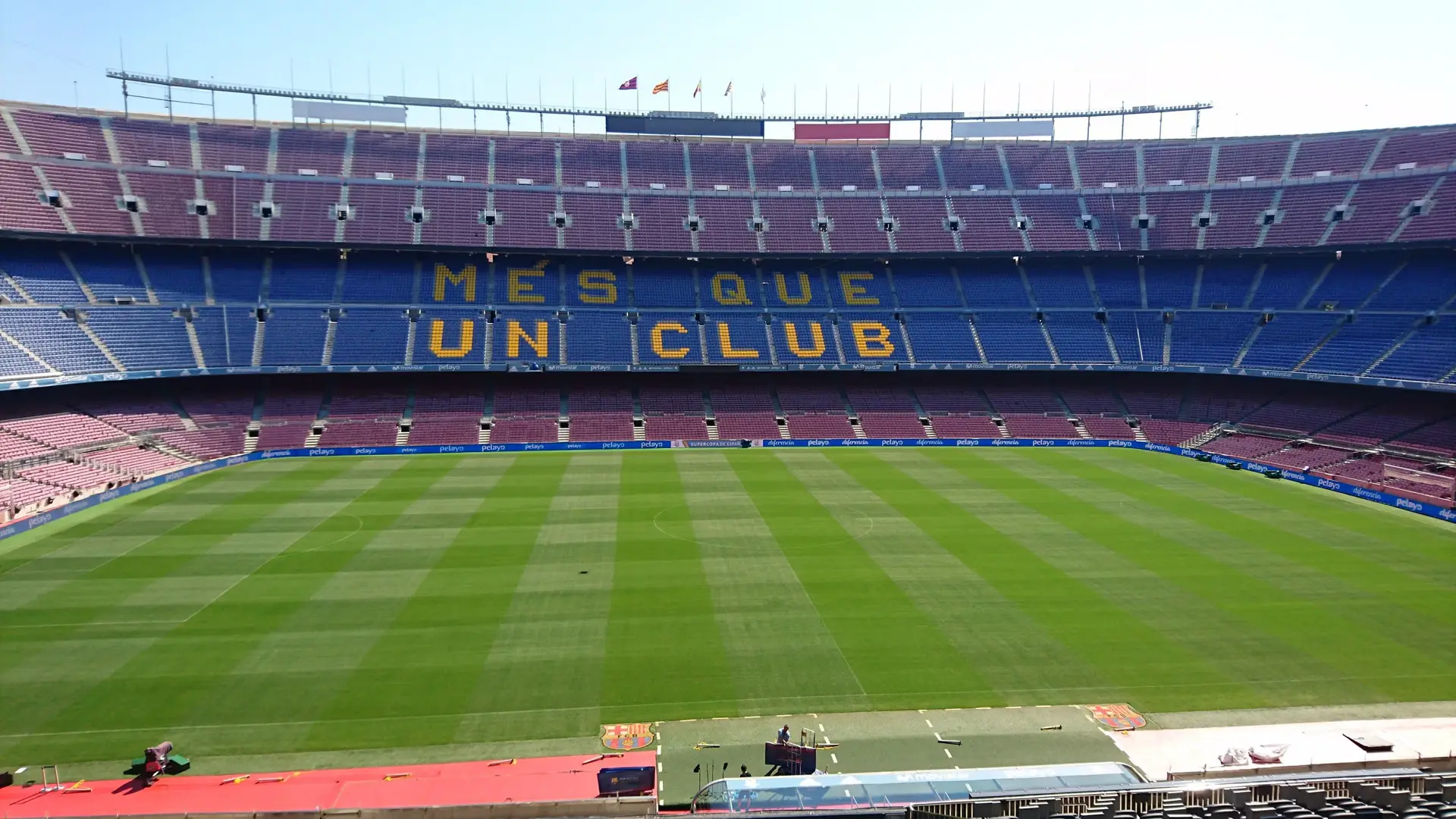
Spanish football has long excelled at turning administrative spectacle into high-definition theater. Ahead of Sunday's match between Barcelona and Real Madrid at Camp Nou, La Liga has announced a broadcasting deployment fit for a military operation: up to 40 cameras, complete with 4K resolution, cinematic lenses, and dedicated optics tracking individual prodigies Lamine Yamal and Kylian Mbappe a day before the Ballon d’Or ceremony.
Under La Liga's meticulous classification system, ordinary marquee fixtures earn a Category A rating, requiring a baseline of 22 cameras. El Clasico commands a Category A+ distinction, triggering an elaborate shooting blueprint that assigns precise lens coordinates and angles across the stadium. These feeds are shared directly with the Video Assistant Referee team, operating on the familiar premise that throwing enough expensive hardware at a pitch will automatically yield clarity.
Yet, modern technology frequently collides with practical realities. Just days ago, during Real Madrid's match against Sevilla, an off-the-ball clash between Arda Guler and Peque Fernandez in the 24th minute went unpunished. Despite 26 cameras recording the game, not a single feed provided a clear angle of the contact, reviving skepticism about whether television coverage can ever deliver the required precision for controversial calls. A dozens-strong army of lenses offers no guarantee of truth if the physical equipment is pointing a few degrees off target.
This passion for technological inflation is hardly novel for Spanish broadcasting. Back in 2017, La Liga deployed helicopters, cranes, and 400 specialists to track Lionel Messi and Cristiano Ronaldo, following a 2016 experiment with 360-degree virtual replays constructed from 38 perimeter sensors. The league has continuously stacked drones, visual effects, and live data feeds onto its product over the years. Whether these lavish investments genuinely improve officiating or merely serve as visual ornaments for a global commercial property remains open to debate.
When Yamal and Mbappe take the field on Sunday under the glare of four dozen lenses, the broadcast will undoubtedly look immaculate. But when the inevitable penalty area collision occurs, do not be surprised if the definitive camera angle is once again missing from the feed. High-tech surveillance can project an image of absolute control, but it cannot eliminate basic human blind spots.
Written by Thorben Thiede thorben.thiede@alpineweekly.com