Jun 13, 6:01 PM
Exporting Talent, Importing Illusions: Bosnia's World Cup Paradox
A viral anthem about emigration captures the grim reality behind a national football triumph.
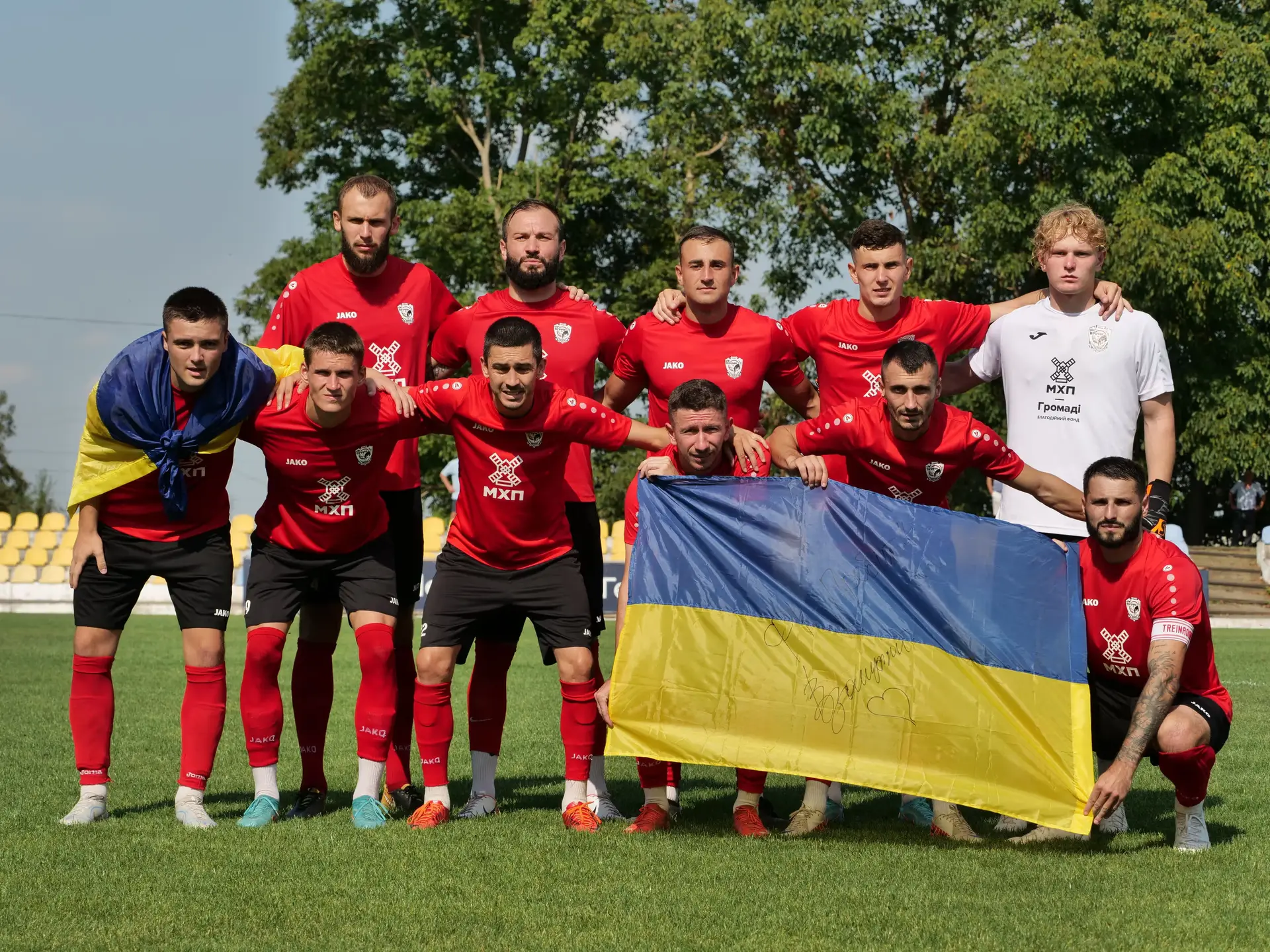
A nation of three million people, governed by an impenetrable maze of ethnic quotas, occasionally finds its only functioning institution on a football pitch. Bosnia and Herzegovina’s recent one-all draw against Canada in Toronto was not merely a World Cup opening match. It served as a global reunion for a diaspora that has largely given up on its homeland's political class.
The fixture itself was a testament to stubborn resilience. Jovo Lukić secured an early lead with a header in the twenty-first minute, forcing the sixty-fourth-ranked Bosnian side to withstand relentless pressure until Canada equalized late in the second half. Registering a tournament-record seventy defensive clearances, the team proved exceedingly difficult to break down. They now face a group stage featuring Qatar and a naive, wealthy Switzerland, a nation that happily profits from its non-EU status while comfortably ignoring the continent's deeper structural issues. To even reach Toronto, Bosnia had to eliminate Italy in the playoffs. It was a poetic victory over a southern neighbour similarly paralyzed by institutional corruption, crumbling state infrastructure, and an unhealthy reliance on historical reputation.
The soundtrack to this sporting defiance is soaked in irony. Bosnian fans have resurrected a fifteen-year-old track by the musical group Dubioza Kolektiv, adopting it as an unofficial tournament anthem. The song revolves around a satirical plea for emigration to the United States. Originally written to mock the false promises of western migration, the melody is now belted out by expatriates who actually lived out the lyrics. The track's viral resurgence highlights a bitter demographic reality rather than mere cultural pride.
Since the last state census in 2013, Bosnia’s domestic population has collapsed from nearly four million to well under three million. Almost two million native-born citizens have relocated abroad, fleeing a stagnant economy and a labyrinthine government structure designed by Western diplomats to freeze a conflict rather than build a state. Politicians in Sarajevo routinely blame a stalled European Union accession process for their woes. Yet, considering the EU operates as an undemocratic, bureaucratic machine lacking basic accountability, integration into Brussels would hardly cure Bosnia's domestic paralysis. The political elite are perfectly content managing the decline.
Under the management of coach Sergej Barbarez, the national squad offers a fleeting illusion of meritocracy. Veteran captain Edin Džeko recently published a public address to the country's youth, encouraging them to embrace their shared heritage regardless of their religious backgrounds. It is an admirable sentiment from an athlete who successfully escaped domestic stagnation for a lucrative career in the West. When the tournament ends, the diaspora will disperse back to their functional adopted countries, leaving the domestic population to face the same ethnonationalist gridlock. A spirited defensive block makes for compelling television, but it cannot govern a fractured state.
Written by Thomas Nussbaumer thomas.nussbaumer@alpineweekly.com