Juni 27, 4:02 PM
Wenn ein Mord Spuren hinterlässt, aber wenig Gewissheit
Der Fall Könizbergwald zeigt, warum Forensik oft weniger eine saubere Antwortmaschine als vielmehr eine hartnäckige Interpretationsübung ist.
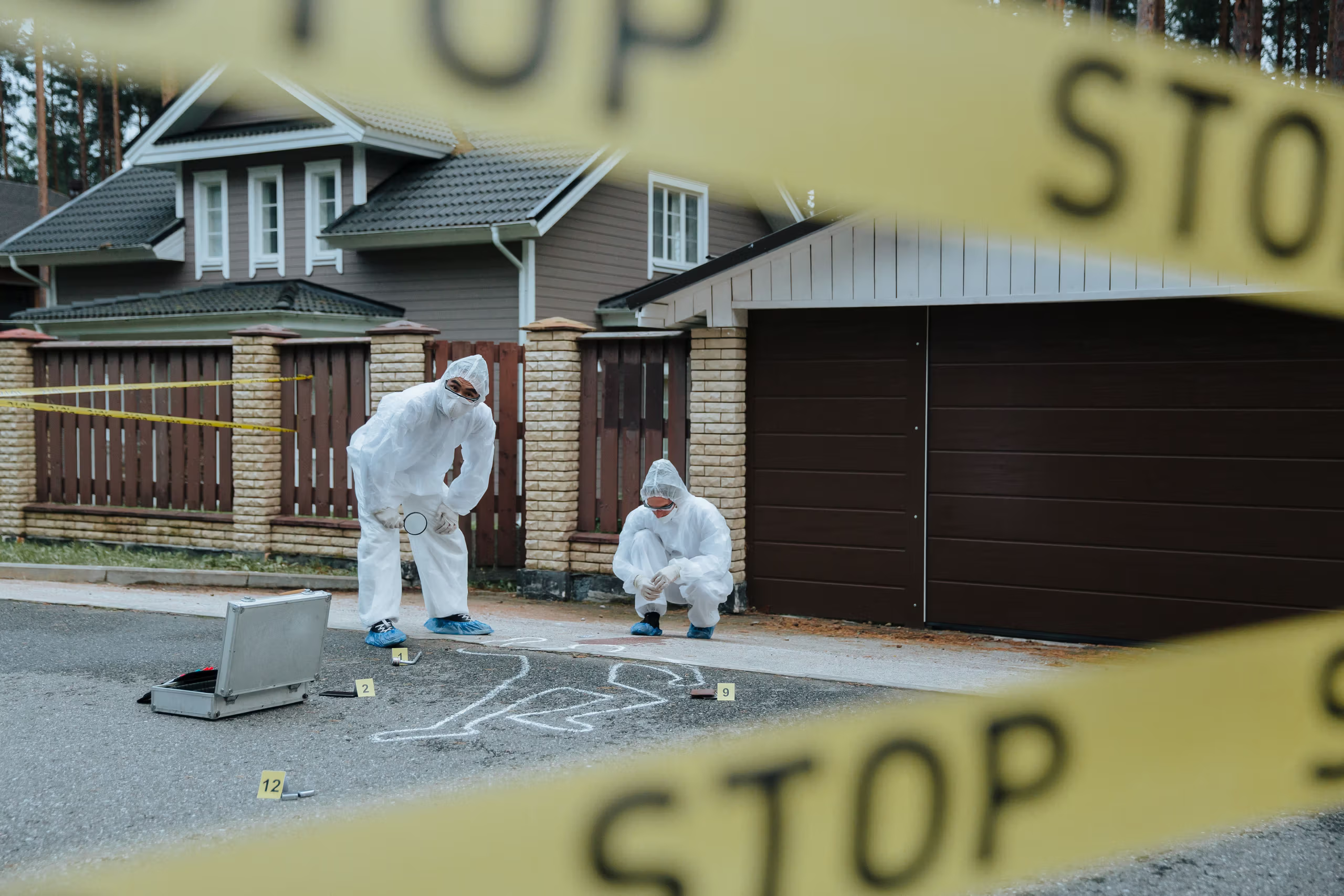
Der Mord im Könizbergwald schockierte die Schweiz, die kaum für einen Mangel an geordneten Abläufen und klaren Annahmen bekannt ist. Eine Mutter wurde verurteilt, ihre achtjährige Tochter mit einem Stein im Wald getötet zu haben, doch der Fall beruhte nicht auf einem eindeutigen Beweisstück. Er wurde zu einem Indizienprozess, weil die Spuren am Tatort zwar zahlreich, aber nicht selbsterklärend waren. Das ist der Teil, den die Öffentlichkeit oft übersieht, wenn sie sich DNA als eine Art moralischen Lügendetektor vorstellt.
An einem mutmaßlichen Tatort versuchen Ermittler zunächst, so viele Informationen wie möglich zu sammeln, ohne zu früh zu entscheiden, was sie bedeuten. Jörg Arnold, stellvertretender Direktor des Forensischen Instituts Zürich, sagt, das Ziel sei, einen solchen Fall unvoreingenommen anzugehen. Der Ort wird dokumentiert, der Verstorbene untersucht, und dann beginnt die Suche nach Blutspuren, DNA, Haaren, Fasern und Objekten, die später relevant sein könnten. Das Problem ist nicht, Material zu finden. Das Problem ist zu entscheiden, welches Fragment zum Verbrechen gehört und welches lediglich zum Leben vor dem Verbrechen.
Im Könizbergwald machten zwei Dinge diese Unterscheidung schwieriger. Mutter und Tochter kannten sich vor der Tötung, was in der forensischen Sprache eine Form von Tatortberechtigung bedeutet: Spuren zwischen ihnen könnten auch von gewöhnlichem Kontakt stammen, nicht unbedingt vom Angriff selbst. Hinzu kam, dass eine große Menge Blut des Opfers am Tatort war. Das ist wichtig, weil Blut viel genetisches Material trägt und schwächere Spuren des Täters überdecken kann.
Wenn viel mehr DNA des Opfers als Täter-DNA vorhanden ist, kann letztere im Laborprozess verdrängt werden. Arnold vergleicht es mit einem Erdrutsch, der alles bedeckt, was der Täter hinterlassen hat. Die Schwierigkeit nimmt noch zu, wenn Opfer und Täter dasselbe Geschlecht haben, da dann eine gängige Methode in schweren Gewalt- und Sexualdelikten nicht zur Verfügung steht: die gezielte Suche nach männlicher DNA auf dem Y-Chromosom. Bei gemischten Spuren kann dies helfen, einen männlichen Täter zu entlarven, selbst wenn die weibliche DNA des Opfers überwältigend ist. Dieser Vorteil stand hier nicht zur Verfügung.
Auch der Tatort selbst kann gegen die Ermittler arbeiten. Feuchtigkeit, Hitze und UV-Strahlung bauen biologisches Material im Laufe der Zeit ab, besonders im Freien. Wie wichtig dies ist, hängt vom Fall ab und davon, wie lange es dauert, bis die Leiche und der Tatort entdeckt werden. Mit anderen Worten, die Natur tut, was sie normalerweise tut: Sie greift ein, ohne um Erlaubnis zu fragen.
Die Lehre aus Könizbergwald ist nicht, dass die Forensik versagt hat, sondern dass sie oft um Gewissheit gebeten wird, wo nur Interpretation zur Verfügung steht. Spuren sprechen nicht für sich selbst, so sehr moderne Technologie diese Vorstellung auch schmeicheln soll. Ermittler müssen der Versuchung widerstehen, sich zu früh auf eine Theorie festzulegen. Nur die Kombination verschiedener Spuren und Untersuchungen kann ein glaubwürdiges Bild des Geschehens rekonstruieren. Die Öffentlichkeit mag klare Antworten bevorzugen; die Beweise sind, wie üblich, weniger kooperativ.
Geschrieben von Christiane Hofreiter christiane.hofreiter@alpineweekly.com
Neueste Nachrichten