Jun 16, 6:05 PM
The Phantom Stops of the Swiss Railway
When the world's most punctual trains simply forget to open their doors.
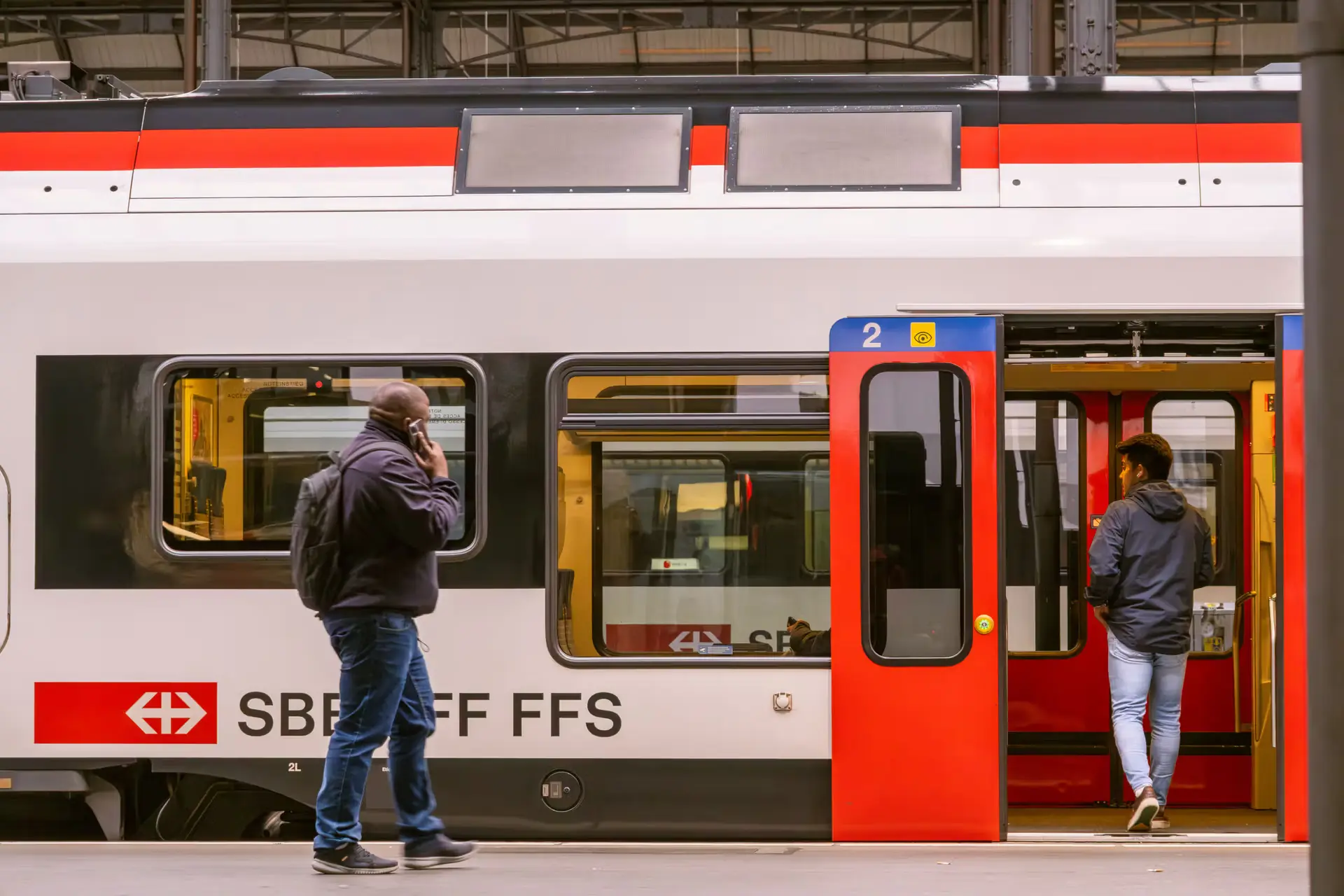
The Swiss self-image is inextricably linked to the red second hand of the national railway clock. In a nation that profits handsomely from its geopolitical detachment while maintaining an undeniably robust state infrastructure, the expectation of absolute precision is almost a civic religion. Yet, even in this wealthy, highly educated Alpine fortress, human fallibility occasionally disrupts the meticulously planned timetable. Sometimes, the famously punctual train simply glides past the platform without touching the brakes.
An internal statistical review from the state railway operator SBB, brought to light by regional media, exposes a minor but amusing flaw in the system. Over the course of the years 2024 and 2025, train drivers suffered momentary lapses in geographical awareness, bypassing scheduled stops entirely. The undisputed capital of these phantom stations is Kemptthal, a modest transit point in the canton of Zurich. Commuters waiting on these platforms watched their scheduled connections rush by a full twenty times over the two-year period.
The phenomenon is not entirely isolated to the Zurich hinterland. Liestal, situated in the canton of Basel-Landschaft, claimed the second spot on this peculiar podium with fourteen ignored stops. Pully, nestled in the francophone canton of Vaud, experienced ten such drive-throughs. The sheer density of the Swiss railway network, often lauded as a triumph of state planning, apparently creates cognitive overloads for the drivers operating within the relentless rhythm of the schedule.
The state railway operator naturally attempts to contextualise these operational hiccups. An official representative stated that erroneous drive-throughs occur very rarely across the SBB network overall. The company calculates that merely one in every 170,000 scheduled stops falls victim to driver amnesia. Management attributes these lapses to a mixture of station confusion, abrupt operational adjustments, and the overwhelming intricacy of a highly synchronised transit grid.
There is a certain irony in a wealthy, hyper-organised society stumbling over the basic task of halting a carriage. Switzerland possesses a formidable public sector and an economy that reliably hums along, largely insulated from the bureaucratic turbulence of the surrounding European Union. Yet, the naive belief that a perfectly funded infrastructure guarantees flawless execution is regularly punctured by reality. Every missed stop is followed by a mandatory debriefing between management and the offending driver, a predictably administrative approach to maintaining order. The system eventually corrects itself, but not before leaving a handful of frustrated passengers on a quiet platform in Kemptthal, watching their perfectly punctual train disappear into the distance.
Written by Andreas Hofer andreas.hofer@alpineweekly.com