
Oct 16, 4:01 AM
The Petroleum Miracle on Synthetic Ice
Driven by hail damage and ecological zeal, Swiss towns are trading real ice for plastic slabs, substituting energy costs with oil-based compromises.
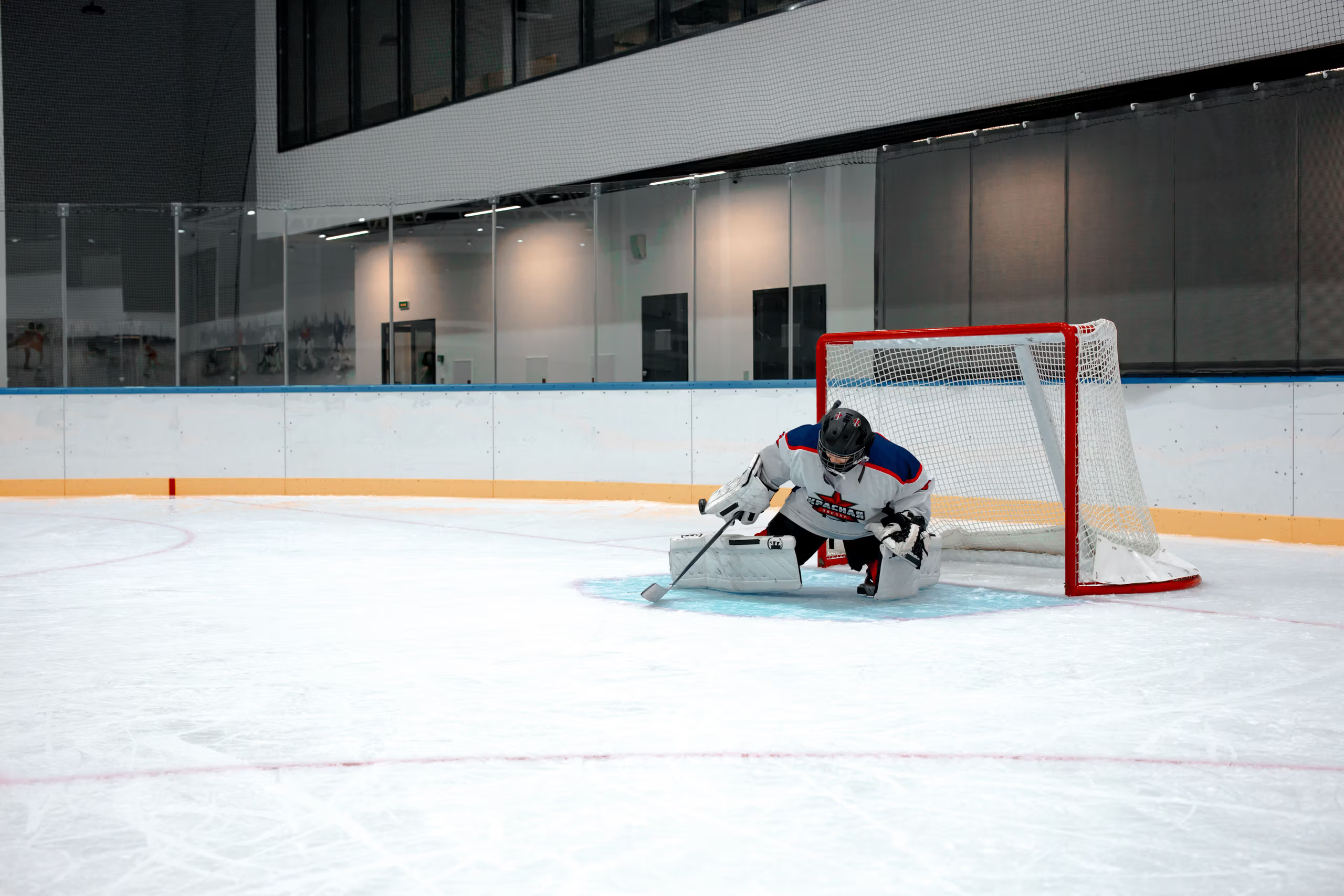
A sudden hail storm damaging the roof of the Hirslen ice hall was all it took for the Zurich municipality of Bülach to embark on a ninety-day experiment in ecological pragmatism. Deprived of their traditional winter facility, local officials opted for a synthetic plastic rink as a temporary substitute. If local sports clubs and schools embrace the alternative, municipal leaders may well replace the city's permanent outdoor refrigerated rink with plastic panels altogether.
The financial and environmental mathematics appear undeniably attractive on paper. Running a standard refrigerated ice rink requires an unending supply of power and water, particularly during mild winter spells. Manufacturer calculations suggest that replacing a conventional ice surface for eighty-nine days saves roughly 52,000 kilowatt-hours of electricity—equivalent to the annual consumption of up to twenty average four-person households—along with 37,000 liters of water and 26 tons of carbon dioxide equivalents.
Yet, Swiss enthusiasm for easy technological fixes often overlooks the broader ledger. Polyethylene, the material forming the foundation of synthetic rinks, is a refined crude oil product. Producing a single square meter of these plastic sheets generates around 16 kilograms of carbon emissions, completely uncounted in operating figures. Environmental groups like the WWF have previously highlighted the environmental risks associated with microplastic abrasion caused by sharp skate blades. Although developers like Ricardo Signorell have attempted to bypass this issue in Bülach by mounting small steel rollers under regular skates, independent lifecycle comparisons between refrigerated ice and oil-derived substitutes remain non-existent.
Beyond the ecological ledger lies the stubborn reality of athletic performance. A 2016 trial in Zurich left skaters underwhelmed, as sliding across synthetic surfaces required considerably more physical effort than gliding over real ice. Subsequent trials in 2024 conceded that plastic cannot replace true ice for serious athletics, functioning instead as a niche solution for school groups or temporary urban installations. Bülach's winter experiment illustrates a quintessential Swiss impulse: an eager willingness to embrace synthetic solutions to save power, even if it means skating on petroleum.
Written by Andreas Hofer andreas.hofer@alpineweekly.com


