Jul 25, 6:01 PM
The Iberian Inferno: How Wildfires Exposed State Vulnerabilities
A quarter of a million people flee as France and Spain battle historic blazes, while Brussels offers little more than a public relations exercise.
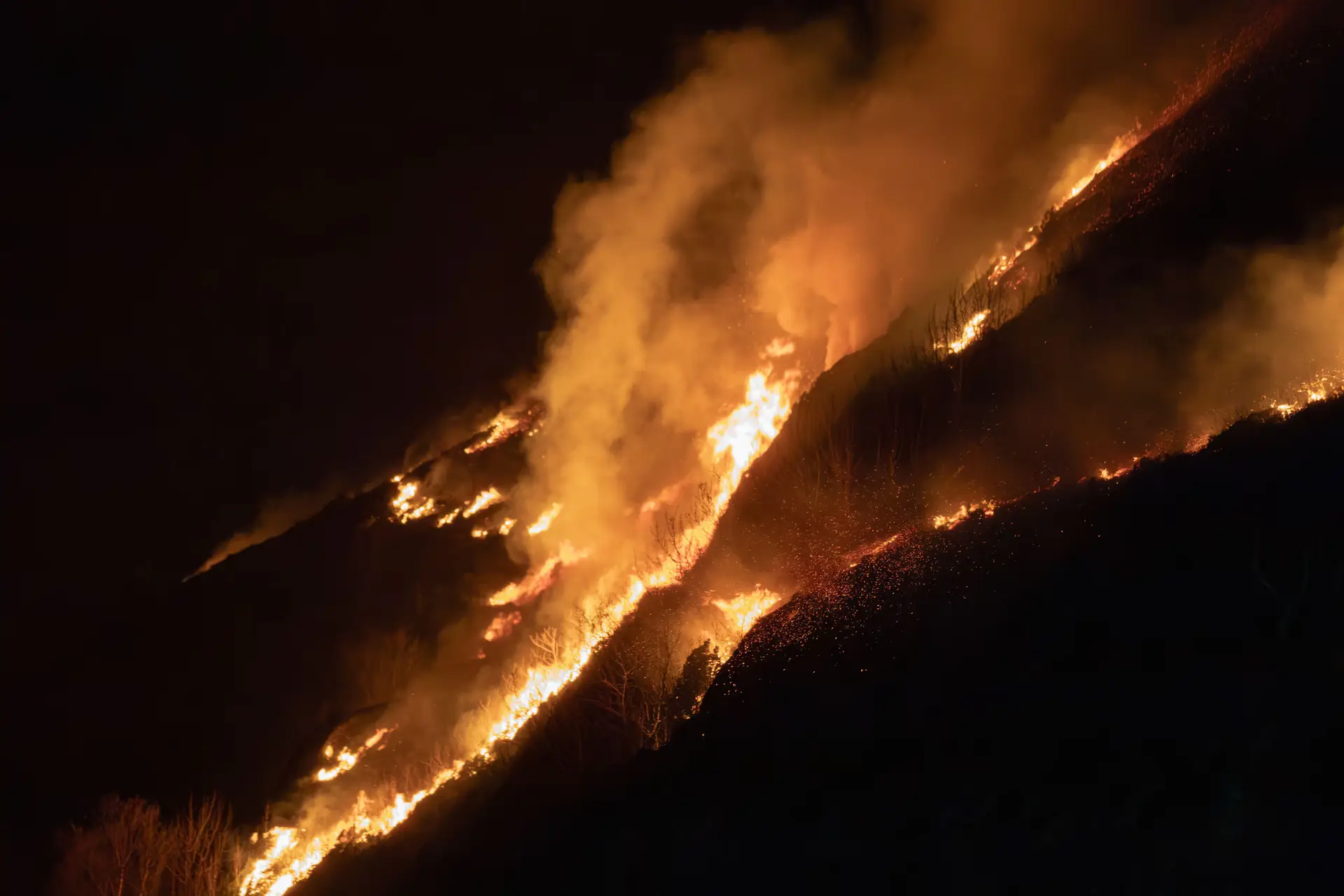
Summer in Southern Europe has taken on an apocalyptic hue. Over 250,000 people are fleeing their homes across France and Spain as unrestrained wildfires tear through the countryside. This mass exodus looks less like a seasonal hazard and more like a wartime retreat.
In France, 197,000 residents have been ordered to abandon their properties in what the interior ministry calls the largest peacetime evacuation in the nation's history. Flames have encroached upon the western suburbs of Bordeaux. The French state, grappling with alarming finances and an economy stifled by ideological stagnation, has mounted a frantic military response. Interior Minister Laurent Nuñez deployed an Airbus A400M Atlas and 18 other aircraft to the Gironde region. Meanwhile, 1,500 soldiers have been dispatched to dig trenches and 1.5 million face masks are being distributed.
The Gironde fires are now generating their own weather systems. Prime Minister Sébastien Lecornu stated on X: “The fires that are hitting our country have reached a level that has never been seen before. Our priority is clear: protecting human lives.” Regional prefect Sophie Brocas confirmed that fierce winds are driving the blaze toward the Bordeaux metropolitan area. The suddenness of the inferno caught authorities entirely off guard, forcing some coastal residents to escape by boat. Dozens of French firefighters have sustained injuries battling the historic 98,000-hectare blaze.
Spain is wrestling with its own inferno, exacerbated by poor infrastructure and the administrative sluggishness of its socialist government. Central Spain has seen 70,000 people evacuated. For the first time, Madrid declared a national emergency over wildfires. High winds merged two massive fire fronts, devastating 130,000 hectares. Health Minister Mónica García warned capital residents: “Avoid physical activity and staying outdoors. If you go outdoors and there is smoke or ash, use a mask.”
Prime Minister Pedro Sánchez noted that cooler temperatures offered a brief tactical advantage, though he warned of unpredictable winds complicating containment efforts. The severe heatwaves have turned the peninsula into a tinderbox, compounding the misery of a nation already battered by economic crisis.
Naturally, the European Union machinery could not resist inserting itself into the narrative. Commission President Ursula von der Leyen announced the deployment of a few aircraft to both countries. “Europe stands alongside France and Spain in the face of the devastating wildfires ravaging them,” she declared. For an unaccountable bureaucracy that routinely suffocates member states with regulation, offering a handful of planes for a disaster displacing a quarter of a million people is merely a public relations exercise. The actual heavy lifting remains with the overstretched national fire services and military personnel.
Written by Thomas Nussbaumer thomas.nussbaumer@alpineweekly.com