Jun 19, 6:05 PM
The Hunter's Competition: Valais Seeks to Cull the Lynx
A successful reintroduction program has resulted in a bureaucratic battle over who gets to shoot the local deer.
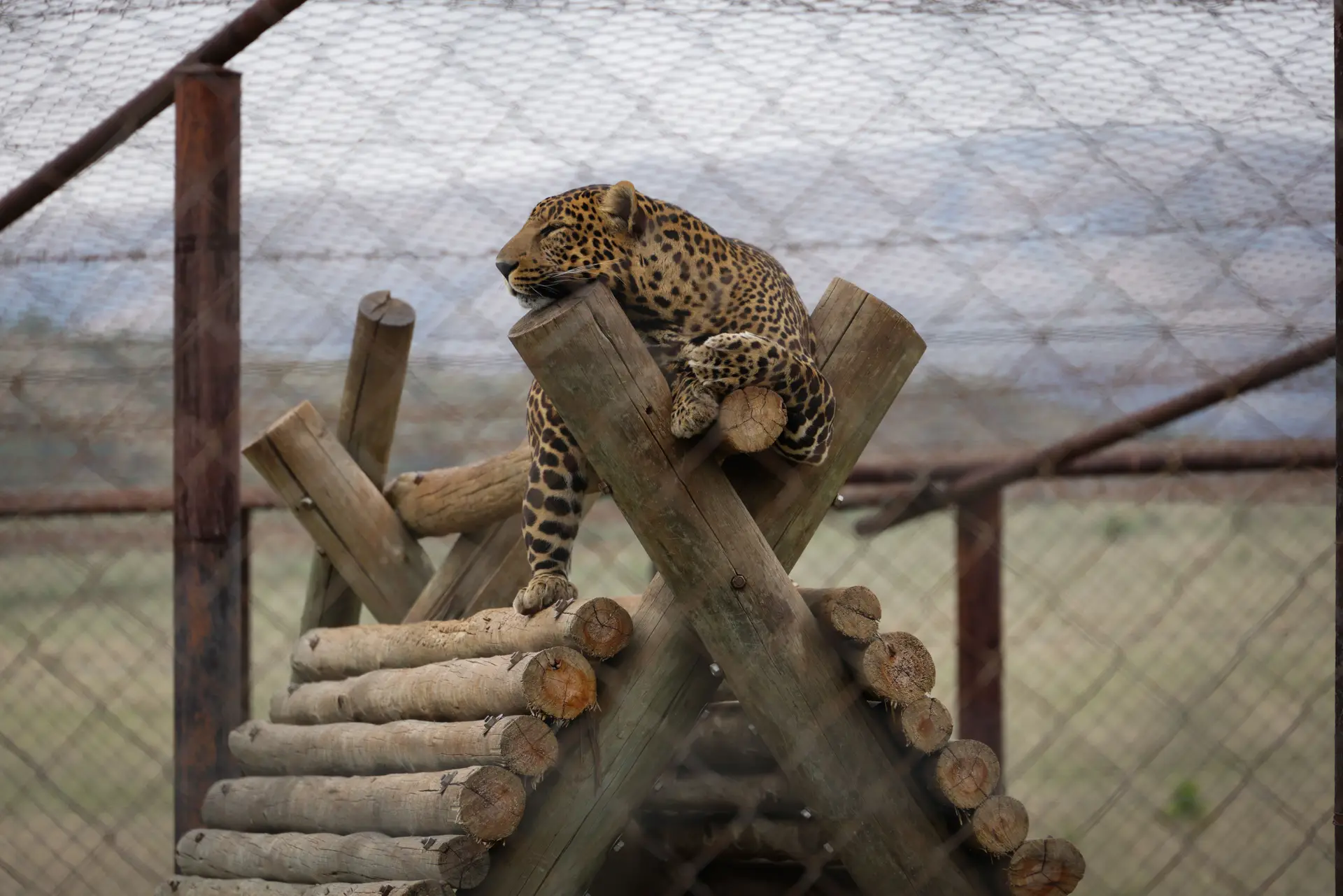
Wildlife conservation is a lovely concept until the conserved wildlife starts eating the local hunting quota. A century after the lynx was declared extinct in Switzerland, a 1970s reintroduction program has proven perhaps a little too successful for the canton of Valais. The Alpine region is now preparing an unprecedented request to the federal government: they want permission to shoot the protected predator. The grievance is not that the elusive cat is terrorising livestock, but rather that it is developing an inconvenient appetite for deer and chamois.
The mathematics of the situation are straightforward, even if the ecological implications are contested. According to the predator ecology foundation Kora, the lynx population in the Upper Valais has grown from three individuals in 2020 to at least thirteen today. In the Lower Valais, numbers doubled from roughly twenty in 2017 to over forty five years later. Local hunting associations report a noticeable decline in hoofed game, and while they acknowledge multiple factors at play, the correlation with the growing feline presence is heavily implied.
State Councilor Christophe Darbellay is spearheading the initiative to thin out the predator's ranks. The canton plans to restrict the upcoming deer hunting season but argues this measure alone is insufficient to restore ecological balance. Consequently, Valais intends to compile scientific evidence demonstrating severe predatory damage to game populations. This dossier will be submitted to the Federal Office for the Environment by the end of the summer, seeking a culling permit for the winter.
Environmental groups view the entire enterprise with deep suspicion. The lynx remains on the federal red list of highly endangered mammals, and conservationists argue the current population is far from problematic. Representatives from Pro Natura point out that local hunters still shoot around one thousand deer annually. From their perspective, the predator is merely performing its natural function by keeping game moving and preventing forests from being overgrazed. If there is a shortage of deer, they suggest, the humans holding the rifles might be the more obvious culprits.
The impending bureaucratic clash highlights a peculiarly Swiss dilemma. The country prides itself on its pristine nature and well-ordered state system, but struggles when wild animals refuse to adhere to local expectations. Securing a federal culling permit requires clearing exceptionally high evidentiary hurdles. Bern will scrutinise the unprecedented application with characteristic administrative thoroughness, leaving the canton to prove that a wild predator eating wild prey is somehow an ecological crisis rather than the natural order reasserting itself.
Written by Sandy van Dongen sandy.vandongen@alpineweekly.com