
Aug 9, 12:01 PM
The Hollow Triumph of South Africa’s Women’s Day
Seventy years after a historic march against apartheid, progressive laws and parliamentary quotas mask a grim reality of economic stagnation and epidemic violence.
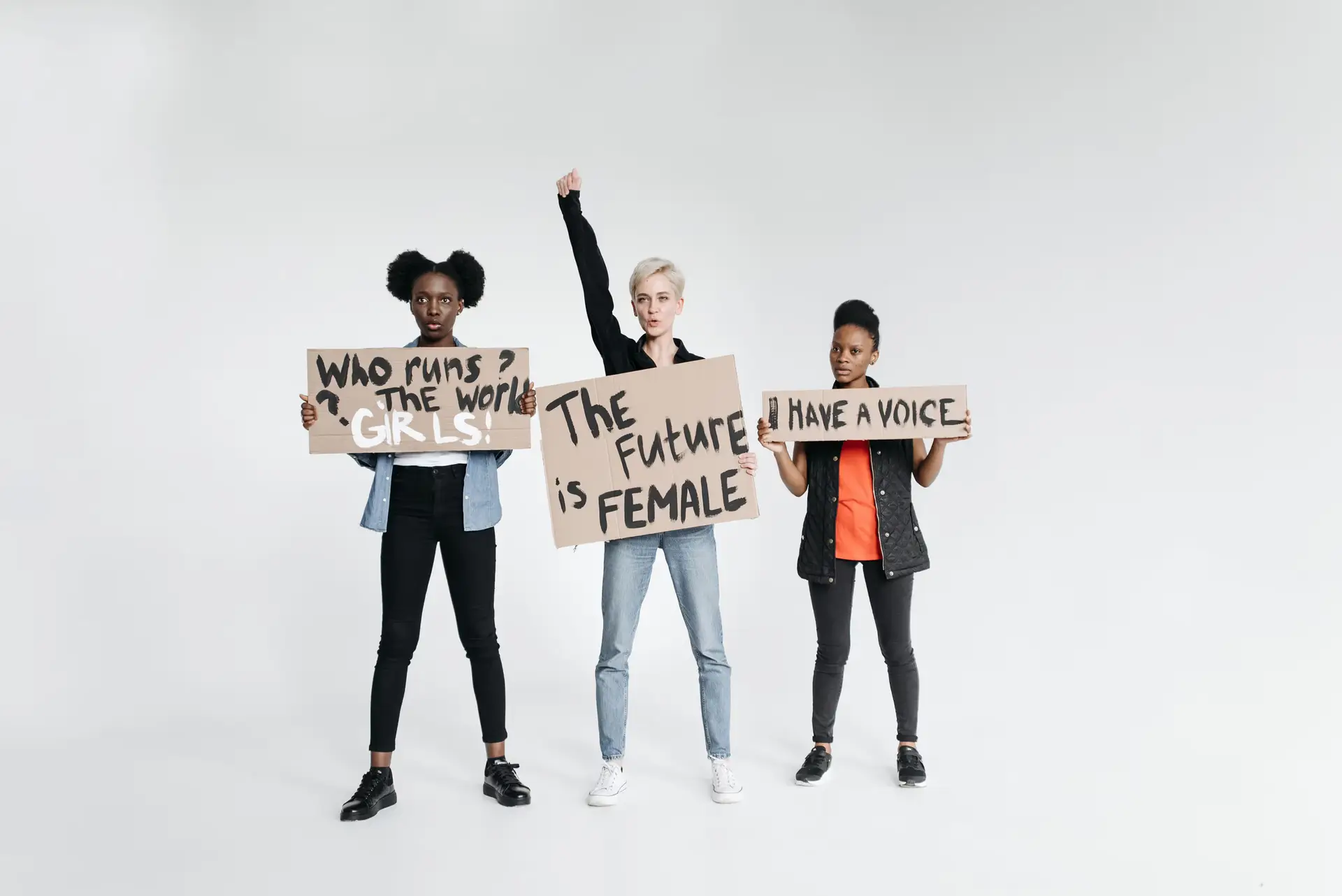
South Africa is marking the seventieth anniversary of its defining feminist milestone: the August 1956 march against the apartheid regime’s draconian pass laws. The date, now enshrined as Women’s Day, commemorates the moment when the Federation of South African Women and the African National Congress mobilized twenty thousand women to protest legislation restricting their movement. It was a formidable display of grassroots organization at the Union Buildings in Pretoria. Yet, seven decades later, the annual commemoration feels increasingly like an empty ritual, exposing a glaring disconnect between the country's progressive legal architecture and the grim realities of daily life.
On paper, the legacy of 1956 looks like a resounding triumph. Following the transition to democracy, the veterans of that march helped engineer a political system that heavily prizes representation. Today, women constitute roughly 45 percent of parliamentarians and hold 44 percent of ministerial portfolios. The nation boasts highly advanced legislation concerning reproductive rights, customary law, and workplace protections. However, this legislative scaffolding has largely benefited a newly minted middle class, allowing a select elite to enjoy privileges once exclusively reserved for the white minority.
For the millions of women residing outside these affluent enclaves, the governing African National Congress has delivered little more than symbolic victories. Formal equality has proven utterly insufficient against a backdrop of structural economic dysfunction and societal decay. High unemployment rates disproportionately punish women in impoverished communities, effectively nullifying the rights they hold in theory. The failure to reform the underlying economic structures has left the working class immobilized, arguably just as trapped by poverty today as their predecessors were by apartheid pass laws.
The most damning indictment of this political failure is the pervasive threat of physical harm. A national study on gender-based violence revealed that a staggering 33.1 percent of South African women over the age of eighteen have experienced physical abuse. Alarmingly, one in five surveyed men admitted to committing physical or sexual violence against an intimate partner. Progressive marriage laws and parliamentary quotas offer no shield against a society where law enforcement is weak and economic desperation is rampant.
The original marchers of 1956 possessed a clear understanding of how political oppression affected their daily survival. They demanded tangible liberties, not just seats at the legislative table. As modern South Africa reflects on this anniversary, the political establishment must recognize that drafting elegant legal frameworks is merely a superficial fix. True emancipation requires building a functioning economy that lifts millions out of poverty and maintaining a state capable of guaranteeing basic physical safety. Until the material conditions of ordinary citizens improve, Women’s Day will remain a monument to past courage rather than a reflection of present achievement.
Written by Sandy van Dongen sandy.vandongen@alpineweekly.com