juil. 8, 8:01 AM
L'illusion coûteuse de la pureté botanique
La Suisse dépense 60 millions de francs par an pour lutter contre les plantes étrangères. Le changement climatique rend cette croisade puriste de plus en plus naïve.
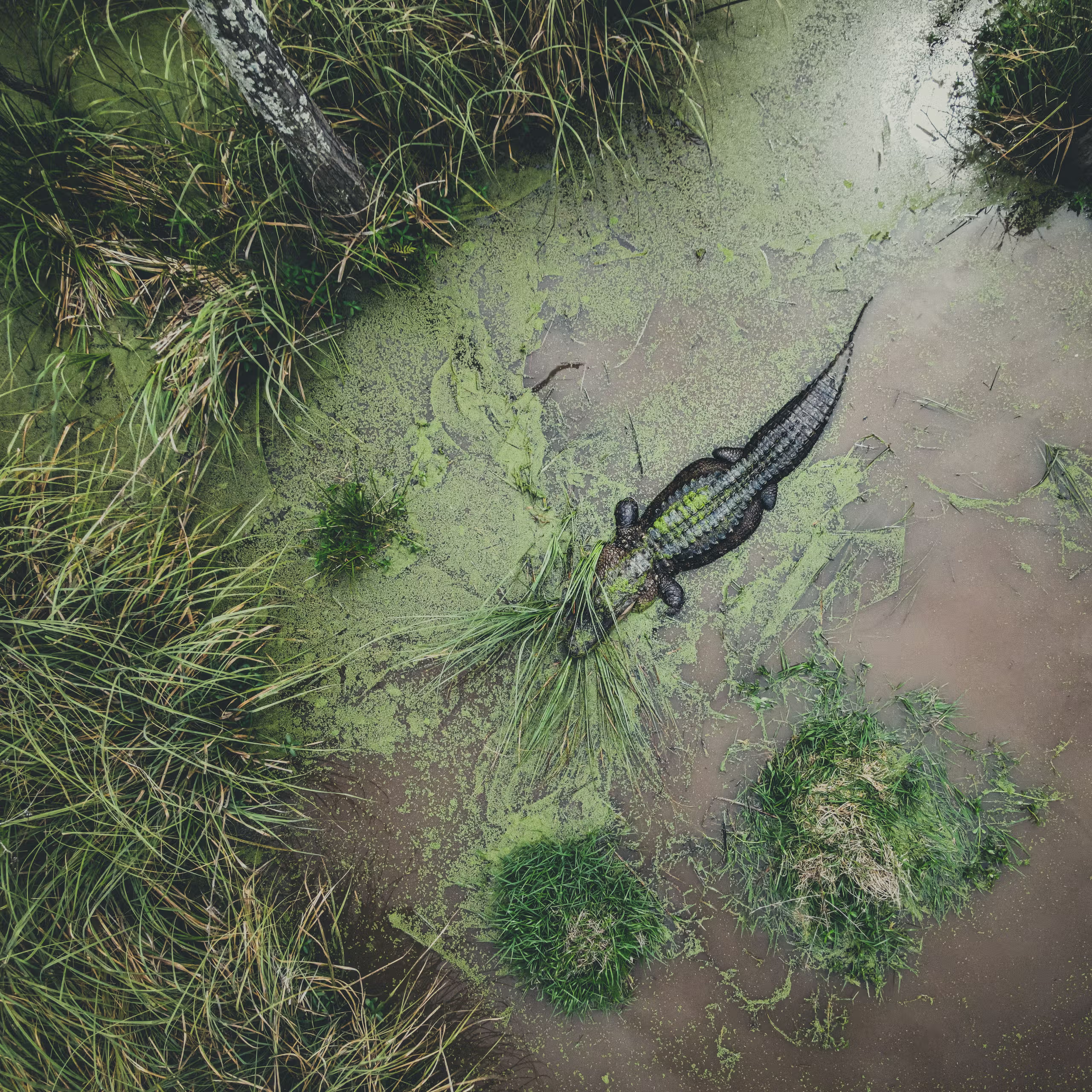
La Suisse est une nation riche, et elle dépense fréquemment son capital à entretenir une illusion d'ordre immaculé et immuable. Chaque année, le gouvernement fédéral, les cantons et les municipalités allouent environ 60 millions de francs pour mener une guerre contre les plantes étrangères. L'objectif est de déraciner les soi-disant néophytes avant qu'elles ne perturbent la flore locale. Pourtant, alors que les températures augmentent et que les espèces indigènes luttent, ce purisme botanique bien financé commence à paraître plutôt naïf.
Les autorités ont récemment renforcé les contrôles d'importation, alarmées par la facilité avec laquelle les citoyens peuvent commander des plantes exotiques de Chine. Pour des organisations comme Infoflora, le centre national de données sur la flore, la priorité est d'empêcher totalement la végétation indésirable d'entrer dans le pays. La co-directrice Brigitte Marazzi décrit la mission comme une question de contrôle strict des dommages. Elle note que l'accent est mis sur la prévention maximale des dommages économiques et liés à la santé. Il y a certainement un argument valable pour une éradication ciblée. L'ambroisie nord-américaine, ou Ambrosia, déclenche de graves allergies et est agressivement pourchassée par l'État jusqu'à son extinction.
Mais le filet réglementaire est jeté bien plus largement que quelques mauvaises herbes allergènes. La Suisse a récemment interdit la vente et la distribution du laurier-cerise, un arbuste à feuilles persistantes très populaire. Lea Minzloff du groupe de conservation Pro Natura justifie cette interdiction par le fait que la plante conserve ses feuilles pendant l'hiver, privant ainsi les fleurs printanières indigènes de lumière solaire. On craint que les forêts ne deviennent à terme des monocultures de laurier-cerise. C'est un argument conservationniste classique, enraciné dans le désir de figer les écosystèmes dans leur état historique.
Le climat, cependant, ne se soucie pas de la préservation historique. Vincent Fehr, écologiste à l'Institut fédéral suisse de recherches sur la forêt, la neige et le paysage (WSL) au Tessin, suggère que la dichotomie traditionnelle entre bonnes plantes indigènes et mauvaises plantes étrangères est complètement obsolète. Les espèces indigènes sont déjà en difficulté sous le stress climatique. Fehr cite les châtaigniers du Tessin, qui succombent aux maladies et à la chaleur, laissant d'énormes lacunes écologiques. Il soutient que des néophytes résistantes à la chaleur pourraient intervenir pour stabiliser les forêts et les coteaux où la végétation indigène a cédé.
Marazzi concède que toutes les plantes étrangères ne sont pas une menace. Les espèces qui migrent naturellement des pays voisins en raison des zones climatiques changeantes ne sont pas classées comme néophytes ; leur propagation est simplement acceptée comme une réalité biologique. Fehr préconise d'étendre ce pragmatisme à des arrivées plus exotiques. Il soutient que l'objectif ultime doit être la résilience de l'écosystème, ce qui nécessite un mélange robuste d'espèces indigènes et non indigènes plutôt qu'une stricte ségrégation botanique.
Le système étatique suisse, efficace mais souvent rigidement bureaucratique, pourrait bientôt constater que son budget d'éradication mène un combat perdu d'avance contre l'évolution écologique. S'accrocher à un paysage idéalisé, purement indigène, est un luxe coûteux. À mesure que l'environnement se transforme, l'adaptation pragmatique devra inévitablement l'emporter sur le désir d'un jardin alpin intouché.
Écrit par Andreas Hofer andreas.hofer@alpineweekly.com
Dernières nouvelles