
Oct 14, 10:01 AM
The Drying Water Castle: A Swiss Mountain Municipality Runs Low on Water
As alpine springs dry up in Grisons, Domleschg prepares to truck in drinking water—hoping tourists will kindly save what remains.
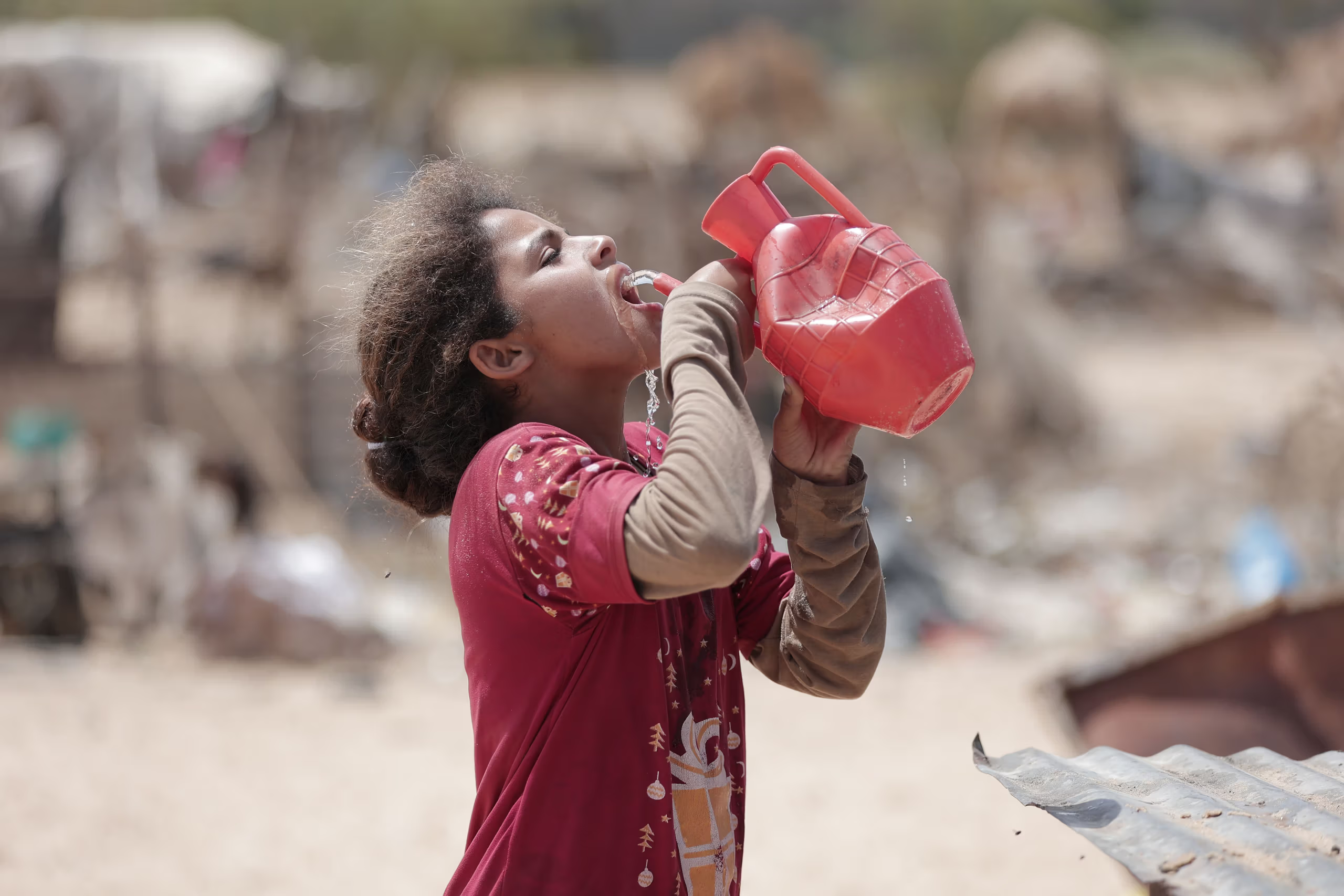
For decades, Switzerland has comfortably cultivated its reputation as Europe’s water tower, an alpine sanctuary where pristine water flows without second thought from every village fountain. That comforting narrative is currently meeting a rather grounded reality in the Grisons municipality of Domleschg. As local springs continue to shrink after months of drought, local authorities are preparing for a pragmatic workaround: hauling drinking water up to the mountain villages of Feldis and Scheid by the truckload.
Should current trends persist, spring yields in Feldis will fall short of demand by early November, with Scheid following by mid-December. The municipal strategy relies on temporary infrastructure. The municipality plans to rent mobile drinking water silos alongside a heavy transport vehicle, taking advantage of a staff member who already holds a heavy transport driving license to keep costs within limits. Each mountain ascent will carry roughly 25,000 liters of water from the valley below to shore up the village supply.
While municipal leadership frames the measures as a controlled safety net, the upcoming winter holiday season poses a formidable challenge. Influxes of winter tourists routinely push daily consumption in Feldis up to 200 cubic meters—more than triple the standard demand. To manage this gap, officials are relying heavily on voluntary water-saving efforts, placing immense faith in the self-discipline of holidaymakers and residents alike.
At a recent community meeting attended by around a hundred residents, local acceptance was high, though doubts surfaced regarding whether temporary guests would truly curb their usage. The situation in Domleschg demonstrates that even regions traditionally rich in natural resources are no longer immune to supply bottlenecks. When local abundance fails, even wealthy alpine enclaves must fall back on diesel trucks and moral appeals.
Written by Andreas Hofer andreas.hofer@alpineweekly.com


