Jun 4, 8:03 PM
The Container Solution: Lucerne's Pragmatic Answer to Prison Overcrowding Faces Scrutiny
Inmates in Switzerland's first long-term container prison report inhumane conditions, raising questions about a model other cantons hope to adopt.
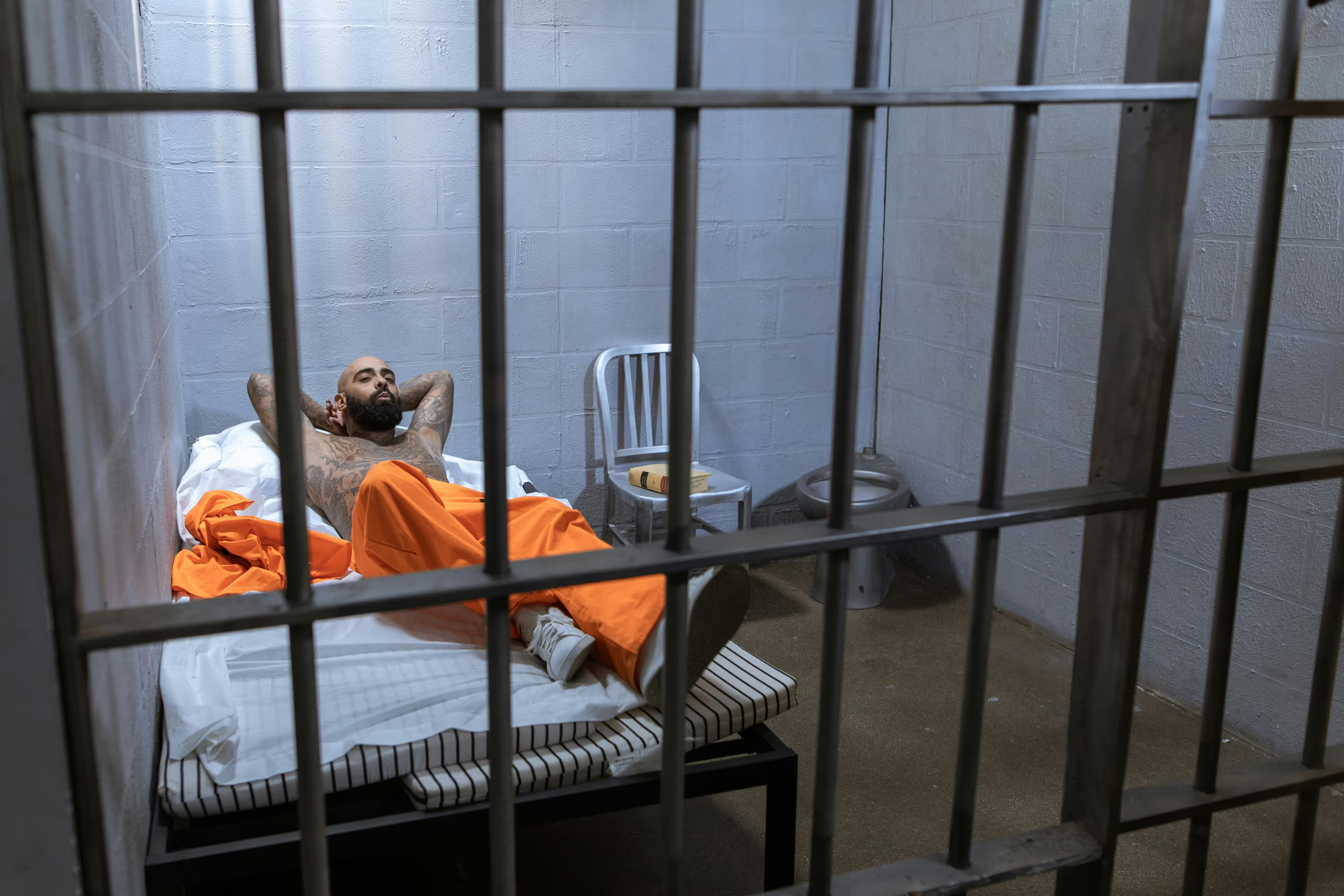
When a state runs out of space for its prisoners, creativity is required. In Switzerland, a country not typically associated with improvised solutions, this has taken the form of shipping containers. The facility in Wauwilermoos, Canton Lucerne, is the first of its kind for long-term sentences, a prototype for other cantons like Bern and Ticino grappling with record-high inmate populations. It is a pragmatic, if aesthetically uninspired, answer to a pressing problem. But for those living inside, pragmatism feels a lot like neglect.
Reports from current and former inmates, collected by SRF Investigativ and relayed through the human rights organization Humanrights.ch, paint a grim picture. Seven individuals have lodged a formal complaint, describing life in the container annex as intolerable. They speak of a near-complete absence of privacy, where even a visit to the toilet can be interrupted by a guard's unannounced entry. A single small common room serves twenty men for cooking, phone calls, and television, predictably leading to significant tension.
The complaints extend beyond social friction. Cells are reportedly damp with condensation, and noise and light bleed through gaps under the doors. Hot water is apparently a luxury not always available to everyone. These are not the conditions one associates with a country that prides itself on order and quality. For inmates in open detention, theoretically the last step before reintegration into society, the environment is described as counterproductive. Several have stated they would prefer a return to a closed prison over life in the container.
Officialdom, as is its custom, has responded with a mixture of acknowledgement and deflection. The prison oversight commission initially found no evidence of “systematic deficiencies,” though its president later conceded that some issues were known and others were new. The Justice Department of Canton Lucerne insists it is committed to humane detention. It points to the installation of extra telephones, a new policy of turning off pavilion lights at night, and a fix for the condensation problem that conveniently became apparent only during the winter. As for the lack of hot water, the blame is placed on inmates who shower for too long. The open toilets are admitted to be not optimal, and a solution is supposedly being sought.
This bureaucratic response does little to satisfy legal experts. Thierry Urwyler, a professor of criminal law, suggests the accumulation of these deficiencies could cross the line into inhuman treatment, particularly for men serving long sentences. The European Court of Human Rights has already censured Switzerland on detention-related matters, and the European Prison Rules, which Swiss authorities claim to follow, explicitly protect an inmate's privacy in sanitary facilities. Professor Urwyler rightly questions whether containers can ever be a sustainable solution for long-term imprisonment. Perhaps the real solution lies not in building cheaper boxes, but in examining who we lock up in the first place, such as those who have simply failed to pay a fine.
Written by Martina Kirchner martina.kirchner@alpineweekly.com