Jun 22, 2:04 PM
The Climate Migrants Bringing Spring to Bern
A warming climate and protectionist agriculture have triggered an unprecedented stork boom across Switzerland.
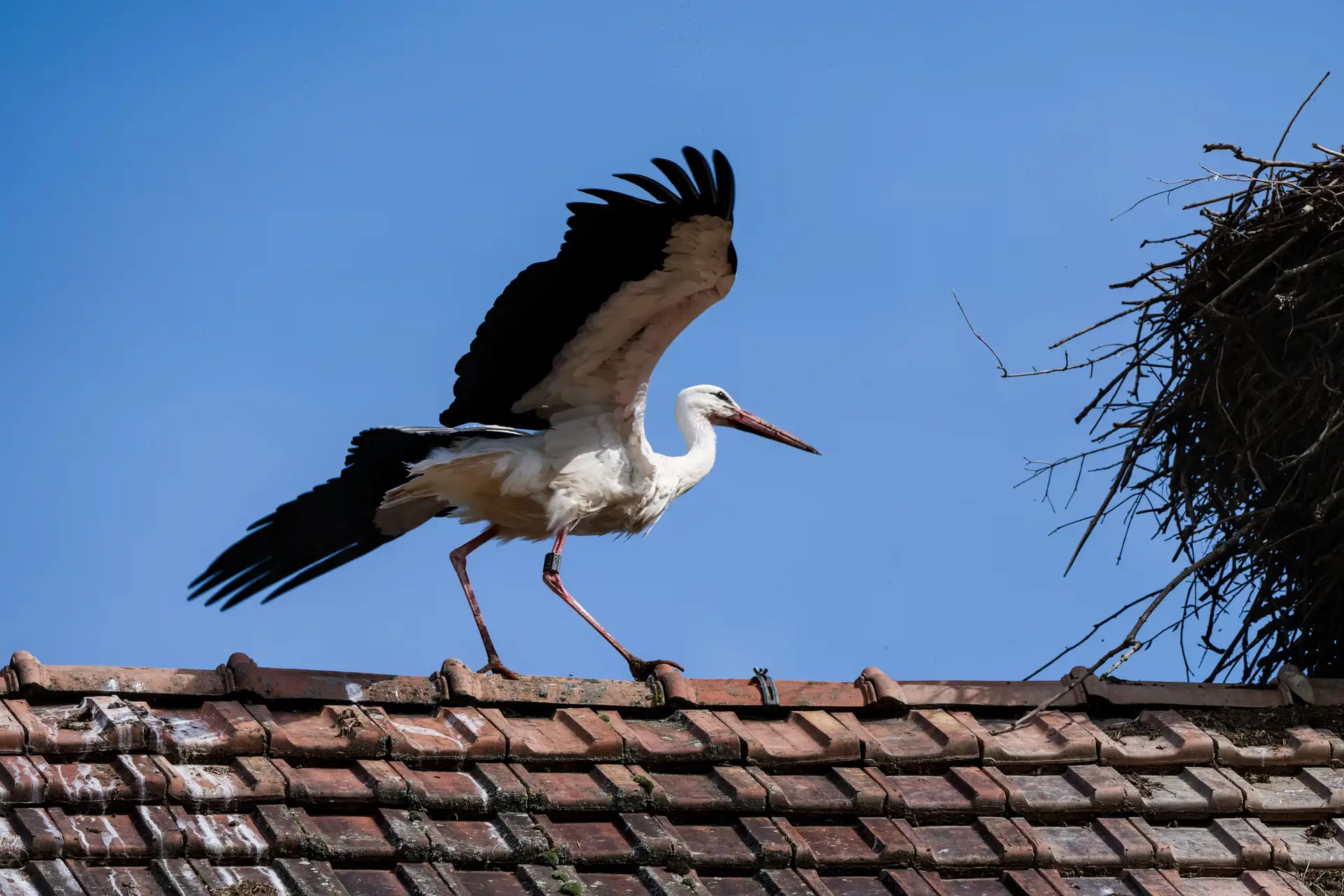
The white stork, long relegated to the realm of folklore and a handful of isolated sanctuaries, has decided that the Swiss capital is prime real estate. At the National Equestrian Centre in Bern, the avian population has doubled within a single year. Twelve breeding pairs, accompanied by an equal number of offspring, have established residency.
This local boom is merely a symptom of a broader national trend. Half a century ago, Switzerland could barely muster a hundred breeding pairs, with enthusiasts forced to make pilgrimages to designated hotspots like Altreu in the canton of Solothurn. Today, the national census boasts approximately 1,300 pairs.
Nature conservationists might be tempted to claim a grand victory, but the primary architect of this demographic explosion is a rather less popular phenomenon: a warming climate. Milder winters have spared the birds their perilous migration to the south. Instead of crossing the Mediterranean, they simply stay put, feasting on an abundant supply of local mice that now survive the increasingly gentle colder months. The storks have adapted to the changing thermals of European politics and weather alike, capitalizing on conditions that make winter foraging entirely viable.
Yet, climate alone does not explain why these birds favor Swiss soil over neighboring territories. The answer lies in the peculiar nature of the local agricultural landscape. Shielded by a somewhat naive, protectionist state system, the country maintains a patchwork of small-scale farming.
While this economic model often frustrates free-market economists, it inadvertently creates a highly diverse buffet for opportunistic wildlife. Across the border in Germany, vast agricultural tracts dominated by single crops offer little sustenance for a foraging stork. The industrial, bureaucratic approach to farming in the European Union has effectively driven the birds into the welcoming embrace of the Swiss countryside.
According to Storch Schweiz, the organization monitoring these populations, the upward trajectory shows no signs of flattening. The management dismisses concerns about an impending overpopulation, confident that the environment can sustain the current numbers. Naturally, the messy reality of wild animals living in close proximity to urban infrastructure inevitably leads to grumbling among the locals.
Residents are quick to complain about the substantial droppings left on pristine pavements. The Swiss public generally desires the romantic image of the stork bringing spring, provided the birds adhere to strict local hygiene standards. The triumphant return of the species is ultimately a serendipitous collision of rising temperatures and local agricultural quirks, proving that even nature appreciates a wealthy, comfortable haven.
Written by Freya Stensrud freya.stensrud@alpineweekly.com