
Oct 22, 4:01 PM
The Calculus of Marine Extinction
UN advisors project near-total ecosystem collapse for shallow-water reefs by 2075 under realistic warming scenarios.
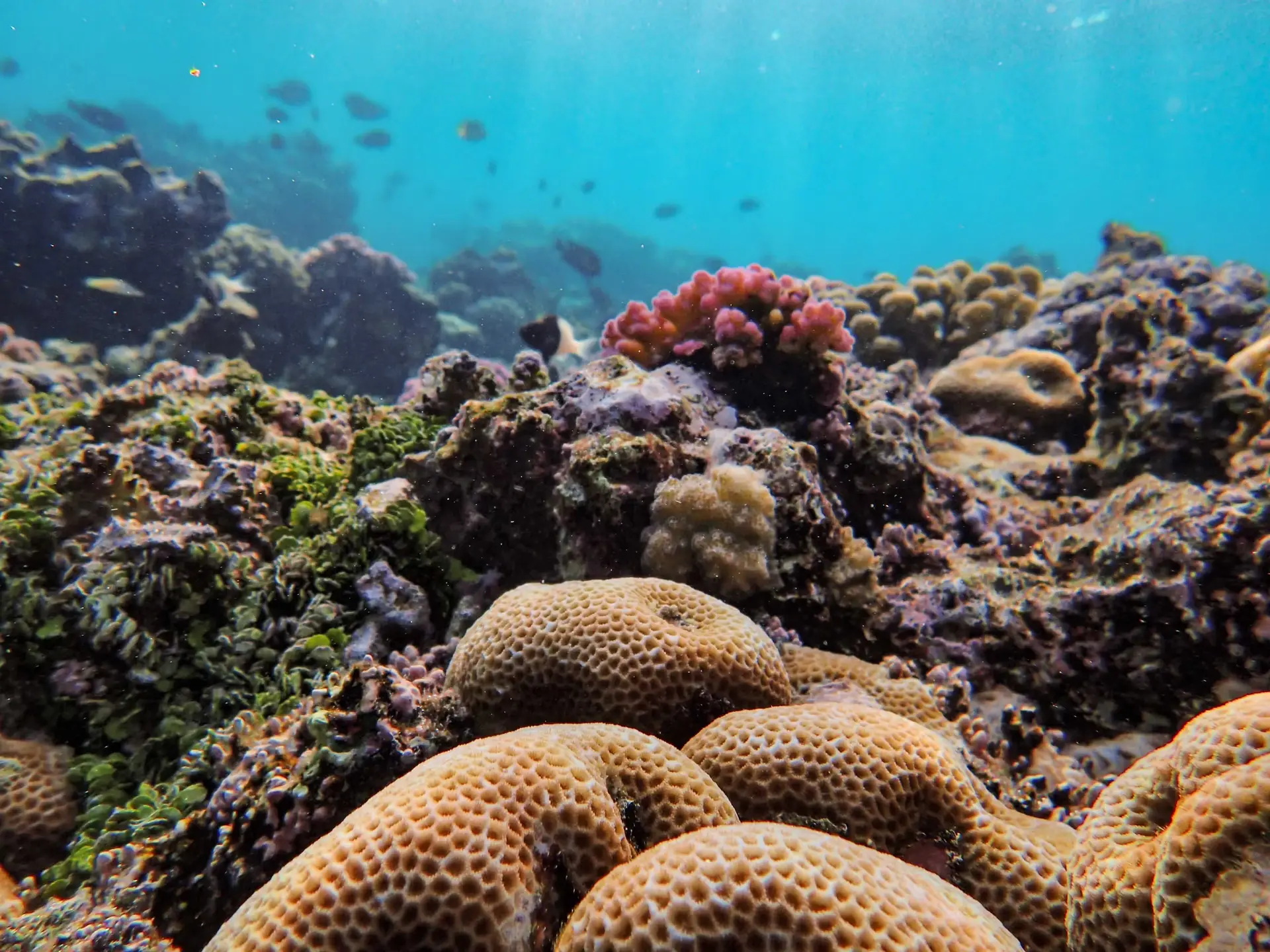
Environmental warnings have a habit of blurring into background noise, but the numbers released by nature advisers to the United Nations are difficult to dismiss as mere rhetoric. According to a comprehensive evaluation coordinated by the International Union for Conservation of Nature, nearly every shallow-water coral reef on Earth is on track for structural collapse within five decades. While roughly 24 percent of these marine habitats across 80 countries are already critically endangered today, factoring in projected temperature increases pushes that figure to a staggering 96 percent by 2075.
The arithmetic rests on a realistic, if uncomfortable, assumption. Modellers evaluated 127 reef regions under a middle-of-the-road scenario resulting in 2.7 degrees Celsius of global heating above pre-industrial levels. Given that current national climate policies put the planet on a trajectory toward approximately 2.6 degrees, the projections reflect status-quo management rather than extreme alarmism. In this context, collapse does not merely signify a loss of aesthetic beauty, but the complete inability of a reef system to maintain its physical structure due to the loss of living, reef-building corals.
The financial and human stakes involved extend well beyond environmental sentimentality. Reefs host a quarter of all known marine species, acting as vital nurseries that sustain local fisheries, safeguard coastlines from erosion, and generate significant tourism revenue. Yet, half a century of overfishing, coastal development, and marine pollution has already severely depleted live coral coverage. Recent thermal stress has accelerated this degradation; a massive global bleaching event spanning from early 2023 to mid-2025 damaged reefs worldwide, including a severe heatwave that devastated corals along 1,500 kilometres of Western Australia.
Australia provides a clear illustration of this systemic vulnerability. Currently, four of the nation’s 17 reef regions are classified as critically endangered, with others categorized as endangered or vulnerable. Under the IUCN projection model, however, all 17 regions—including the Great Barrier Reef—cross the threshold into critical endangerment once climate impacts are included. As researchers noted during the assessment, rising ocean temperatures easily overwhelm the natural capacity of coral species to adapt. In parts of the western Galápagos, reef systems have already crossed this line and collapsed entirely.
Avoiding total structural failure will require stark choices regarding carbon targets and localized management. Officials stress that survival remains theoretically possible through rapid cuts to fossil fuel emissions alongside targeted local conservation efforts. As IUCN Director General Grethel Aguilar stated, It is not too late to give coral reefs a chance to recover, but it requires decisive action to tackle climate change and halt further ocean warming. Whether global policymakers possess the discipline to bridge the gap between target pledges and physical realities remains the central question.
Written by Thomas Nussbaumer thomas.nussbaumer@alpineweekly.com