
Jul 29, 12:02 PM
The Alpine Mirage: Lake Lucerne Runs Dry
Switzerland’s pristine waters survived decades of agricultural runoff, only to surrender to extreme heat and an invasive mussel.
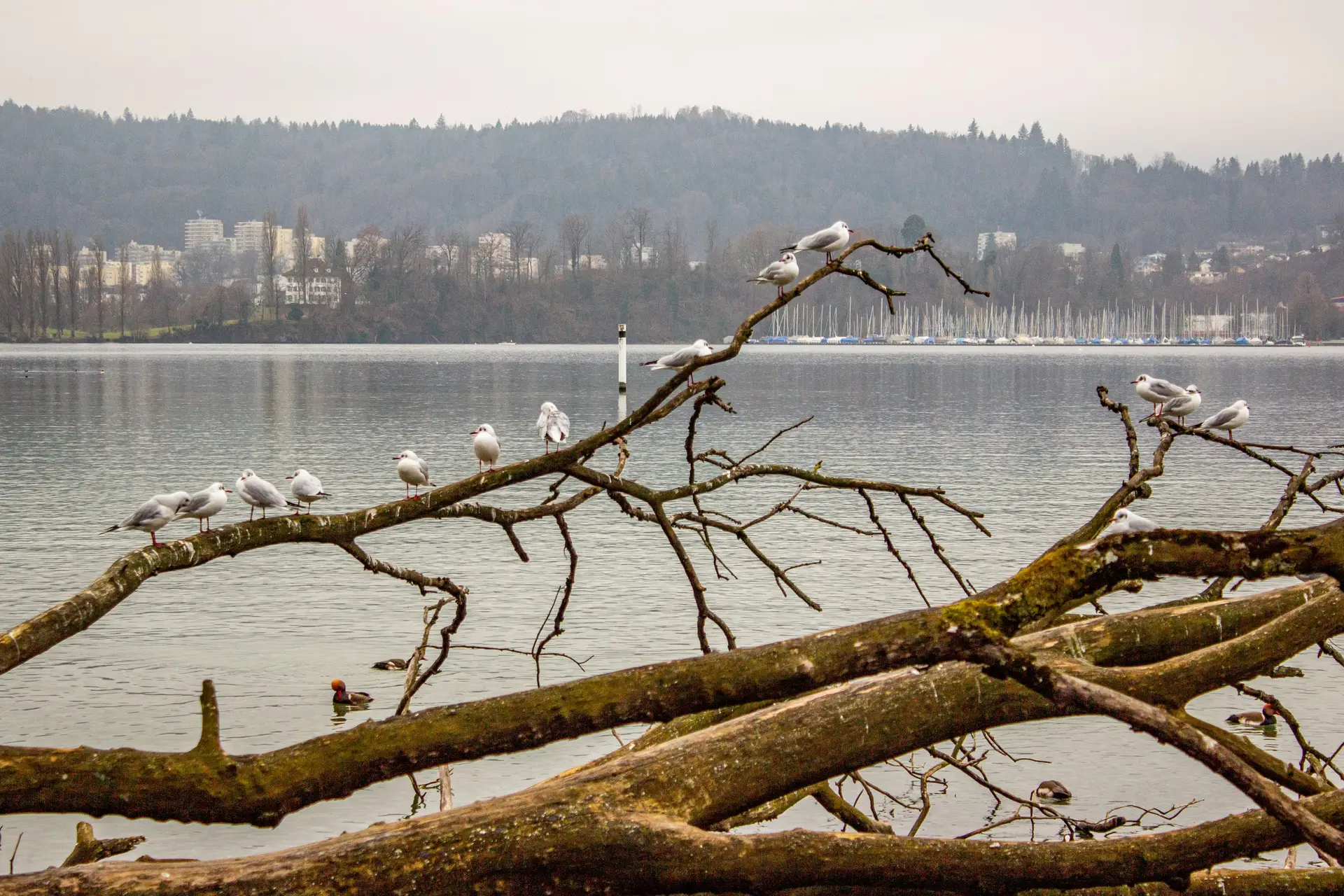
Switzerland has long prided itself on a flawlessly engineered environment. Wealthy, highly educated, and comfortably insulated from the messier realities of its neighbours, the Alpine nation managed to scrub its lakes clean decades ago. Lake Lucerne is the poster child for this civic triumph. Thanks to a massive rollout of wastewater treatment plants in the 1960s and 1970s, the country effectively banished the phosphorus and agricultural runoff that plague lesser European waters. Today, the lake is an ecological model student, benefiting from a vast, largely untouched catchment area.
Yet, nature has a habit of ignoring well-funded state infrastructure. Lake Lucerne is currently running out of water. Prolonged drought has slashed inflows by more than fifty percent, pushing the water level perilously close to the critical intervention threshold. If the dry spell persists, authorities will be forced to artificially restrict the outflow. The immediate victim of this aquatic deficit would be the local shipping industry, which faces severe operational limits in the exceptionally shallow Lucerne bay. A wealthy nation can build all the water treatment facilities it wants, but it cannot manufacture rain.
The heat is compounding the scarcity. By late June, the surface temperature of Lake Lucerne had already spiked to 26.3 degrees Celsius, matching the historic highs of the notorious 2003 summer. While native fish simply retreat to the cooler, deeper layers of the basin, the elevated temperatures are rolling out the red carpet for an unwanted guest. The Quagga mussel, an invasive species first detected in these waters in 2024, thrives in exactly these conditions.
Ironically, the lake's pristine condition is accelerating its own colonization. Researchers at the Swiss aquatic research institute Eawag point out that the excellent oxygen levels in Lake Lucerne provide an ideal habitat for the Quagga mussel. The species requires highly oxygenated water to flourish, meaning the very cleanliness the Swiss so proudly engineered is now facilitating an ecological takeover. One only needs to look at Lake Constance, where the mussel has already conquered depths of up to 250 metres, to understand the trajectory of this invasion.
The situation presents a novel challenge for a country accustomed to solving its problems with modest corruption and massive capital deployment. The Swiss state system functions admirably when dealing with domestic infrastructure, but it appears somewhat naive in the face of shifting global climate patterns. Clear water and cold cash are no longer enough to insulate the Alpine ecosystem from a rapidly warming continent.
Written by Christiane Hofreiter christiane.hofreiter@alpineweekly.com