Aug 9, 10:03 AM
The $100 Million Stench: Bureaucracy and Rotting Meat in Los Angeles
A major warehouse fire has left a neighbourhood smelling like a morgue, prompting local politicians to offer symbolic fines instead of practical solutions.
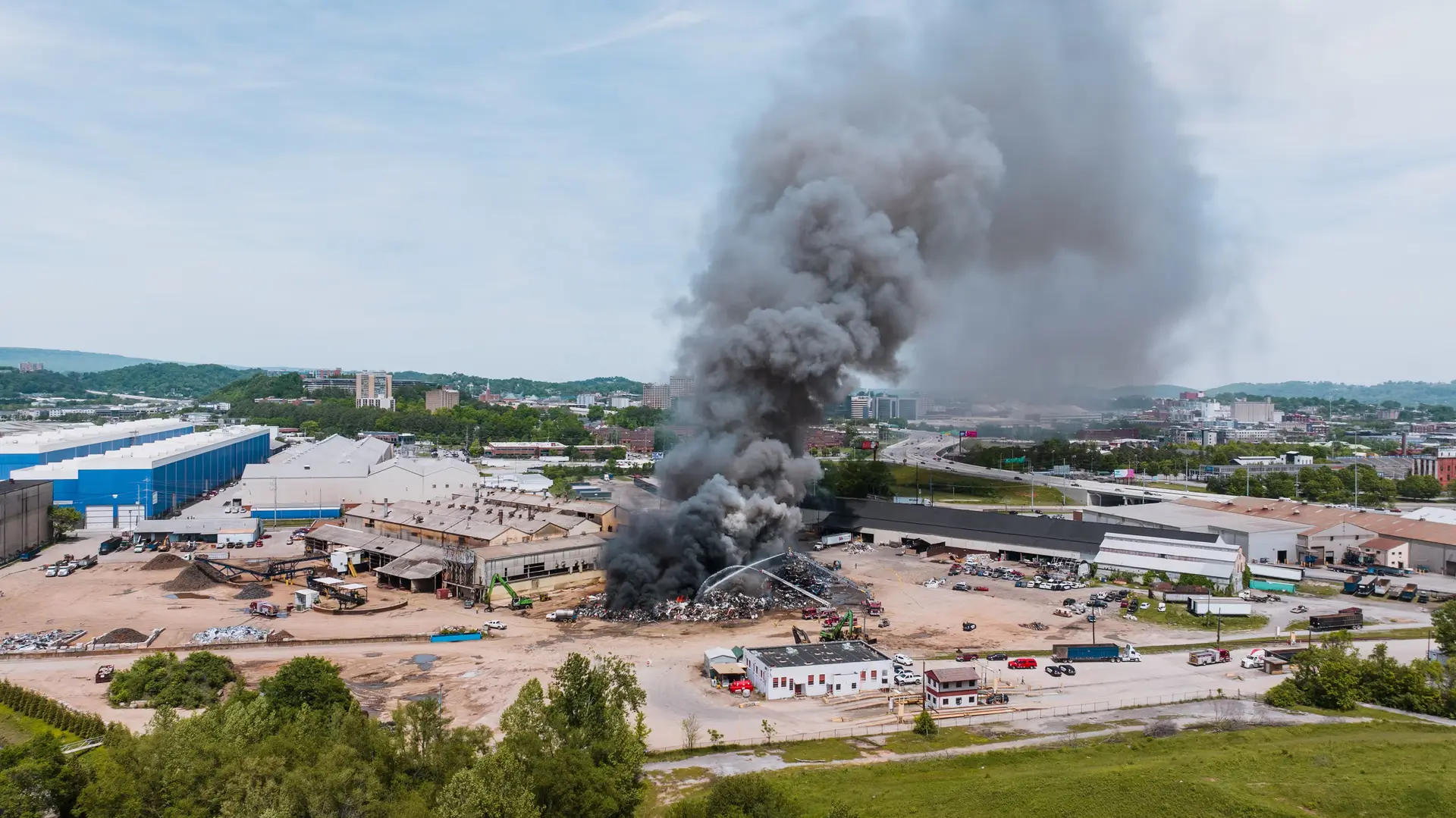
Thirty-nine million kilograms of beef, pork, poultry, and seafood left to bake in the California summer is not merely an environmental hazard; it is an assault on the senses. Nearly two months after a catastrophic June 17 fire gutted a Lineage cold-storage warehouse in the Boyle Heights neighbourhood of Los Angeles, the area still smells faintly of a morgue. Local commerce has ground to a halt. Coffee stands and retail shops sit empty of patrons, their former customers replaced by aggressive swarms of disease-carrying flies and rats that have outgrown standard municipal traps.
Clearing 85 million pounds of putrefying organic matter from a collapsed structure is a logistical nightmare of the highest order. Lineage, the logistics firm responsible for the site, expects the remediation effort to cost between $80 million and $100 million. Dismantling ruined infrastructure while safely extracting biohazardous waste requires specialized crews working in hazardous conditions. By early August, the company reported that 80 percent of the waste had been successfully removed, aiming to meet an August 13 deadline to clear the bulk of the remaining rot.
Naturally, local politicians have sensed an opportunity for righteous indignation. Los Angeles Mayor Karen Bass, conveniently facing a re-election campaign, has stepped in to manage the optics. The county public health department valiantly slapped Lineage with a $500-a-day fine for maintaining unsanitary conditions. One must admire the sheer bureaucratic audacity of levying a daily penalty that amounts to a rounding error on a $100 million cleanup tab.
To bolster her political standing, Bass has distributed air purifiers, deployed mobile health clinics, and written stern letters to the company's shareholders. Residents, public agencies, and elected officials have repeatedly sought timely information regarding the cleanup, remediation, environmental monitoring, and recovery, Bass declared in a recent letter, accusing the firm of delayed communication and insufficient public engagement. The mayor has even gone so far as to halt any future plans to rebuild the warehouse until community safety is guaranteed. This is a classic administrative maneuver: punish the provider of essential supply-chain infrastructure to appease understandably irate voters.
The reality, as the logistics firm rightly notes, is that this is a highly complex operation, not a simple sweeping exercise that can be accelerated by executive decree. Living next to a decaying mountain of meat is undoubtedly a miserable experience for Boyle Heights residents, who face genuine risks from flies capable of infecting open wounds. Yet, political grandstanding does not operate heavy machinery any faster. Ultimately, the private sector is bearing the staggering financial brunt of this disaster. When the final load of rotting pork is hauled away, Los Angeles will still desperately need cold-storage warehouses to feed its population, regardless of how many performative fines the city issues.
Written by Andreas Hofer andreas.hofer@alpineweekly.com