Aug 26, 6:01 PM
Swiss Technocracy Meets the Classroom
In Uster, local officials are deploying tax-data algorithms to engineer socially balanced primary schools.
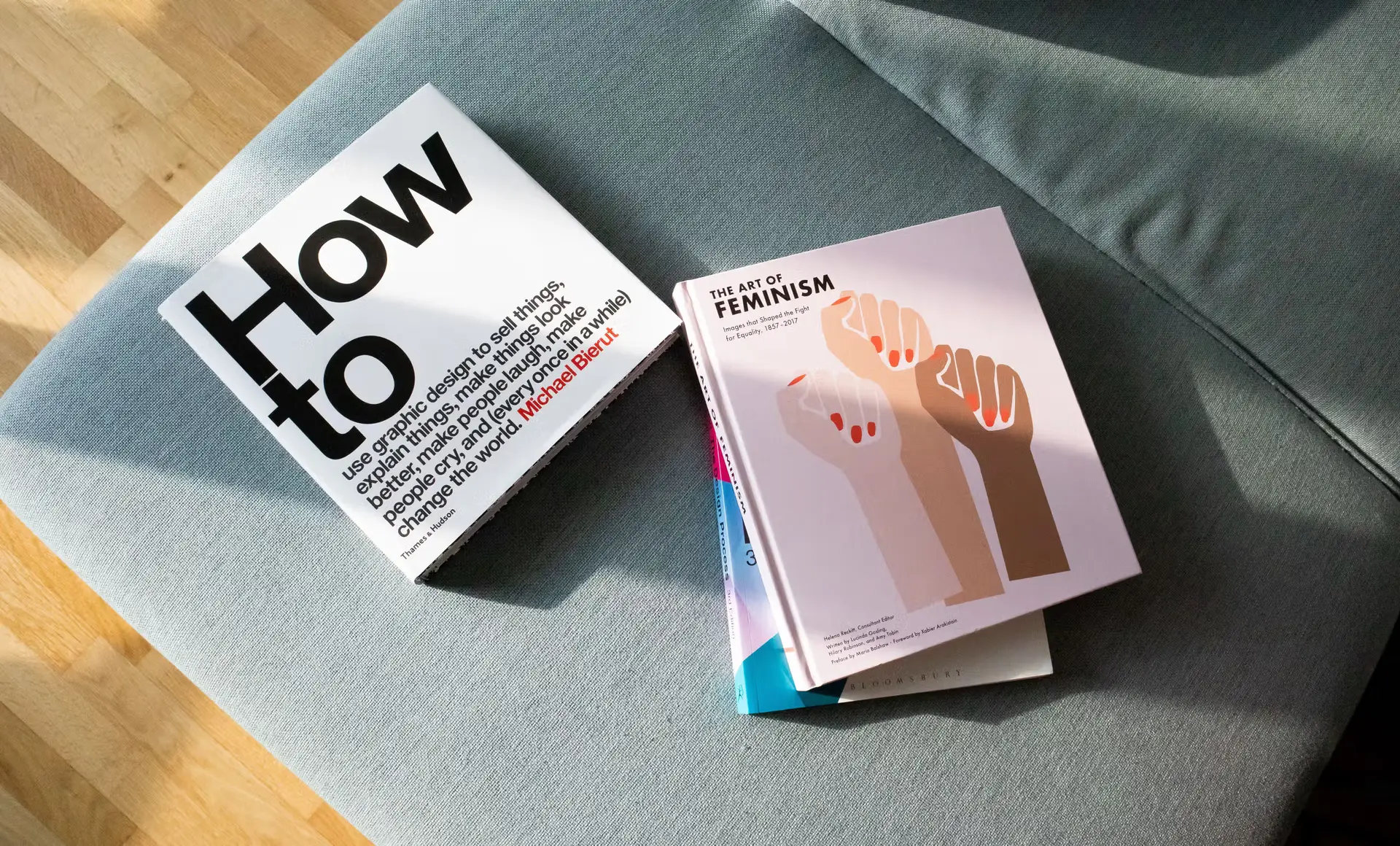
In the quiet Swiss municipality of Uster, local authorities have turned to an unexpected tool for primary school placements: mathematical algorithms. For the past two years, the town has been feeding anonymized neighborhood tax data into a software system to ensure six-year-olds are distributed across classrooms with precise social and linguistic symmetry.
The mechanics sound deceptively simple. Developed by Oliver Dlabac, founder of the research firm Ville Juste, the tool analyzes street-level financial metrics to estimate the density of disadvantaged households. The goal is to avoid the dreaded tipping point identified by educational researchers, who argue that when 30 to 40 percent of a classroom consists of multiply disadvantaged children, academic performance suffers across the entire cohort.
The municipal response to this digital social engineering has been predictable. Well-educated, affluent parents frequently raise objections, worried that their children will be assigned to distant schoolhouses in the name of demographic balance. School board president Patricia Bernet insists these anxieties are unfounded, maintaining that short and safe school routes continue to have top priority before algorithmic mixing takes effect.
Yet the initiative, now spreading across several German-speaking cantons including Zurich, Lucerne, and St. Gallen, highlights a uniquely Swiss paradox. A prosperous society, comfortable in its economic stability and well-funded public systems, reflexively seeks administrative fixes for deep-seated social dynamics. Rather than confronting the underlying friction of integration, local authorities place their faith in spreadsheet sociology.
Whether an algorithm can truly orchestrate socio-economic harmony without frustrating engaged parents is doubtful. The system manages to make bureaucratically managed equality look cutting-edge, but crunching neighborhood tax rates only reorganizes the symptoms of demographic divergence. It stands as a polished, high-tech exercise in papering over uncomfortable realities.
Written by Thomas Nussbaumer thomas.nussbaumer@alpineweekly.com