Jun 23, 10:03 AM
State-Sponsored Buoyancy: Switzerland’s Battle Against Open Water
Despite a well-functioning state and excellent education, the Swiss continue to drown at a steady rate. The government’s solution is characteristically practical.
The Swiss summer is a predictable affair. As temperatures rise, citizens of this wealthy Alpine nation flock to their pristine lakes and rivers. It is a seasonal ritual in a country enjoying a remarkably comfortable standard of living. Yet beneath the shimmering surface lies a fatal blind spot. The Swiss, often comfortably naive about natural risks after decades of relying on a highly protective state, continue to drown at a steady rate.
According to the Water Safety Report 2026, published by the Swiss Council for Accident Prevention and the Swiss Lifesaving Society, an average of twenty-eight people die in swimming accidents annually. Ninety-three percent of these fatalities occur in open waters. For a nation boasting excellent education and meticulous civic planning, the statistics reveal a surprising vulnerability to poor judgment.
The demographics of the victims are telling. The vast majority are men. The report attributes this not to a higher frequency of swimming, but to a pronounced tendency toward risk-taking. Accidents also spike dramatically among fifteen-to-nineteen-year-olds once adult supervision vanishes.
More concerning is the shift at the other end of the age spectrum. The drowning rate for individuals over seventy has nearly doubled since the year 2000. Benefiting from an affluent society, older citizens are more active than ever. Unfortunately, this increased vitality often masks diminishing physical reserves against unpredictable currents.
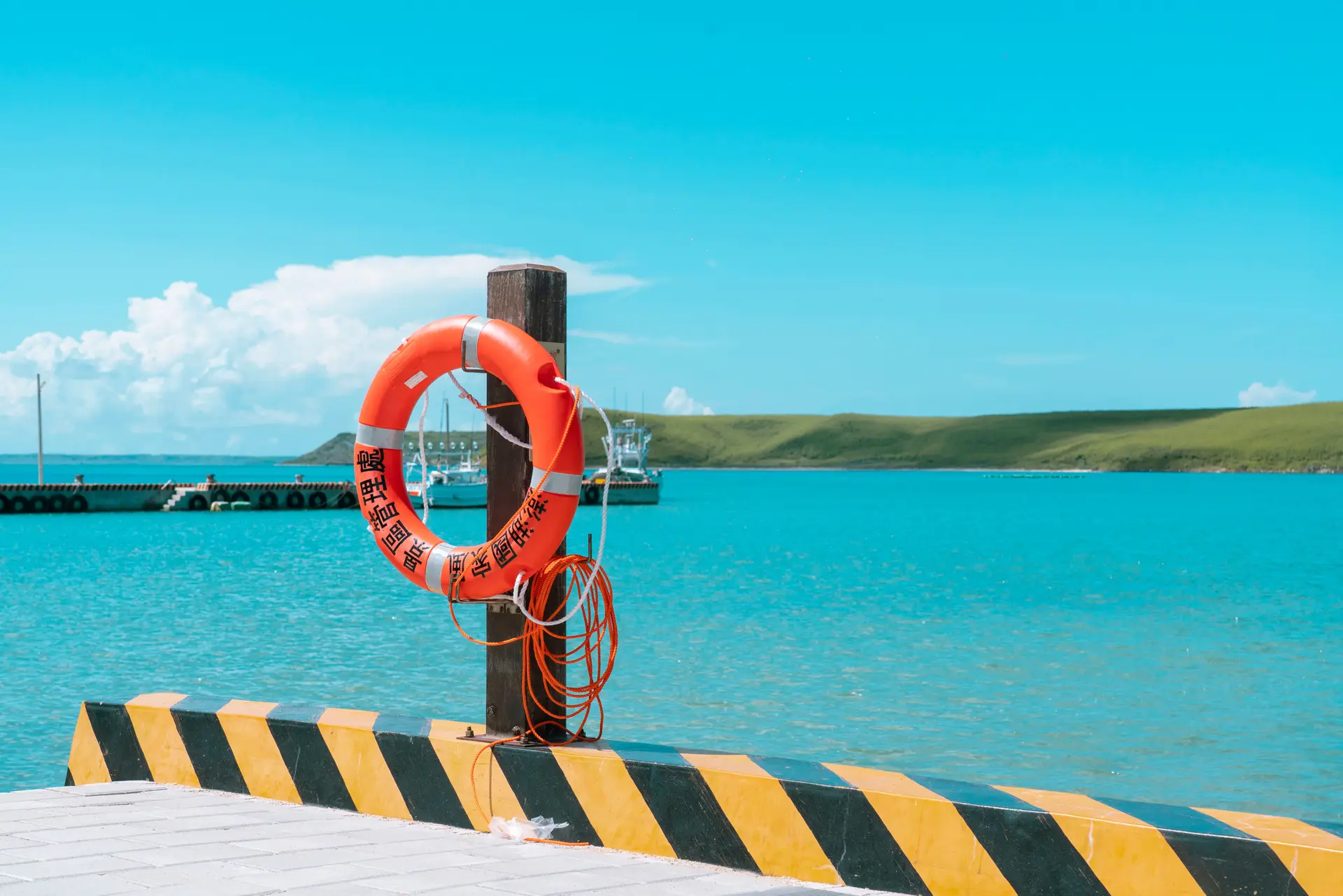
To combat this, authorities are pushing a simple solution: the swim buoy. Currently, nearly forty percent of river swimmers venture out without any flotation device. David Burkhardt, an advisor for the Swiss Council for Accident Prevention, points out that a buoy provides critical buoyancy during sudden cramps or unexpected shifts in currents. For river swimming, the agency recommends buoys equipped with a breakaway mechanism to prevent fatal entanglement in submerged branches.
The state's response is characteristically Swiss, blending practical infrastructure with a gentle paternalistic nudge. Across numerous baths, local authorities now offer these safety devices free of charge. At the Aarebad Muri in Bern, facility manager Andreas Rasch notes that bathers will patiently queue for up to twenty minutes just to secure a borrowed buoy before braving the water.
Switzerland’s national drowning rate remains low by global standards. However, the push for brightly colored safety gear highlights a broader cultural paradox. A nation that profits immensely from its comfortable political insularity occasionally forgets that raw nature does not negotiate. The orderly distribution of free flotation devices perfectly illustrates a well-functioning state system, quietly stepping in to protect a friendly, fundamentally cowardly populace that suddenly discovers a misplaced sense of bravery in the water.
Written by Martina Kirchner martina.kirchner@alpineweekly.com