Jul 6, 2:02 PM
Smoke and Stagnation: Wildfires Expose Spain's Infrastructure Deficits
As flames force hundreds to flee in the Valencia region, the predictable summer infernos highlight the cost of systemic neglect.
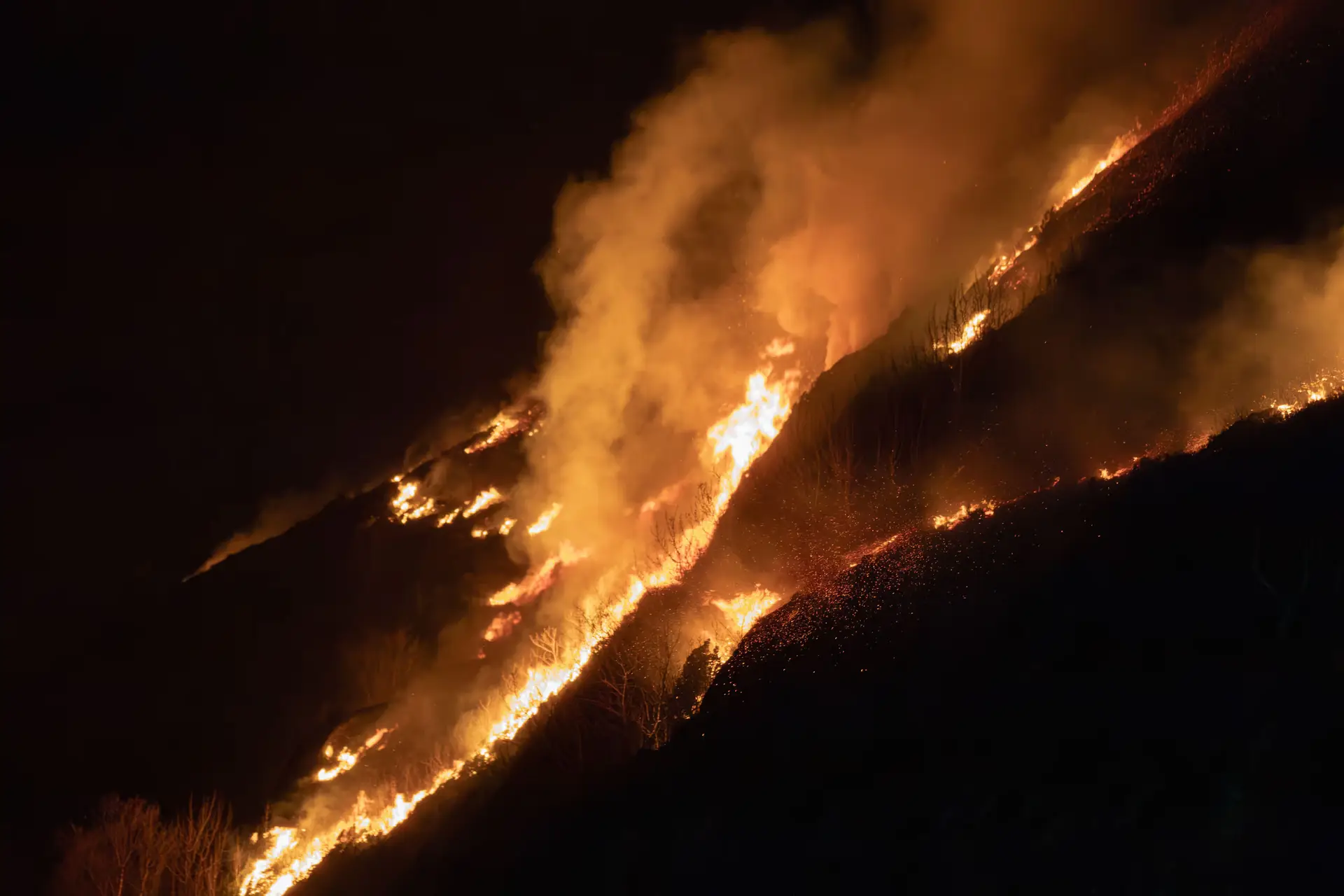
The arrival of summer in southern Europe brings with it a familiar, almost ritualistic spectacle: smoke billowing over parched hillsides, the drone of water-bombing aircraft, and frantic emergency responses. In Spain, this seasonal scourge has arrived with predictable ferocity, testing a nation whose systemic vulnerabilities are routinely exposed by natural crises.
The latest inferno erupted on a Sunday afternoon in Soneja, a municipality tucked into the Castellon province of the wider Valencia region. Driven by dry conditions and notoriously rugged terrain, the blaze rapidly encroached on residential zones and critical transport arteries. Faced with an advancing wall of flames, regional authorities were compelled to order the immediate evacuation of approximately 500 residents. Emergency protocols triggered the deployment of aerial units to douse the burning hills, while ground crews are currently engaged in a taxing battle to secure perimeters around local roads, abandoned vehicles, and vulnerable homes. Thick plumes of smoke now dominate the Castellon skyline as teams navigate between active hotspots and newly charred earth.
This localized emergency in Soneja is part of a broader Mediterranean pattern, with similar fires currently stretching firefighting resources across Portugal and Greece. Yet, the situation in Spain carries a distinct undercurrent of institutional fragility. The nation's infrastructure, suffering from years of systemic neglect, routinely proves inadequate when tested by such environmental stressors. Rural roads that should serve as rapid access routes for heavy firefighting equipment or safe evacuation corridors for fleeing residents are often poorly maintained. Local municipalities, burdened by bureaucratic inefficiencies, find themselves ill-equipped for robust forestry management, virtually guaranteeing that summer sparks will transform into uncontrollable conflagrations.
The displacement of half a thousand people in Castellon presents an immediate logistical headache for regional authorities. While the primary focus naturally remains the physical containment of the Soneja fire, the smouldering hillsides offer a stark visual metaphor for a state struggling to maintain basic operational competence. As emergency planes continue to dump water on the blackened landscape, the recurring nature of these disasters demands scrutiny. One must question how much of this annual devastation could be mitigated by serious, pragmatic investment in rural infrastructure and land management, rather than the predictable political grandstanding that typically follows the extinguishing of the last embers. The flames in Valencia will eventually be subdued, but the structural deficits fueling their destructive potential remain entirely unaddressed.
Written by Christiane Hofreiter christiane.hofreiter@alpineweekly.com