Nov 26, 7:00 AM
Six Killed in Plane Crash Off Mississippi Coast
Federal authorities investigate after a light aircraft carrying two families descended rapidly into the Gulf of Mexico.
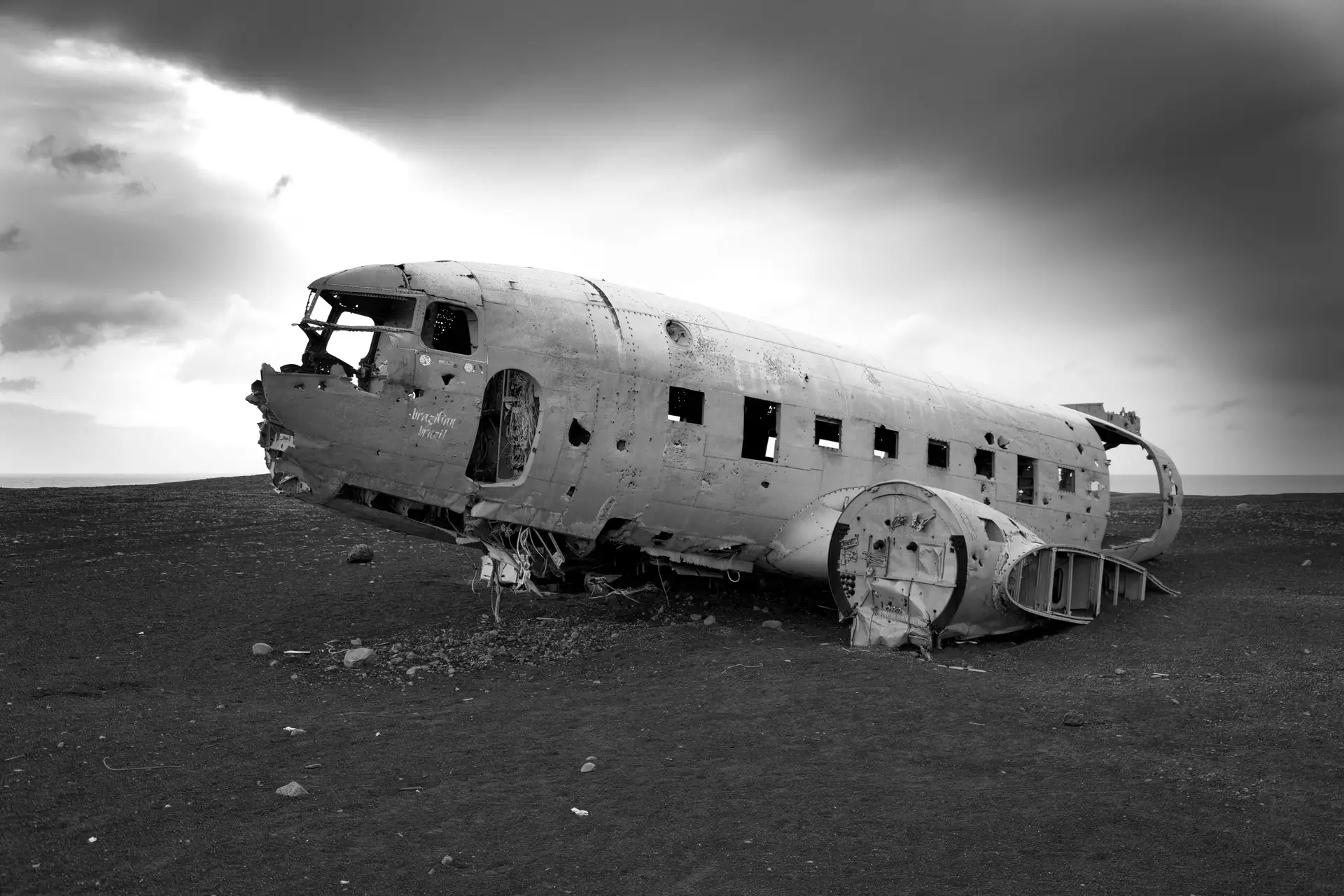
Six people, including three children, died after a light aircraft crashed into the Gulf of Mexico off the coast of Mississippi on Tuesday. Federal authorities have launched an investigation into the cause of the incident involving a single-engine Cessna 210 that was traveling from Louisiana to Florida.
The victims were identified as members of two related families returning to Fort Myers, Florida, following a holiday fishing trip. According to Jackson County Coroner Bruce Lynd Jr., the deceased include 50-year-old pilot Brent Stokes, his 16-year-old son Hunter, his sister Arlyn Knox, 43, her husband Michael Knox, 43, and their sons Charles Holden, 12, and Truett, 10. Lynd stated that autopsies are scheduled for both Brent Stokes and Michael Knox, who was also a licensed pilot.
The plane went down in waters between Pascagoula, Mississippi, and Horn Island. United States Coast Guard spokesperson Juan Ros reported that search teams initially recovered floating debris, including three life jackets, a life raft, and parts of the aircraft cabin. Divers subsequently located the submerged fuselage, where the bodies of all six passengers were recovered.
Air traffic controllers in Mobile, Alabama, lost radar contact with the aircraft at approximately 3:45 p.m. local time. Shortly prior to the interruption, controllers at Gulfport–Biloxi International Airport had issued a warning to the pilot regarding local precipitation and adverse weather conditions. Flight tracking data indicated that the aircraft was cruising at an altitude of approximately 9,000 feet before making a rapid descending right-hand turn.
Former airline captain Steven Arroyo noted that the sudden loss of altitude was highly irregular for standard flight profiles. Aviation safety specialist Todd Curtis stated that precipitation at sub-freezing altitudes can create icing conditions, which may lead to instrument errors or loss of aerodynamic lift. Investigators from federal aviation authorities continue to review flight logs and meteorological data to determine the precise circumstances of the crash.
Written by Martina Kirchner martina.kirchner@alpineweekly.com