Nov 23, 11:01 AM
Report Details Widespread Environmental Damage Across Gaza
Joint study by Oxfam and environmental researchers estimates long-term recovery costs at 71.4 billion dollars.
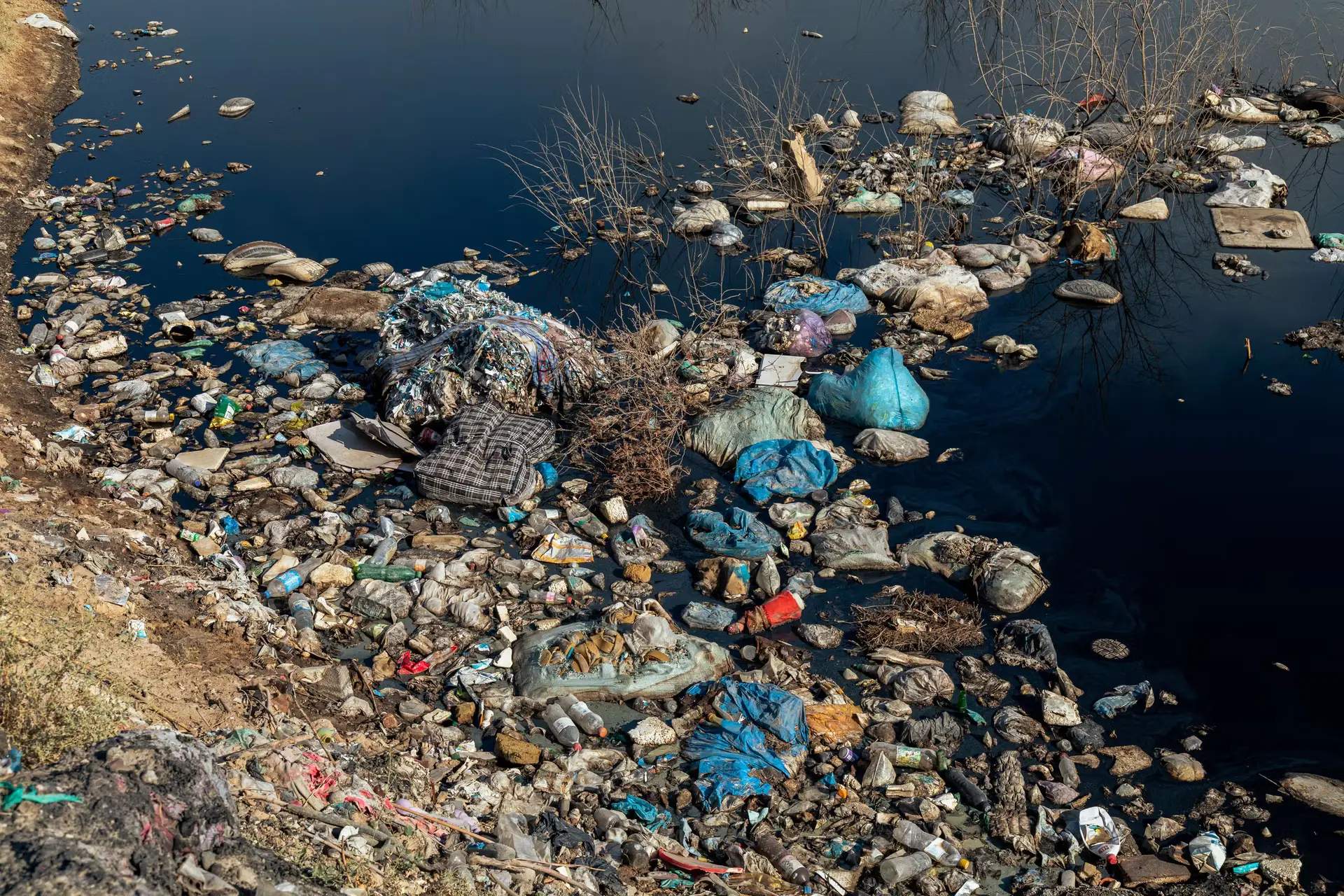
Military operations in the Gaza Strip have resulted in environmental contamination affecting more than 99 percent of the territory, according to a joint study by Oxfam and the Conflict and Environment Observatory. The report documents extensive damage to infrastructure, agricultural land, and essential utilities across the enclave of 2.3 million residents.
Ground operations affected approximately 283 square kilometres of Gaza's total 365 square kilometres by October 2025, according to Oxfam's mapping. Data from the United Nations Environment Programme indicates that combat operations since October 2023 have produced roughly 61 million tonnes of rubble, equivalent to 29 tonnes per resident. Oxfam estimates that removing the debris would require approximately 2.1 million dump truck journeys.
Water and sanitation infrastructure suffered severe disruption during the conflict. The Palestinian Water Authority reported that Gaza's daily water supply fell by 84 percent between October 2023 and June 2024, reaching 54,747 cubic metres per day. Although emergency repairs increased daily supply to 130,315 cubic metres by April 2026, volume remained 61 percent below pre-conflict levels. The report also notes that all six wastewater treatment facilities were destroyed by April 2024, discharging an estimated 40,000 cubic metres of untreated sewage into the Mediterranean Sea each day.
The destruction of agricultural assets has further impacted food supply. By late 2025, more than 87 percent of cropland had been damaged, with only 3 percent remaining accessible and intact. Assessments cited in the report record the uprooting of over one million olive trees, the loss of 95 percent of livestock cattle, and a major reduction in fishing yields.
The economic and health impacts documented in the report are widespread. In January and February 2026, health authorities recorded more than 1.9 million cases of acute respiratory infections and tens of thousands of cases of acute watery diarrhoea. A joint assessment by the World Bank, the European Union, and the United Nations estimated direct physical damage at 35.2 billion dollars and projected overall reconstruction costs at 71.4 billion dollars over a ten-year period. Oxfam proposed a five-stage strategy focused on site screening, risk mitigation, hazardous waste management, and environmental monitoring to guide eventual recovery efforts.
Written by Andreas Hofer andreas.hofer@alpineweekly.com