Jun 22, 10:02 AM
Regulating the Sky: How Swiss Bureaucracy Threatens Alpine Heritage
Central Switzerland's historic small cable cars are battling a uniquely modern enemy: the relentless tightening of safety mandates.
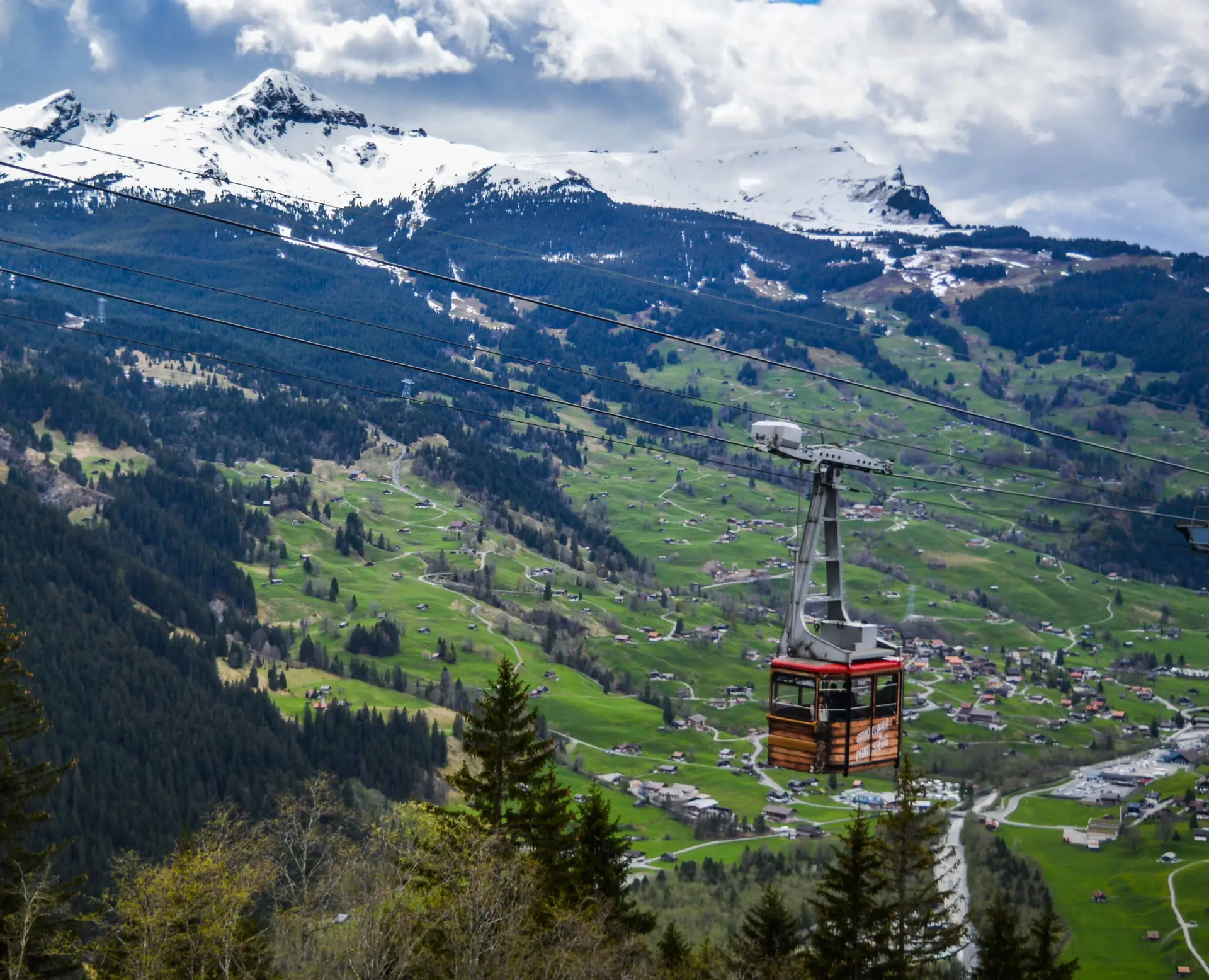
Switzerland is a nation that prides itself on precision, wealth, and an immensely efficient, if sometimes suffocating, state apparatus. Yet, high above the pristine valleys of Central Switzerland, a rather less polished piece of infrastructure is dangling by a thread. The country's network of rustic cable cars—often little more than wooden boxes suspended on aging steel cables—is facing an existential crisis. Driven to the brink by the very safety regulations that characterize modern Swiss governance, these historical oddities are now the subject of desperate preservation efforts.
Since August 2023, these small cable cars have occupied a spot on the national inventory of living traditions. The designation is romantic, but the reality is stark. Of the roughly 250 such installations operating with cantonal approval across the country, about half are accessible to the public. They are not mere tourist attractions; an estimated twenty percent of the alpine terrain relies entirely on these modest contraptions for access. Yet, half of these operators are currently staring down severe financial difficulties.
The problem is a clash between nostalgic pragmatism and contemporary compliance. Decades ago, these systems were erected by mountain farmers as vital transport links. Some of the oldest, dating back over a century, were initially driven by water power—a method still utilized for pure freight transport today. The Selunbahn in the Toggenburg region, essentially an open wooden crate that rattles its way up the mountain, and the so-called Dallenwiler Schiffli, where the cabin tilts precariously with the angle of the rope, offer a stark contrast to the heated gondolas of the major ski resorts.
However, operating a century-old wooden box on a wire in a highly regulated, risk-averse society is an expensive endeavor. Mechanical components are reaching the end of their lifespans, and sourcing spare parts has become a logistical nightmare. More pressingly, the relentless tightening of safety mandates by authorities threatens to price these small operators out of existence. The Swiss state system is excellent at ensuring safety, but it is remarkably rigid when dealing with historical anomalies.
In a typically Swiss response to a structural crisis, the cantons of Uri, Obwalden, and Nidwalden have banded together to form an institutional solution to save the very things bureaucracy is threatening. They launched a cooperation platform named Obsi-Nidsi. The goal is to pool resources, market the rustic charm to tourists, and develop innovative, cost-effective control systems to make renovations viable.
André Wolfensberger, head of corporate development at Engelberg Tourismus, acts as a champion for the cause. He notes that these smaller operations offer a distinct advantage over their larger counterparts by discarding rigid timetables. Whoever wants to enjoy the sunset on the mountain simply picks up the receiver at the valley station, he explains. The strategy relies heavily on packaging these experiences, such as the Buiräbähnli-Safari, a multi-ride hiking route complete with overnight stays in traditional mountain huts.
Whether this well-intentioned cantonal intervention will be enough to shield these alpine relics from the compounding pressures of climate change, shifting leisure habits, and an unforgiving regulatory environment is highly debatable. Switzerland is wealthy enough to subsidize its heritage indefinitely. The real test is whether the state can curb its own appetite for micro-management before it regulates these charming anachronisms entirely out of the sky.
Written by Sandy van Dongen sandy.vandongen@alpineweekly.com