
Oct 23, 8:01 PM
Paperwork Without Enforcement: Nairobi’s Lethal Construction Blindspot
A predictable collapse in Kenya’s capital exposes the fatal gap between official permits and public safety.
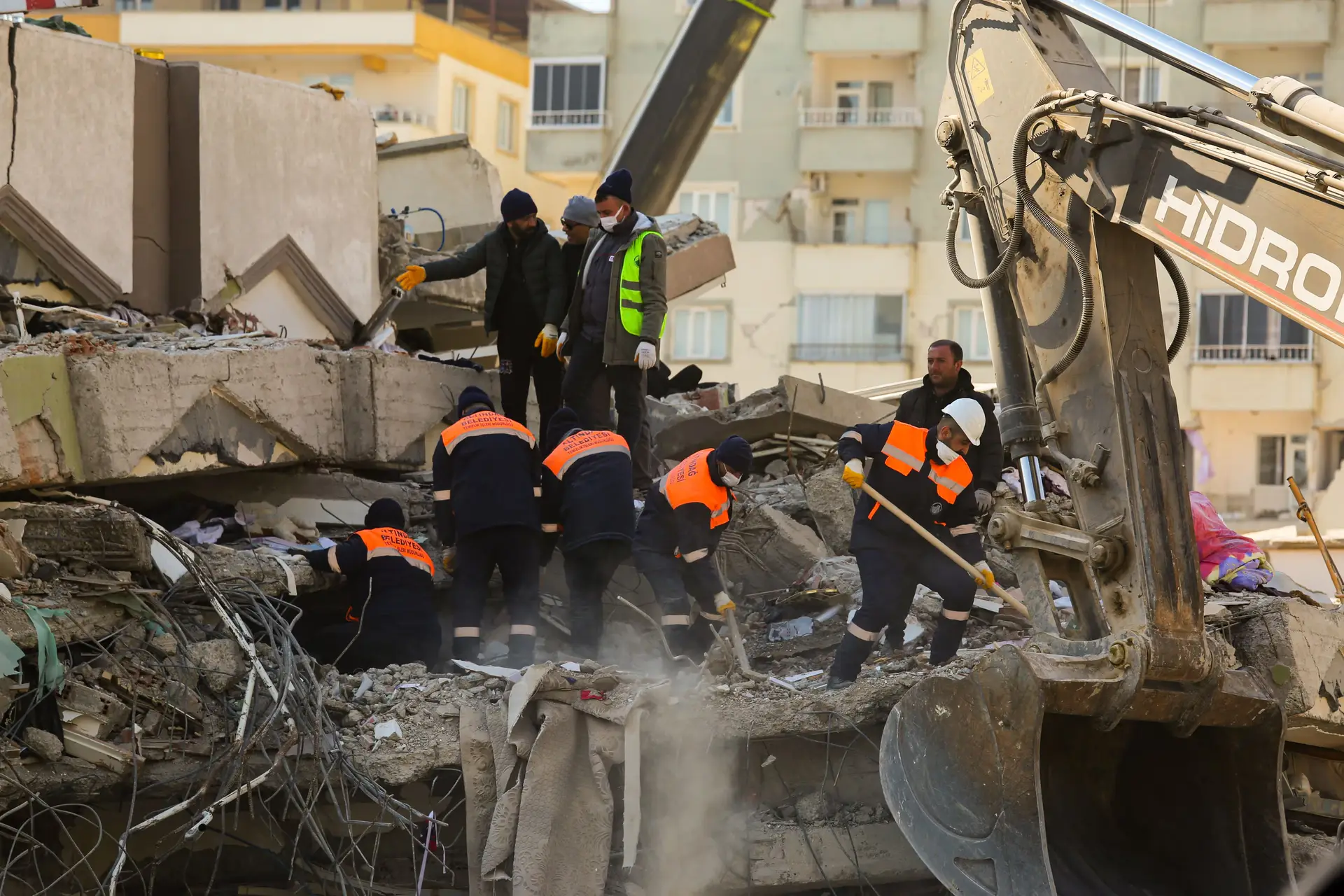
In Nairobi's bustling commercial district of Eastleigh, the line between an active construction site and a functional shopping center was treated as a minor technicality. That delusion ended abruptly on Friday when a multi-storey building collapsed into a massive heap of concrete and steel, trapping an unknown number of victims beneath the rubble.
The dynamics of the disaster illustrate a chronic institutional failure. While developers were actively adding more than ten upper floors to the structure, the ground floor was already fully operational, housing a butchery, a grocery, and an electronics shop. Nairobi Governor Johnson Sakaja confirmed that while the project possessed valid construction approvals, it entirely lacked a certificate of occupation. The premise was running illegally, yet business carried on in plain sight until gravity intervened.
The immediate aftermath was as chaotic as the regulatory environment that permitted it. Emergency personnel found themselves prying through heavy rubble using rudimentary poles cut from tree branches, as heavy rescue machinery was slow to reach the scene. Nearby, police resorted to firing tear gas to disperse crowds after immediate looting erupted. For the relatives gathering around a hastily erected reporting tent, early telephone calls from trapped family members soon gave way to total silence. Officials warned that a secondary collapse remained a distinct threat because the wreckage was leaning heavily against an adjacent building.
When public oversight is reduced to procedural rubber-stamping without enforcement, physical collapse is a logical consequence. According to Kenya’s National Building Inspectorate, an astounding 87 percent of buildings audited nationwide last year failed to meet safety standards or lacked proper approvals. State mechanisms remain proficient at generating paperwork and issuing permits, yet thoroughly incapable of enforcing the rules written on them.
In response to the collapse, political leadership offered predictable rhetoric. “Our concern is to save lives,” Sakaja declared while surveying the site, acknowledging that operating the lower levels illegally “has potentially cost lives.” The governor argued that local authorities require stronger enforcement mechanisms, describing current legal penalties for building violations as a mere slap on the wrist. Police officials have promised a full investigation to hold negligent parties accountable. Yet for a public navigating an urban environment where the vast majority of audited structures violate basic codes, such assurances offer little comfort.
Written by Sandy van Dongen sandy.vandongen@alpineweekly.com