Nov 9, 7:00 AM
New Delhi Air Quality Reaches Severe Levels After Diwali Celebrations
Firecracker emissions and seasonal smoke drive hazardous smog across the Indian capital.
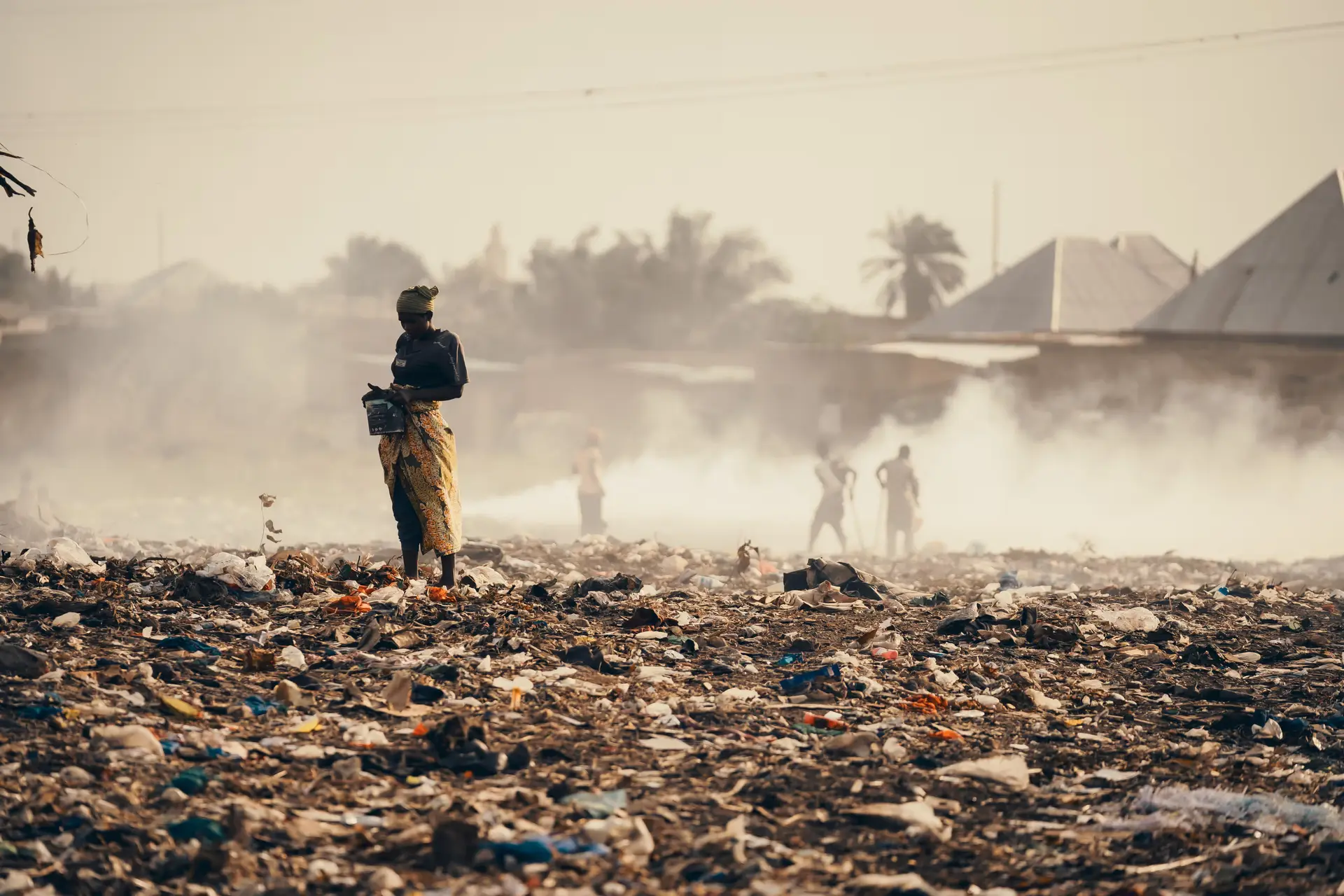
A thick layer of smog covered New Delhi on Monday after residents set off firecrackers during Diwali celebrations, pushing air pollution to severe levels across multiple districts of the Indian capital. Monitoring stations recorded Air Quality Index readings above 350 in several areas following the Sunday evening festivities.
The rise in airborne particulate matter occurred despite restrictions issued last month by the Supreme Court of India. The court had permitted only certified green firecrackers, which generate fewer emissions, and restricted their use to three-hour windows on Saturday and Sunday. Residents across the metropolitan area of 30 million people nevertheless ignited fireworks throughout the evening.
The post-festival smog followed elevated pollution levels recorded earlier in the week. Air monitoring data showed that toxic pollution in the capital had risen to more than 30 times the daily exposure threshold recommended by the World Health Organization in the days preceding the holiday.
New Delhi faces recurring air quality crises during the winter season as weather conditions compound local emission sources. Data from India's Ministry of Environment, Forest and Climate Change shows that motor vehicle traffic accounts for 23 percent of the capital's winter pollution, while biomass burning, including farm stubble fires, contributes 20 percent. Cool temperatures and low wind speeds trap these emissions near the ground, keeping haze over the capital.
Written by Andreas Hofer andreas.hofer@alpineweekly.com