
Nov 11, 5:01 AM
Italian Supreme Court Overturns Conviction of Swiss Industrialist Stephan Schmidheiny
The Court of Cassation orders a re-examination of asbestos death cases in Turin while declaring part of the charges time-barred.
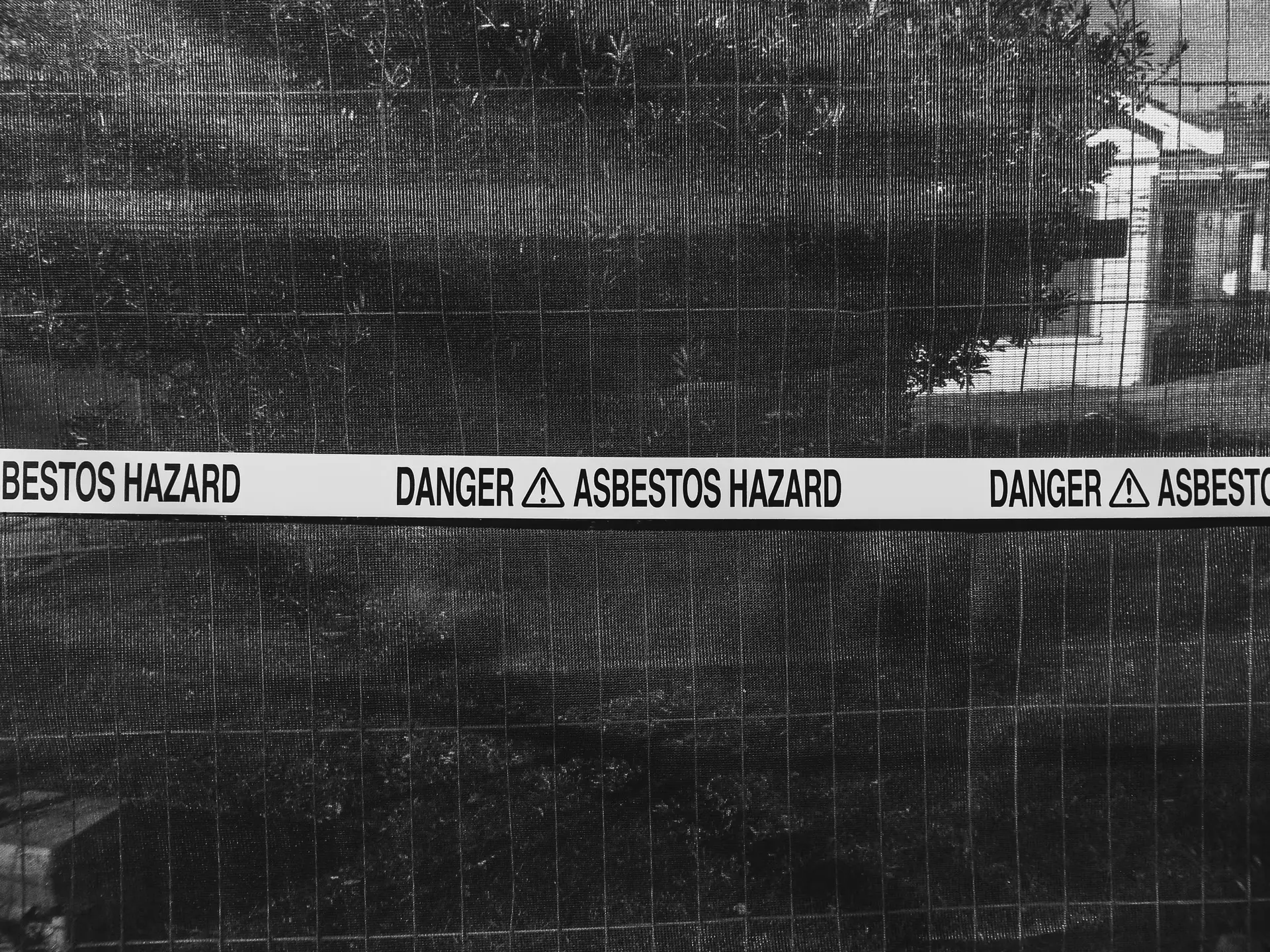
Italy’s Court of Cassation in Rome has overturned a nine-and-a-half-year prison sentence against Swiss industrialist Stephan Schmidheiny over asbestos-related deaths linked to a factory in Piedmont. The highest criminal court instructed a court of appeal in Turin to re-examine the case, which stems from decades of asbestos processing at an Eternit manufacturing plant.
Following five hours of deliberations, the judges ruled that around 60 cases of negligent homicide must undergo legal re-evaluation in Turin. For 25 additional cases included in the original conviction, the supreme court judges determined that the statute of limitations had expired.
The legal proceedings center on the period from 1976 to 1986, during which the 79-year-old businessman served at the head of the Swiss Eternit Group. Throughout the trials, the defense maintained that prosecutors had failed to establish a direct, individual causal link between Schmidheiny's management and the specific fatal illnesses of former workers and local residents. Asbestos exposure causes malignant cancers that frequently manifest decades after initial contact with the substance.
The written justification for the decision of the Court of Cassation is expected to be published within several weeks. Previous convictions against Schmidheiny involving Eternit operations in Naples and another site in Piedmont were likewise set aside by Italy's highest court due to insufficient proof of causality. Following the ruling, a spokesperson for Schmidheiny confirmed that the defense will continue to seek a complete acquittal during the renewed proceedings in Turin.
Representatives of the Association of Relatives of Asbestos Victims from Casale Monferrato, the location of the former Eternit factory, attended the announcement in Rome. Members of the association expressed disappointment regarding the decision, stating to reporters outside the courtroom that further delays would lead to additional cases reaching the statute of limitations before legal resolution.
Written by Sandy van Dongen sandy.vandongen@alpineweekly.com