Aug 9, 8:01 AM
Engineering the Alpine Stroll: Bernese Bureaucracy Takes on Climate Change
As rising temperatures threaten the comfort of summer hikes, the Swiss plan to meticulously redesign 10,000 kilometers of trails.
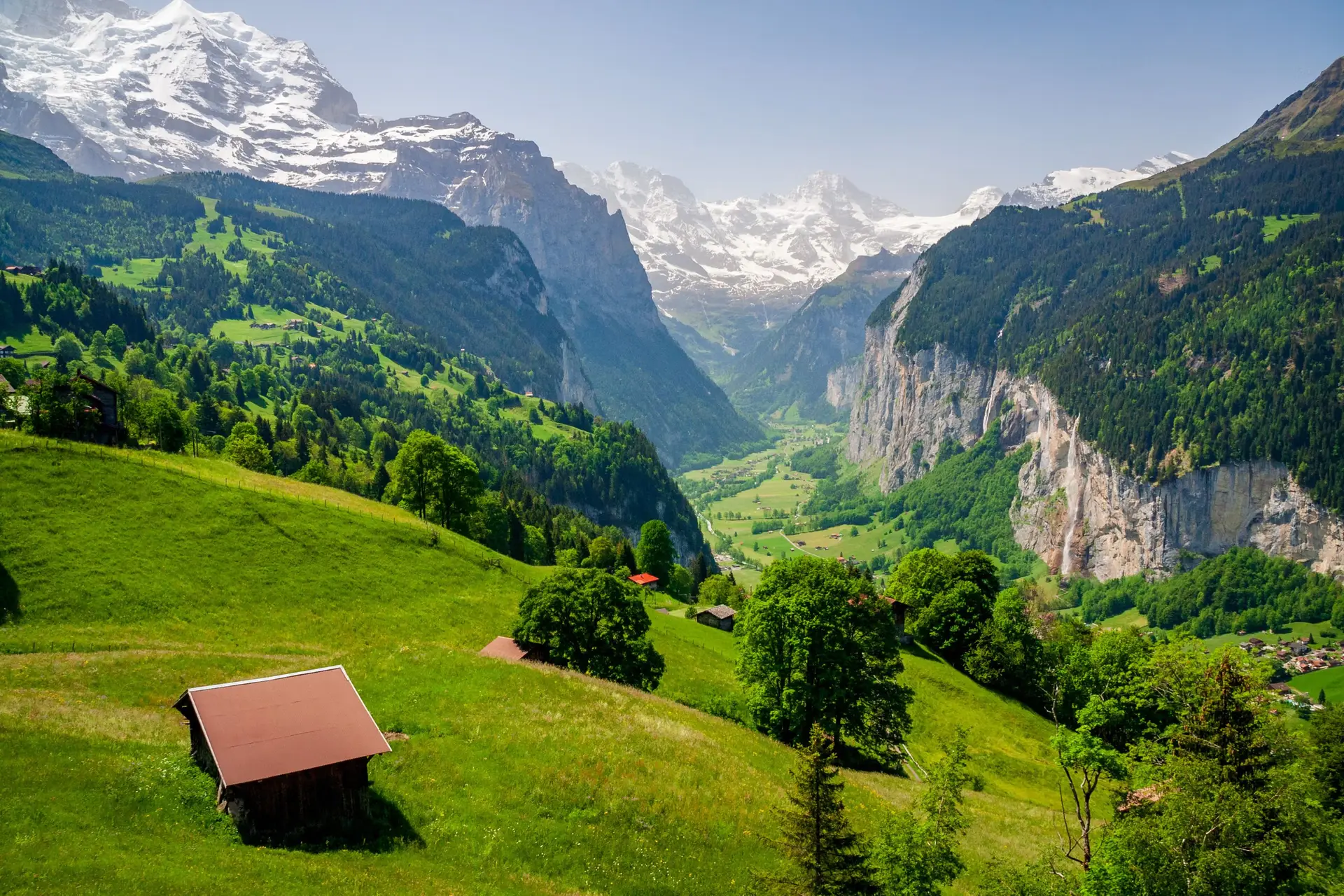
Global temperatures are rising, glaciers are receding, and the Swiss are responding with characteristic administrative comfort: by re-engineering their leisure activities. As heatwaves render the traditional afternoon stroll increasingly uncomfortable, the Bernese Hiking Trails association has announced a comprehensive plan to climate-proof its vast network of footpaths. The goal is to ensure that traversing the alpine nation remains a pleasant, meticulously managed experience, even as the environment transforms.
The canton of Bern shares the national record with Graubünden, boasting roughly 10,000 kilometers of hiking trails. Yet, much of this infrastructure was designed for a cooler era. High-altitude routes are becoming perilous, with melting glaciers increasing the risk of rockfalls. Meanwhile, the lower elevations present a different ordeal. The agricultural expanses of the Mittelland, such as the Grosses Moos, offer little respite from the sun, transforming summer walks into grueling endurance tests. The association’s managing director, Jerun Vils, has noted that hiking in these exposed, heavily farmed flatlands is currently far from enjoyable.
To prevent a scenario where citizens are forced to restrict their outdoor recreation to the early morning or late evening, an infrastructural offensive is being prepared. The proposed interventions read like a catalogue of premium landscaping. The association intends to artificially introduce shade and water sources along the sun-baked routes. The integration of new biotopes, rest areas, and even playgrounds is meant to provide hikers with necessary cooling stations. Where landscaping is insufficient, the paths themselves will simply be relocated to more hospitable terrain.
Naturally, in a wealthy country renowned for its thorough state system and rigid respect for property rights, moving a dirt path is no simple matter. The redesign of the Bernese trail network will require extensive coordination. Rerouting paths and building rest stops involves complex negotiations with municipal governments, cantonal authorities, private landowners, and agricultural interests. Considerations regarding forestry and nature conservation mean that this climatic adaptation will proceed at the measured, deliberate pace of Swiss administration.
Until the state machinery has successfully shaded the countryside, the official advice remains decidedly pragmatic. Hikers are encouraged to seek out the existing paths that naturally run through forests, gorges, or alongside rivers. As for the association’s leadership, the immediate strategy for coping with the heat involves retreating to the mountains. By avoiding popular tourist hotspots and selecting quieter alpine routes, officials demonstrate the ultimate luxury of a well-organized nation: quietly bypassing the problem altogether while the paperwork is filed.
Written by Sandy van Dongen sandy.vandongen@alpineweekly.com