Aug 26, 6:01 AM
East Asia’s Storm Season Delivers a Brutal Audit to Regional Infrastructure
Record floods in southern China and deadly deluges in Taiwan highlight the recurring costs of atmospheric disruption.
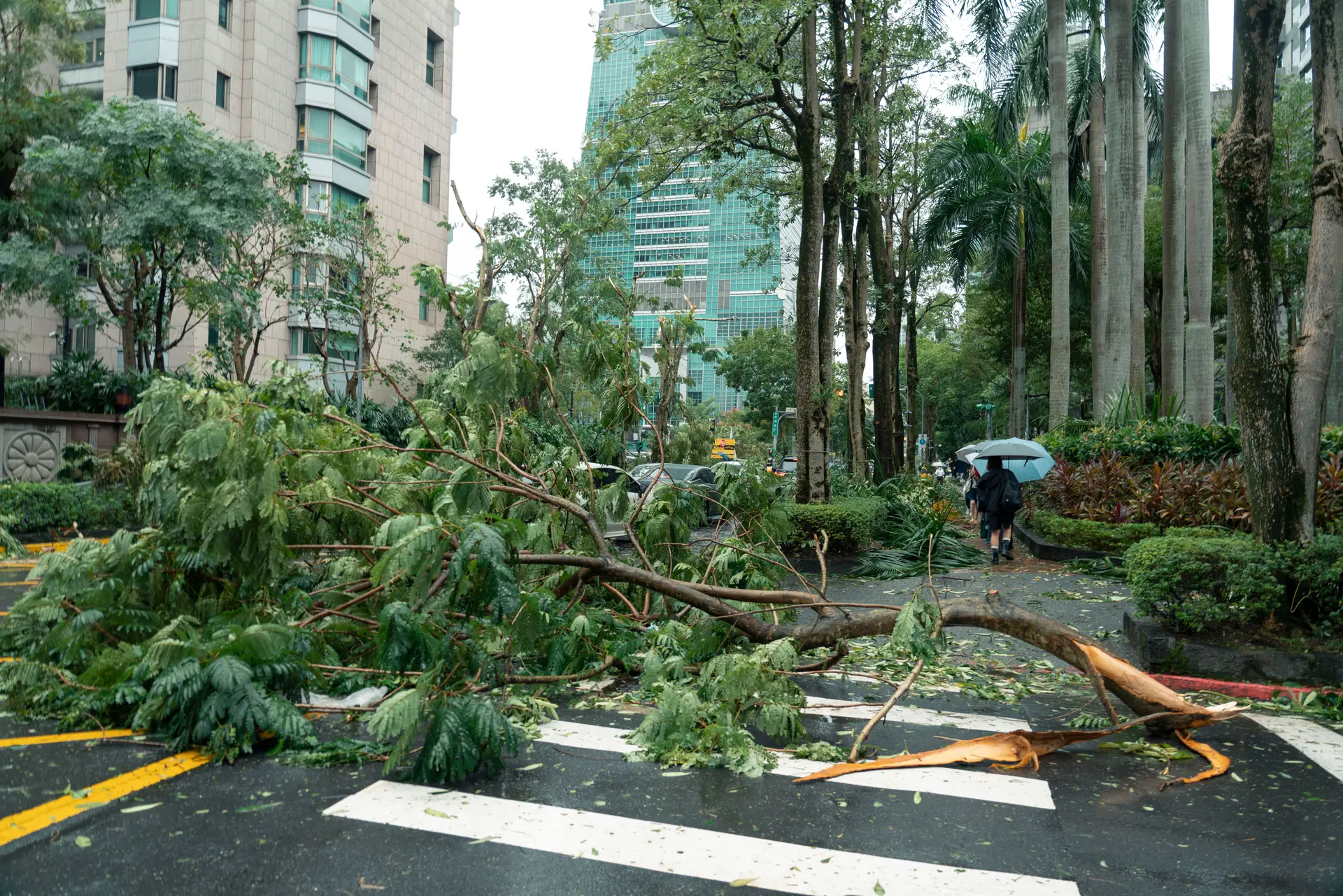
When seasonal weather systems collide in East Asia, the result is rarely a simple matter of rain gauges overflowing; it is a swift, uncompromising audit of municipal planning and regional infrastructure. The arrival of Typhoon Narra in southern China has provided the latest demonstration, bringing commercial activity to a sudden halt and forcing tens of thousands from their homes.
In China’s Guangxi region, famous for its limestone mountains, the city of Chongzuo saw floodwaters climb past historical records established in 2008. The deluge pushed rivers over their banks, submerging structures to their rooftops and entangling power lines in the torrent. In response, local authorities ordered an absolute suspension of business and tourist operations, instructing more than 15,000 residents to abandon high-risk zones. Across Guangxi, official reports confirm that over 54,000 individuals have been relocated as Narra lingered over the Beibu Gulf before crossing into Hainan. Torrential rains continue to threaten adjacent economic corridors, stretching from Guangdong and Fujian into neighboring Vietnam.
The atmospheric volatility is hardly confined to the mainland. Taiwan faces a dual exposure: as Typhoon Saudel approaches its northern maritime boundary, the island is already reeling from a separate tropical depression that inundated southern urban centers like Kaohsiung and Tainan. Over three days, Kaohsiung recorded nearly a metre of precipitation—a volume surpassing that of the infamous Typhoon Morakot in 2009. The consequences were immediate, leaving one person dead, four missing, and major municipal areas flooded.
Further north, Japanese forecasters in Okinawa have warned of destructive winds and dangerous seas as Saudel advances toward Taiwan and, eventually, the coast of Fujian. State authorities across the region are once again left managing the fallout of suspended commerce, disrupted transport, and emergency relief. Nature, it seems, has a habit of issuing structural assessments that no government bureaucracy can defer.
Written by Freya Stensrud freya.stensrud@alpineweekly.com