Jul 28, 2:02 PM
Earthquakes as Routine: Japan Absorbs a 7.1-Magnitude Tremor
A powerful quake off the coast of Kumamoto triggers brief panic and swift evacuations, highlighting the resilience of an economy built on precarious fault lines.
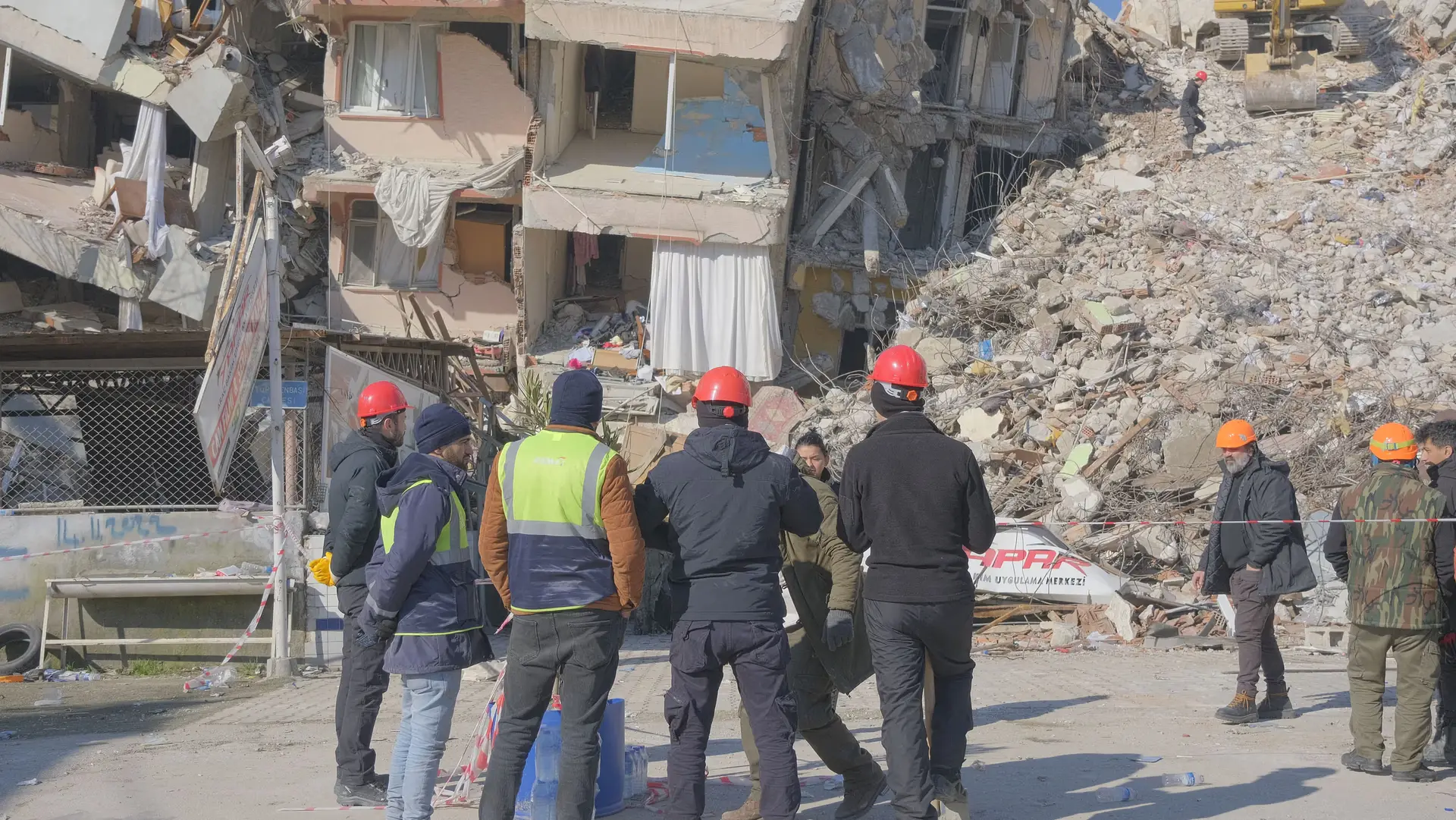
When the earth violently ruptures beneath the Japanese archipelago, the subsequent choreography of emergency response is an exercise in formidable precision. Late Tuesday afternoon, a 7.1-magnitude earthquake struck off the coast of Kumamoto prefecture in southern Japan. Emanating from a depth of merely ten kilometres on the seabed, the tremor immediately triggered a tsunami warning from the Japan Meteorological Agency. Yet, within hours, the alert was quietly retracted, leaving behind the familiar hum of a nation rapidly assessing its battered, though intact, infrastructure.
The immediate fallout across the island of Kyushu was disruptive but largely contained. Authorities rapidly instructed approximately 150,000 residents to seek refuge in designated seismic shelters. This sweeping evacuation order spanned multiple prefectures, including Nagasaki, Kagoshima, Fukuoka, Saga, Oita, and Miyazaki. While around 50 individuals required hospitalisation, early assessments indicated a striking absence of widespread structural devastation. Prime Minister Sanae Takaichi utilised the social media platform X to issue directives, urging citizens to avoid coastal areas while her government activated an emergency taskforce to coordinate potential rescue operations.
For an advanced economy highly dependent on seamless logistics, the temporary paralysis of infrastructure is an accepted, if costly, friction. At least 48,000 households found themselves abruptly disconnected from the power grid. Regional rail networks, alongside the vital Shinkansen bullet trains, were instantly halted—a standard, automated precaution designed to prevent mass casualties at high speeds. Crucially, the Nuclear Regulation Authority swiftly confirmed that three nuclear power plants situated near the epicentre reported zero operational irregularities. Maintaining the integrity of these energy assets is a non-negotiable priority for a country heavily reliant on stable power generation.
The sheer kinetic force of the Kumamoto quake was potent enough to send noticeable reverberations across the Korea Strait, reaching the south-eastern port city of Busan in South Korea. However, the relatively low human toll in Japan points to a brutal but effective historical learning curve. A decade prior, a catastrophic seismic event in the very same Kumamoto region claimed 275 lives, injured 2,739 people, and displaced a massive segment of the local population. Today, the swift transition from potential catastrophe to manageable disruption highlights the uncompromising necessity of stringent building codes and unyielding civic preparedness.
Written by Sandy van Dongen sandy.vandongen@alpineweekly.com