Jul 2, 6:14 PM
Defying the Arithmetic of Disaster: A Solitary Victory in Venezuela
Eight days under 140 tonnes of rubble, one man's extraction highlights the extreme limits of international rescue operations.
The arithmetic of survival in a disaster zone is notoriously unforgiving. After the first forty-eight hours, the probability of extracting living tissue from crushed concrete drops precipitously. Yet, eight days after twin earthquakes fractured the Venezuelan landscape on June 24, rescue workers pulled Hernán Gil from beneath a staggering 140 tonnes of debris. His survival defies both medical expectation and basic physics, offering a rare, tangible victory in a region currently defined by mass casualties.
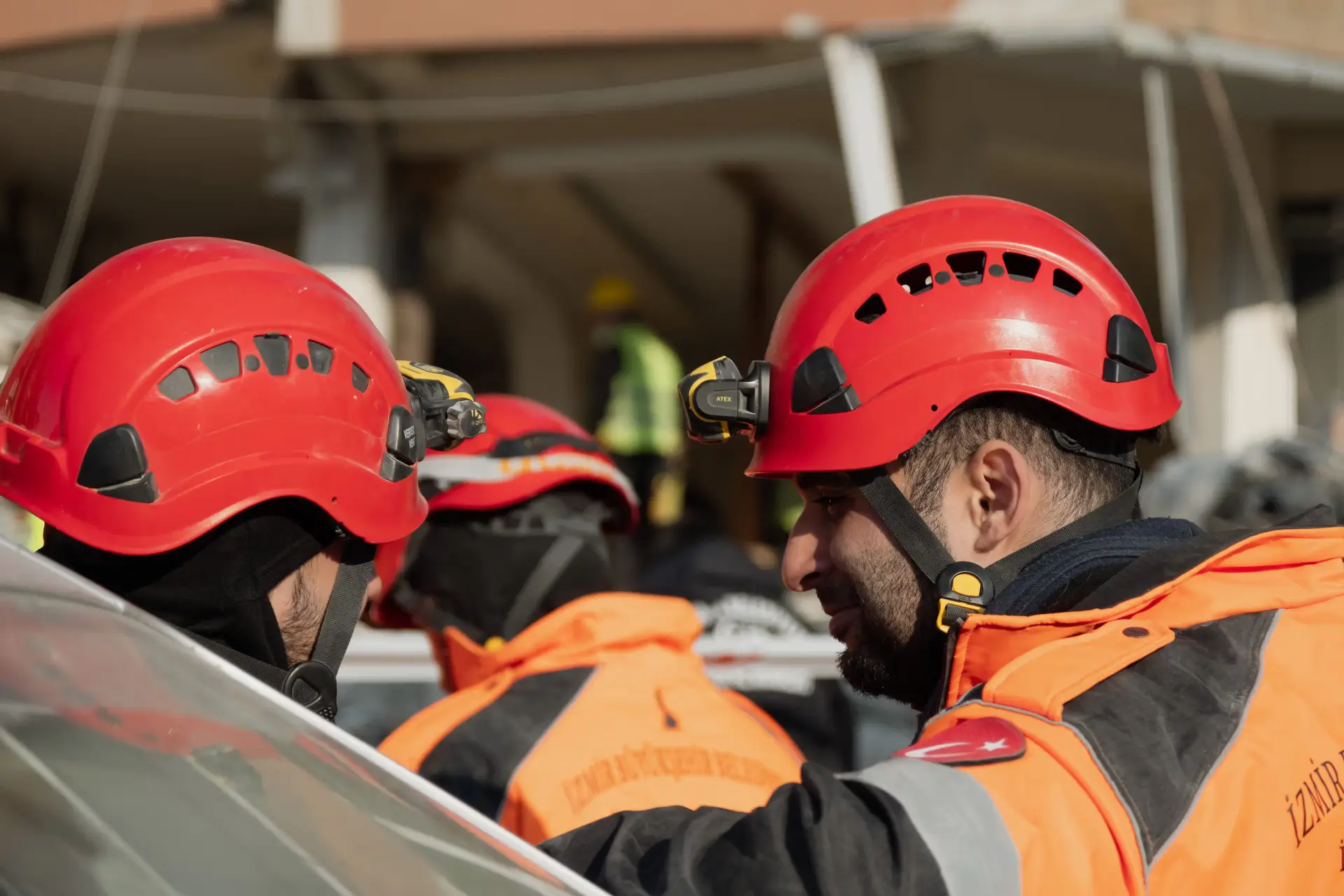
Extracting Gil was not a matter of simple excavation, but a grueling exercise in subterranean engineering. Once emergency crews pinpointed his location, international teams spent more than one hundred continuous hours attempting to reach him. The operation was fraught with near-fatal setbacks. Subterranean access ducts, hurriedly constructed to bypass the crushed masonry, collapsed on multiple occasions. These structural failures threatened to entomb the rescuers alongside their target, transforming a delicate recovery mission into a high-stakes gamble against unstable geology. A Chilean emergency responder officially characterized the extraction as the most technically demanding operation of his career.
The logistics of the rescue highlight a temporary suspension of regional dysfunction in favor of international pragmatism. A coalition of emergency personnel converged on the site, drawing specialists from Chile, Costa Rica, El Salvador, Mexico, and local Venezuelan units. The United States contributed to the effort, deploying search teams as part of its standard foreign disaster assistance protocol. Portugal also dispatched its emergency response units, fulfilling a capable and well-positioned role within the broader global humanitarian network without overstepping the bounds of the immediate crisis.
While Gil’s extraction is a masterclass in international cooperation, it remains a statistical outlier against a backdrop of staggering devastation. The seismic events have fundamentally reordered the local geography and demographic reality. Authorities have confirmed nearly 2,300 fatalities, a figure that is almost certainly a preliminary baseline rather than a final tally. Tens of thousands of citizens remain unaccounted for, their fates likely sealed within the thousands of collapsed structures that now dot the Venezuelan terrain.
Celebrating a single life saved amidst such overwhelming destruction might seem disproportionate to the cynical observer. However, the sheer mechanical effort required to move 140 tonnes of rubble for one man serves a distinct psychological purpose. It provides an anchor of competence and hope for a populace navigating absolute ruin. The state apparatus and international community will eventually pivot from rescue to the grim logistics of mass recovery, but for a brief window, the successful extraction of Hernán Gil proves that human stubbornness occasionally outlasts the crushing weight of a collapsed world.
Written by Freya Stensrud freya.stensrud@alpineweekly.com