
Jun 12, 2:04 PM
California's Tectonic Time Bomb Reaches a Millennium High
A new study reveals unprecedented stress levels along the San Andreas and San Jacinto faults, urging a reassessment of infrastructure readiness.
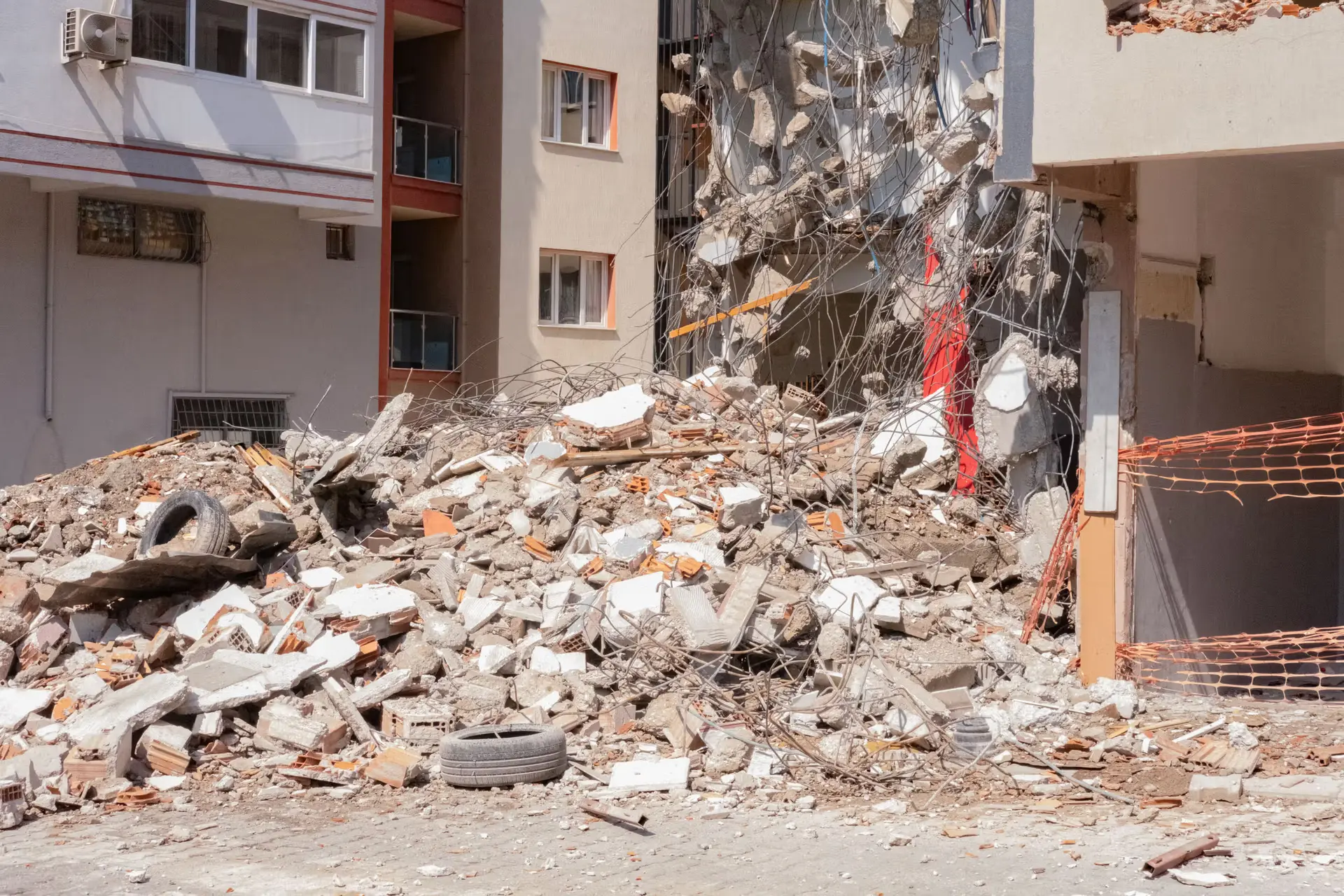
California has always excelled at exporting its anxieties, whether through cinematic disasters or bureaucratic overreach. Yet, underneath the sprawling suburbs of Los Angeles and the manicured lawns of the Coachella Valley lies a threat entirely immune to legislation. A recent study by the University of Hawai'i at Mānoa confirms what seismologists have long modeled: the tectonic stress accumulating along the San Andreas and San Jacinto fault systems has reached a millennium-high peak. The ground beneath the Golden State is holding its breath, and the eventual exhale will be decidedly unpleasant.
Published in the Journal of Geophysical Research: Solid Earth, the research relies on a computer model tracing a thousand years of seismic history. By feeding geological data—ranging from displaced sediments to tree-ring records—into their simulation, the scientists extrapolated historical stress accumulation into the present day. The results are sobering. In some segments, the pressure has not merely reached the highest levels seen in the last ten centuries, but has actively surpassed them.
The sheer physical reality of this pent-up energy strains the imagination. On the San Jacinto-Bernardino section alone, the stress has hit 3.6 megapascals. For those not fluent in geophysics, the researchers provided an unusually vivid analogy: it equals the pressure of stacking two blue whales on every single square meter of the fault line. Across the entire affected area, the fault is bearing the theoretical weight of over six billion blue whales. It is a staggering amount of kinetic energy waiting for an excuse to convert itself into motion.
The true wildcard in this geological standoff is Cajon Pass. This geographical chokepoint, where the two major fault systems intersect, typically acts as a gatekeeper. Sometimes it blocks a rupture from jumping between faults; occasionally, it lets the destruction pass through. The Hawai'i team concluded that under specific conditions, Cajon Pass could facilitate a simultaneous rupture of both the San Andreas and San Jacinto faults. Such a synchronized event would exponentially multiply the destructive force, threatening millions of residents across Los Angeles, San Bernardino, Riverside, and the Coachella Valley.
Naturally, the researchers concede that their sophisticated models cannot predict the actual date and time of the impending catastrophe. Earthquakes remain stubbornly resistant to scheduling. The true utility of this data, therefore, lies not in panic, but in rational economic and civic planning.
These findings provide a stark empirical basis for reassessing regional hazard models, updating building codes, and directing infrastructure investment where it is most desperately needed. The Hawai'i team also intends to export their modeling technique to other complex fault intersections globally. It offers a pragmatic lesson that while we cannot prevent the ground from splitting open, we can at least ensure our structures are engineered to survive the experience.
Written by Sandy van Dongen sandy.vandongen@alpineweekly.com