Aug 24, 4:03 PM
Biology Overrules the Bench: Sonya Massey's Killer Dies in Prison
Sean Grayson, the former Illinois police officer whose murder conviction sparked national outrage, has succumbed to colon cancer at 32.
The American criminal justice system excels at generating spectacle, but biology often insists on a more mundane conclusion. Sean Grayson, the former Illinois police officer whose fatal shooting of Sonya Massey in 2024 triggered nationwide protests, has died in state custody at the age of 32. Instead of serving out his twenty-year sentence for second-degree murder, Grayson succumbed to colon cancer, a disease he had been battling since before the infamous encounter.
Grayson’s passing on Sunday was confirmed by his legal counsel, Daniel Fultz. The Illinois Department of Corrections had recently rejected the former officer's application for early release on medical grounds. Thus, Grayson remained behind bars, a convicted felon whose rapidly deteriorating health ultimately outpaced the state's penal timeline. For a man who became a national symbol of law enforcement excess, his end was remarkably quiet, dictated by a diagnosis he received in 2023.
The incident that landed him in prison occurred during the Independence Day weekend of July 2024. Sonya Massey, a thirty-six-year-old black woman residing in Springfield, roughly two hundred miles south of Chicago, had contacted authorities to report a suspected burglar. What followed, captured entirely on police body cameras, remains a staggering display of escalated tension. An initially bizarre but seemingly harmless exchange over a pot of steaming water on Massey’s stove quickly deteriorated.
After Massey twice directed a religious rebuke at the officers, Grayson responded with extreme hostility. Using expletives, he threatened to shoot her in the face and drew his weapon, shouting demands for her to drop the cookware. Massey was heard apologizing and immediately ducked for cover, yet Grayson fired three rounds, striking her fatally in the face. His subsequent defence—that he feared being scalded by boiling water—failed to prevent a criminal conviction, though a jury opted for second-degree rather than first-degree murder.
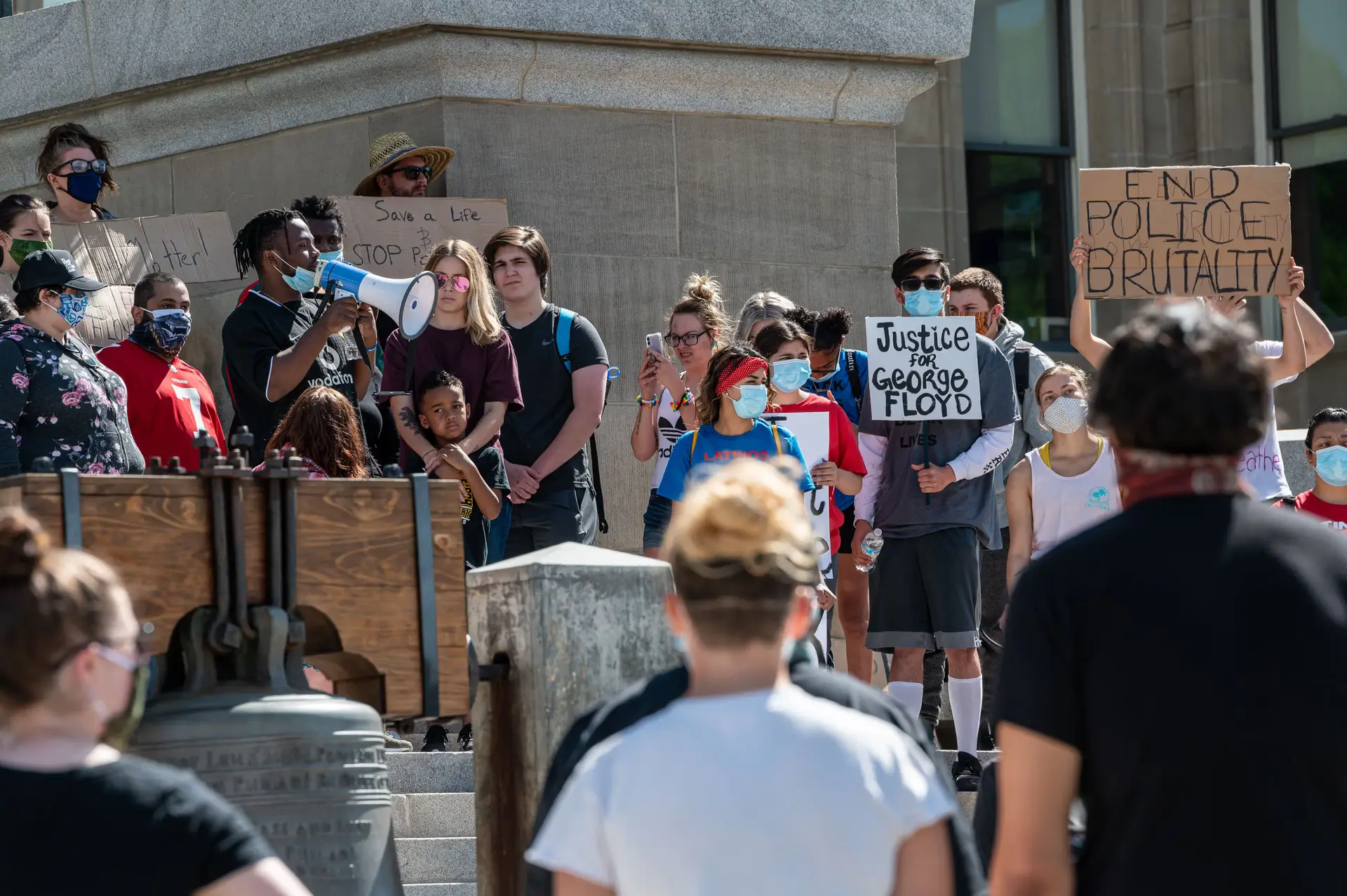
The killing of the unarmed woman in her own home predictably ignited the American political powder keg. Protests erupted across the United States, reigniting perennial debates surrounding police brutality and the use of lethal force. The case reached the highest echelons of federal politics, prompting then-President Joe Biden to publicly declare that Massey ought to be alive. Grayson was swiftly dismissed from the police force, stripped of his authority, and thrust into the centre of a cultural storm.
Now, the sudden death of the perpetrator closes the legal chapter of the saga, though it offers little in the way of profound resolution. Representatives for the Massey family issued a measured public response to the development. In an official statement, the family's legal counsel noted that "Grayson's death in custody from cancer does not bring Sonya back." They added that they wished peace upon his grieving relatives, pointing out that Massey's own family is intimately familiar with such enduring pain and will mourn her loss indefinitely. Ultimately, a case that dominated national headlines and sparked intense societal introspection ends not with a grand reckoning, but with the inevitable progression of a terminal illness.
Written by Freya Stensrud freya.stensrud@alpineweekly.com