Aug 9, 12:02 PM
A Predictable Thirst: Libreville’s Infrastructure Failure
Gabon’s capital is running dry, exposing the costly consequences of neglected public works and demographic pressure.
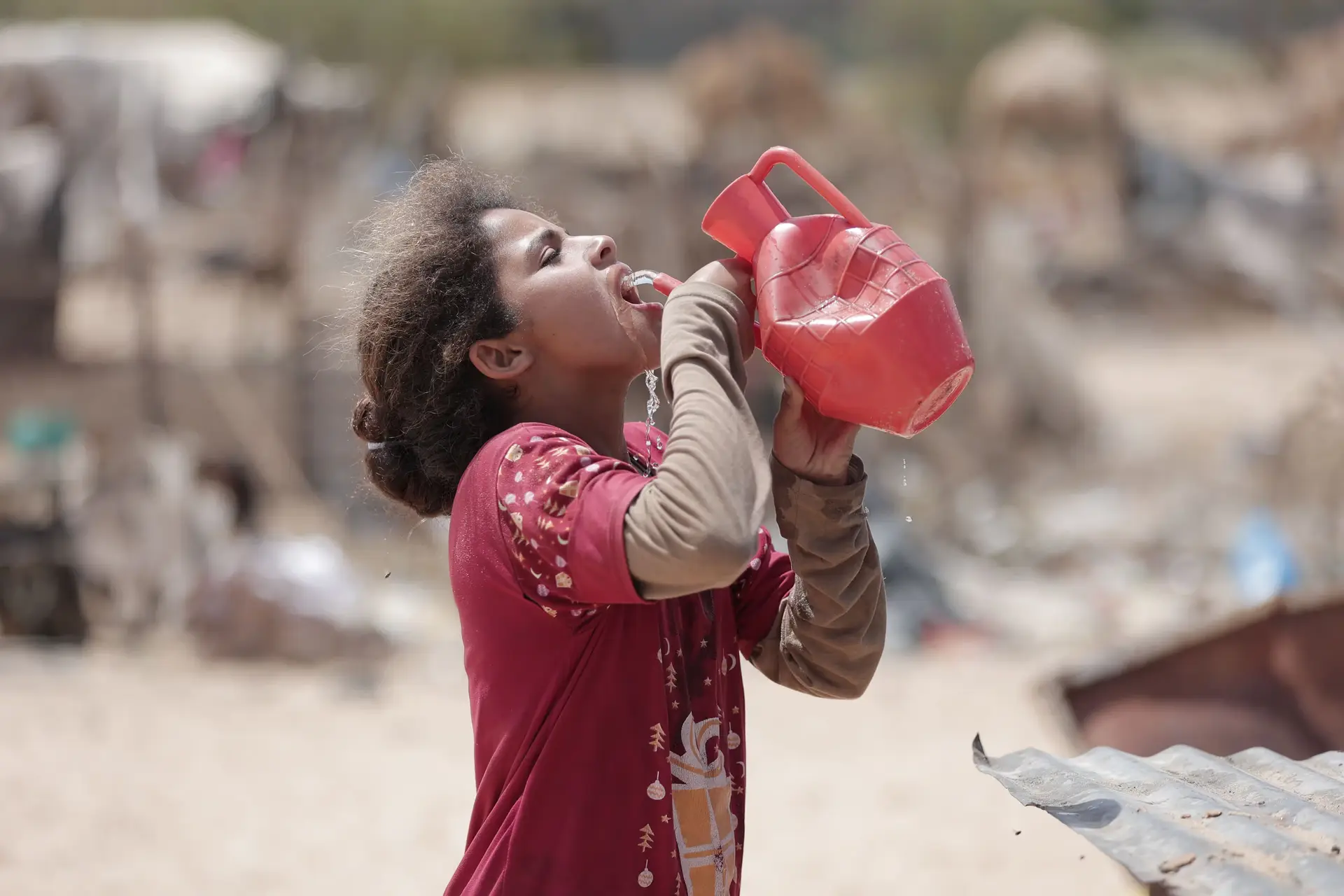
Water is theoretically abundant in equatorial Africa, yet the taps in Gabon’s capital have been running dry for several months. The residents of Libreville are currently enduring a severe and prolonged water shortage, a crisis that has fundamentally disrupted daily life and commerce. Predictably, the initial instinct of public officials in such scenarios is to look to the skies and blame the weather. Indeed, low rainfall has contributed to the current deficit. But treating this purely as a meteorological misfortune obscures the more chronic, man-made failures at the heart of the crisis.
Nature is merely the trigger; the underlying vulnerability was engineered over decades of neglect. Libreville’s water infrastructure is severely antiquated. Pipes, pumps, and treatment facilities that were originally designed for a much smaller, less demanding populace are now being pushed far beyond their operational limits. Maintenance has been chronically deferred, and capital investment has clearly failed to keep pace with economic and demographic reality.
Compounding the mechanical decay is the relentless arithmetic of urban migration. Libreville has experienced a steady surge in its population, bringing an inevitable, steep rise in demand for basic municipal services. When a growing urban center relies on static or deteriorating public works, the margin for error entirely vanishes. A dry spell that might have been a minor municipal inconvenience twenty years ago now triggers a systemic collapse.
The government has been forced to acknowledge the severity of the situation, issuing declarations to address the mounting public frustration. However, political decrees alone do not fill reservoirs, nor do they mend shattered pipes. Supplying water to a modern city is not a matter of waiting passively for rain. It requires rigorous planning, continuous capital expenditure, and utility management that reflects the true cost of resource extraction and delivery. When state-directed utilities fail to modernize, the eventual cost is paid by citizens forced to queue for basic necessities.
Libreville’s predicament is a stark illustration of what happens when critical infrastructure is treated as an afterthought rather than a foundational economic priority. Until there is a fundamental shift toward proactive investment and structurally sound management, the capital will remain entirely at the mercy of the clouds. The current shortage is less a natural disaster than a structural default, revealing the steep price of administrative complacency.
Written by Christiane Hofreiter christiane.hofreiter@alpineweekly.com